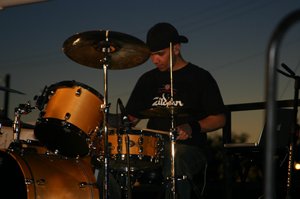
Level Up Your Playing—Starting from the Ground Up
Ask any pro drummer what their most underrated piece of gear is, and many will tell you: the drum throne. It’s not just a seat—it’s your foundation, your support system, and a critical piece of equipment that can either fuel your groove or ruin your gig.
- Improved Comfort and Posture: The right drum throne reduces back pain and improves posture for longer, pain-free practice sessions and performances.
- Enhanced Performance: Stability and height adjustability ensure better balance, faster footwork, and tighter control on stage or in the studio.
- Built to Last: A quality throne can take years of wear and tear, saving you money and hassle down the road.
In this guide, I’ll walk you through the best drum thrones available today—whether you’re a beginner building your first kit or a touring pro looking to upgrade your setup. We’ll also look at important features to consider and suggest a few trusted products used by drummers worldwide. Be sure to check out our guide on How to Play Drums for Beginners: Learn Easy Drum Basics if you’re setting up your first practice space.
Table of Contents
| What Makes a Great Drum Throne? | Adjustability and Comfort |
| Round vs. Saddle Seat | Top Drum Thrones of 2024 |
| Maintenance and Longevity | Conclusion |
| FAQs |
Suggested Products to help you #win at drumming:
- TAMA 1st Chair Ergo-Rider Drum Throne HT730 – A high-end throne offering serious ergonomic support, hybrid seat design, and rock-solid stability for long sessions.
- EastRock Adjustable Drum Throne – Affordable, lightweight option ideal for beginners or portable practice kits, with easy height adjustment.
- Donner Drum Throne Adjustable Height Seat – Budget-friendly with surprisingly sturdy build quality and thick padded seat for added comfort.
- Gibraltar 9608MB Drum Throne with Backrest – A favorite among gigging drummers for its wide seat and ergonomic back support—great for long sets.
What Makes a Great Drum Throne?
Your drum throne affects every part of your playing—from bass drum technique to posture to endurance. A poorly made throne can lead to back strain, sore legs, and sloppy timing. Meanwhile, the right throne makes everything feel effortless, like your body becomes one with the kit. Practicing healthy technique from the ground up is a key part of building good habits—many instructors even recommend warming up while seated to reinforce stable posture. Check out our 10 Powerful Drum Warm Ups to Boost Speed and Control to get started.
Here’s what to look for in a great throne:
- Adjustability: A reliable height adjustment system (post or spindle) lets you tune seat height to your leg length and playing style.
- Padded Support: High-density foam or memory foam padding keeps you comfortable through long rehearsals and gigs.
- Base Stability: Double-braced legs and rubber feet prevent wobbling and slippage.
- Seat Shape: Round seats are classic and compact, while saddle-style seats offer thigh support and ergonomic benefits.
Adjustability and Comfort
Let’s be real—drumming isn’t always kind to your back, especially if you’re practicing for hours. That’s why height adjustment and seat shape matter hugely.
Spindle-style thrones, like the TAMA 1st Chair Ergo-Rider, allow ultra-precise height adjustments. On the other hand, post-style models often use a bolt-tightening mechanism—functional but harder to fine-tune mid-rehearsal.
Backrests are another underrated upgrade. The Gibraltar 9608MB has gained a cult following because of its lumbar support, which helps reduce fatigue or back pain during long sets.
Round vs. Saddle Seat
Choosing between a round drum throne and a saddle-style one depends on your body type and playing style. Round thrones offer full freedom of movement—a plus for jazz drummers or those who pivot their hips more while playing. They’re also smaller, making them highly portable.
Saddle-style thrones, however, provide better weight distribution and tend to support better hip and spine alignment. For gigging metal or gospel drummers who demand endurance and solid core posture, this can be a game-changer.
If you’re on a tight budget, both the Donner Adjustable Drum Throne and the EastRock Adjustable Drum Throne offer solid entry points, letting you experiment with shape and height at a low cost without sacrificing comfort. And if you’re looking to sharpen your technique further, be sure to explore these Unlock Faster Hands: Best Drumming Speed Drills That Work.
Top Drum Thrones of 2024
| Model | Seat Type | Key Features | Best For |
|---|---|---|---|
| TAMA HT730 Ergo-Rider | Hybrid Round/Saddle | Ergonomic shape, spindle height adjust, sturdy base | Pro drummers and studio use |
| Gibraltar 9608MB | Saddle w/ Backrest | Memory foam, adjustable backrest, double-braced | Touring drummers |
| Donner Adjustable Throne | Round | Budget-friendly, lightweight, foldable | Beginners and students |
| EastRock Drum Throne | Round | Quick height adjust, anti-slip base | Compact setups |
Maintenance and Longevity
Taking care of your drum throne maximizes its lifespan and keeps you comfortable. Here’s how:
- Check Bolts Regularly: Loose connections not only squeak but can cause instability. Tighten monthly, especially if gigging.
- Keep It Dry: Sweat and spills degrade foam over time. Wipe your seat after practices, especially with fabric-covered models.
- Store Folded When Possible: If it’s collapsible, folding between gigs reduces wear on the legs and saves trunk space.
Even budget models like the EastRock Adjustable Drum Throne come with rubber feet and steel builds that hold up well—especially if you treat them with care.
Wrapping Up: Sit Right, Play Better
Your drum throne isn’t just a seat—it’s the root of everything you play. Investing in the right one pays off with less fatigue, better posture, and more precise playing. Start by identifying your playing needs (touring vs. practicing, back support needs, budget), and choose accordingly. And if you’re working on your overall kit setup, launch into the rest of your gear journey with our picks for Top 7 Drum Recording Interface Picks for Studio-Quality Sound.
Ready to upgrade your playing comfort and control? Try one of the recommended thrones above, or explore more gear tips and drumming advice by subscribing to our newsletter. Your next level of performance might just be one seat swap away.
FAQs
What is the best drum throne for beginners?
For beginner drummers, a budget-friendly and adjustable model like the Donner Adjustable Drum Throne or EastRock Adjustable Drum Throne is ideal. They offer decent padding, stability, and portability without breaking the bank.
Are drum thrones with backrests worth it?
Absolutely—especially for longer sessions or players with back issues. A model like the Gibraltar 9608MB provides critical lumbar support that can improve posture and reduce fatigue during extended jams or gigs.
How high should my drum throne be?
A good rule of thumb: your thighs should slope slightly downward when seated. Your knees should be just below your hips to facilitate ergonomic pedal control and prevent knee strain. Experiment with your height settings until your body feels relaxed and responsive.
What drum throne do professionals use?
Many pros use thrones like the TAMA HT730 Ergo-Rider for its comfort and reliability. Others prefer customizable models with memory foam and backrests. The exact model usually depends on playing style and personal preference.
Round vs. saddle drum throne: Which is better?
Round thrones offer freedom of movement, ideal for jazz or lighter foot styles. Saddle seats support better posture and are favored for heavier, high-energy playing. Try both if you can—comfort and ergonomics are highly personal.
How long should a drum throne last?
With proper maintenance, even budget thrones can last several years. High-quality models often survive a decade or longer, especially if built with memory or high-density foam and double-braced frames. Regular tightening and cleaning go a long way.
Can a drum throne help my foot speed?
Yes! A throne set at the correct height lets your legs move more freely and efficiently. If your current seat causes tension or imbalance, upgrading could unleash faster, more fluid bass drum technique.
Is portability important in a drum throne?
For gigging drummers, yes—lighter, collapsible models save trunk space and setup time. However, if you’re playing primarily at one location, comfort and stability take priority over portability.