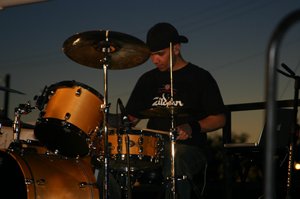
Find the Best Drumsticks for Marching Band Success
When it comes to marching band drumming, your choice of drumsticks isn’t just a preference—it’s a performance game-changer. A great pair of sticks can enhance your articulation, power, and endurance on the field, while the wrong pair can hold you back when it matters most.
- Boost Performance: The right marching sticks allow dynamic control, clarity, and projection in outdoor settings.
- Reduce Fatigue: Balanced weight and material help prevent wrist strain during long rehearsals and parades.
- Durability Matters: Marching environments are tough—quality sticks survive rimshots, weather, and intense practice schedules.
Whether you’re heading into band camp, training for DCI, or holding down a cadence in your high school snare line, choosing top-quality drumsticks is a smart investment in your craft. Let’s break down the best options out there, what makes them solid choices, and how to pick a pair that fits your style and skill level.
Table of Contents
| Marching Drumstick Basics | Key Features to Look For |
| Top Picks for Marching Band | Practice vs. Performance Sticks |
| Care and Maintenance Tips | Conclusion |
| FAQs |
Suggested Products to help you #win at drumming:
- Vic Firth Corpsmaster Signature Snare Drumsticks – Trusted by top DCI snare lines, these sticks offer heavy-duty durability and excellent rebound for advanced rudimental players.
- Promark Scott Johnson FireGrain Marching Snare Sticks – Heat-tempered hickory construction adds extra toughness while holding on to traditional feel and response.
- Innovative Percussion FS-PR2 Paul Rennick Marching Snare Sticks – Perfect for finesse drummers, these provide fast articulation and balance at any level.
- Innovative Percussion IP-1 General Purpose Marching Mallets – Ideal for pit percussionists and versatile players needing quality mallets for a range of instruments.
Marching Drumstick Basics
In the marching world, everything is amplified—volume, technique, endurance, and precision. That’s why marching drumsticks are built differently than standard kit sticks. They’re typically heavier, longer, and more robust to withstand the demands of outdoor performance settings and consistent high-impact playing. If you’re new to percussion, check out How to Play Drums for Beginners: Learn Easy Drum Basics for a great foundation.
Snare sticks and tenor mallets alike must cut through an open stadium or parade route, requiring excellent articulation and dynamic power.
Why Weight Matters
Heavier marching sticks enhance projection but can wear you out faster if not properly balanced. A little extra mass helps with volume and stick control, but too much can lead to muscle fatigue and sloppy technique. It’s about finding your sweet spot—especially during long rehearsals under the sun.
Material Choices
Most marching sticks are made of hickory or maple. Hickory is denser and absorbs shock better, making it great for aggressive players. Maple is lighter, offering faster response—but it’s less durable. Some new models, like the Scott Johnson FireGrain, are heat-treated to increase strength without sacrificing feel.
Key Features to Look For
With so many options on the market, how do you choose the best drumsticks for marching band? Here are the most important features to evaluate:
- Tip Shape: Round, oval, or acorn tips affect tone and articulation—match your sound goals.
- Taper: Longer tapers offer rebound and finesse, while short tapers give more power and weight forward.
- Length and Diameter: Longer sticks give reach and leverage; thicker handles add durability and comfort.
- Feel: Some drummers prefer dry, unfinished sticks; others like a lacquered feel—test what works for your grip.
Finding the right spec often comes down to personal preference and endurance. Try a few pairs to compare balance and feel through warmups and exercises before committing for the season. For focused warm-up inspiration, see 10 Powerful Drum Warm Ups to Boost Speed and Control.
Top Picks for Marching Band
After decades of playing, teaching clinics, and watching countless lines take the field, I’ve narrowed down my favorite marching sticks into a few categories. These options blend build quality, playability, and real performance feedback from the field.
| Model | Best For | Key Features |
|---|---|---|
| Vic Firth Corpsmaster | DCI & top-tier snarelines | Hickory build, balanced weight, high rimshot durability |
| Innovative Percussion FS-PR2 | Intermediate to advanced players | Fast rebound & bowling-pin taper for nuanced technique |
| Promark FireGrain Scott Johnson | All-around durability & feel | Heat-tempered hickory, designed in collaboration with the Blue Devils |
| Innovative IP-1 Mallets | Pit & front ensemble | Well-balanced mallets for marimba, vibes, and general mallet work |
Practice vs. Performance Sticks
If you’re serious about improving, you’ll want a separate set of sticks purely for practice pad work. These can be slightly heavier—built for stamina development and conditioning. Reserve your show sticks for rehearsals and live performances where tone and control matter most.
Strong players often rotate multiple pairs depending on rehearsal intensity, temperature, or field demands. That allows you to extend stick life and maintain consistent feel across different scenarios. For some excellent exercises to step up your control and speed, try Unlock Faster Hands: Best Drumming Speed Drills That Work.
Care and Maintenance Tips
Drumsticks wear down over time. Here’s how to get the most out of your investment:
- Rotate your sticks: Don’t always use the same end for rimshots—it causes uneven wear.
- Store them properly: Avoid humid or hot areas like car trunks in Marching Season.
- Check for warping: Roll sticks on a flat surface to see if they spin cleanly—replace if they wobble.
Pro Tip: Always have one backup pair on hand for rehearsals or competitions. You never want to be caught mid-show with a cracked stick!
Choosing Your Ideal Marching Drumsticks
Picking the best drumsticks for marching band is all about matching your playing style, skill level, and performance demands. Whether you’re pushing tempos on the snare line or grooving in the pit, a reliable pair of sticks can elevate your entire playing experience.
The models we shared above are trusted by educators, students, and elite corps around the world. Now it’s your turn—grab a recommended pair, hit the pad, and experience the difference firsthand.
Want more insider tips and reviews from someone who’s marched, practiced, and taught in the trenches? Subscribe to our mailing list and follow for weekly drumming insights, gear picks, and technique breakdowns.
FAQs
What are the best marching band drumsticks for high school drummers?
For high school players, the Vic Firth Corpsmaster line is dependable and widely used in marching circuits. They offer a blend of control, balance, and durability—perfect for growing hands and skill levels.
Are heavier drumsticks better for marching snare?
Heavier sticks do help with projection and arm strength, but they may increase fatigue if they’re not balanced well. Look for a stick that offers both weight and rebound—like the Scott Johnson FireGrain model—for the best of both worlds.
Can I use marching sticks on a practice pad?
Absolutely. Many players use their performance sticks on practice pads to keep their feel consistent. Some also use heavier sticks for pad workouts to build endurance. Just be aware of extra rimshot wear on your pad if you’re really digging in.
Are marching drumsticks different than drum set sticks?
Yes—marching sticks are longer, thicker, and designed to handle stronger impacts and higher volumes. Drum set sticks are lighter and crafted for finesse, cymbal tone, and speed in closer quarters.
What mallets should pit percussionists use?
Players in the front ensemble need versatile and well-balanced mallets. The Innovative Percussion IP-1 mallets are a great all-around choice for marimba, vibes, and auxiliary percussion.
How long do marching drumsticks last?
Stick lifespan depends on how hard and how often you play. In general, you should expect to swap sticks every 2–4 weeks in peak season. Look for cracks, chips, and fraying to know when it’s time to replace them.
Should I buy multiple pairs of drumsticks?
Yes! Having at least two or three pairs ensures you’re always prepared for rehearsal, performance, or emergency backups. A seasoned player rotates sticks depending on conditions, stick wear, and balance.