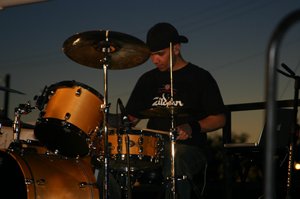
Landing a drumming scholarship can be life-changing for young musicians. Not only does it ease the financial burden of education, but it can also open doors to elite music programs, private instruction, and professional opportunities.
You don’t have to be a prodigy to win a scholarship—just smart, strategic, and seriously passionate. Whether you’re aiming to attend music school or level up your playing, the right scholarship can amplify your path.
- Financial freedom: Reduce or eliminate student loan debt while focusing on music studies.
- Professional validation: Gain credibility and recognition in the competitive world of drumming.
- Access to elite mentors: Learn from top instructors in reputable programs with scholarship support.
In this guide, we’ll explore proven tips and tools for finding, applying to, and winning drumming scholarships—even if you’re just starting out. Let’s set you up for success in your drumming journey.
Table of Contents
Suggested Products to help you #win at drumming:
- Alesis Nitro Max Electric Drum Set – Get quiet, versatile practice sessions at home with this compact, full-featured electronic drum kit, perfect for crafting polished audition pieces.
- Vic Firth American Classic 5A Drumsticks – A go-to choice for students and professionals alike—balanced, reliable, and ideal for both practice and performance.
- Evans RealFeel 2-Sided Practice Pad – Build clean chops and dynamic control with this dual-surface pad—an essential tool for scholarship performance prep.
- Moukey Boom Mic Stand with Phone Holder – Easily record pro-quality video auditions straight from your phone with sturdy, adjustable support for any setup.
Start Early and Stay Organized
If you’re dreaming about a music scholarship, don’t wait until your senior year of high school. The earlier you begin planning, the more opportunities you’ll be ready for—and the more confident your applications will feel.
Create a spreadsheet or notebook to track scholarship deadlines, audition formats, required materials, and eligibility requirements. Many music scholarships open applications as early as junior year or even earlier for summer programs or competitions.
Sites like Fastweb, Scholarships.com, and university music department pages are great places to search. Mark key dates in a calendar and set periodic reminders to review your progress.
Build Your Drumming Portfolio
A strong portfolio sets you apart from the pack. This should include:
- Solo performance recordings—snare, drum set, mallets if applicable
- Ensemble performances—school band, jazz groups, percussion ensemble
- A resume detailing your musical experience, leadership roles, and education
- Transcripts or report cards if academic merit is also considered
The goal? Show them your versatility, consistency, and commitment. Highlight your strengths and tailor your pieces to what each school or application values. For example, some scholarships heavily favor classical chops, while others want groove-heavy drum set performances. Learning to How to Play Drums for Beginners: Learn Easy Drum Basics can strengthen your foundation when building your portfolio.
Record High-Quality Audition Videos
Your video submission is often your first impression. Use high-quality audio and stable video to capture your playing without distractions. Make sure room acoustics don’t hurt your dynamics or tempo perception.
Use gear like the Moukey Boom Mic Stand with Phone Holder to secure your phone or microphone and get clean, consistent shots. Choose a clean backdrop, and dress like you’re auditioning in person.
Don’t stop after one take—record several, review critically, and submit the best. Ensure your sticks and setup are appropriate and visible throughout. If you’re recording at home, these tips from How to Record Drums at Home Like a Pro (No Studio Needed) can be a game changer.
Know Your Scholarship Types
Not all drumming scholarships are the same. Here’s a breakdown of common types:
| Type | Description |
|---|---|
| Merit-Based | Awarded for musical excellence via auditions, performance history, and GPA |
| Need-Based | Given to students with demonstrated financial need |
| School-Specific | Offered by music programs or departments of specific colleges or conservatories |
| Competition-Based | Earn scholarships through placing in drumming contests or ensembles |
Align your application approach with what the scholarship panel is looking for. For example, a competition-based award will weigh your technique more heavily than academics.
Practice With Intention
More practice isn’t always better—it’s focused practice that makes winners. Break your practice into segments: 40% technique, 30% repertoire, 20% sight reading, 10% theory. Adapt as needed.
Use a realistic practice pad like the Evans RealFeel to lock in clean, articulate strokes when working on rudiments or orchestral excerpts. Or try these 10 Powerful Drum Warm Ups to Boost Speed and Control to improve your chops strategically.
Record yourself weekly, watch critically, and track your progress in a journal or app. Practicing like this mirrors what music programs expect and gets you scholarship-ready faster.
Get Strong Letters of Recommendation
Ask for recommendations early—ideally from private drum instructors, ensemble directors, or school band teachers who know your journey. Provide them with a brief overview of what the scholarship is about and what makes you a good fit.
Include a summary of your projects, progress, and goals to help them write compelling, detailed letters. Choose people who can speak to both your musicality and character.
Leverage Gear for Effective Practice
Gear doesn’t win you scholarships—but the right gear can help you practice smarter and showcase your best sound. For instance, the Alesis Nitro Max Electric Drum Set lets you prepare clean, expressive performances without disturbing your neighbors.
Likewise, having go-to tools like the Vic Firth American Classic 5A sticks means your tone and rebound are consistent every time you play—crucial when auditioning or tracking video submissions. Don’t underestimate daily consistency for long-term results. See how Unlock Faster Hands: Best Drumming Speed Drills That Work can make your daily sessions more effective.
Conclusion & Next Steps
Drumming scholarships are absolutely within reach if you prepare intentionally, present thoughtfully, and apply widely. Remember, most scholarship panels value potential and dedication just as much as elite chops.
Start taking small steps now: organize your materials, record regular videos, talk to your mentors, and upgrade your practice setup if needed. With focus and the right tools, you’ll put yourself in a powerful position to earn the scholarship support you deserve.
To stay motivated and connected, explore our product recommendations and join our mailing list for more scholarship leads, tips, and drumming resources. You’ve got this—now go claim what’s yours.
FAQs
What are some common drum scholarship audition requirements?
Most auditions require at least one solo snare piece and one full drum set performance. You may also need to play rudiments, demonstrate sight-reading, or perform with backing tracks or ensembles. Always review the specific guidelines for each scholarship.
How do I stand out in a drum scholarship application?
Highlight your versatility—show you can groove, read charts, and perform solo works. Include high-quality videos, a professional resume, and strong reference letters. Practicing consistency and excellent timing will make a strong impression.
Are there scholarships for non-traditional drummers?
Yes! Many modern programs support world percussionists, marching drummers, and producers using hybrid electronic/acoustic setups. Highlight your unique style and strengths in your recordings and essays.
Do I need expensive gear to win a scholarship?
Not necessarily—but reliable gear helps you improve faster and present your best sound. Tools like practice pads, boom mic stands, and consistent sticks can increase your quality without breaking the bank.
Can community college or trade schools offer drum scholarships?
Absolutely. Many two-year colleges and local programs offer music scholarships, especially for students who perform in ensembles. Always ask the financial aid office what’s available—you might be surprised.
How many scholarships should I apply to?
Aim for at least 5–10 applications. Broadly applying increases your odds and gives you options. Diversify your applications across programs, competitions, and private grants.
Can international students apply for drumming scholarships in the US?
Some schools and private foundations accept international applicants. Be sure to check eligibility requirements and prepare to include visas or alternative proof of English proficiency if needed.