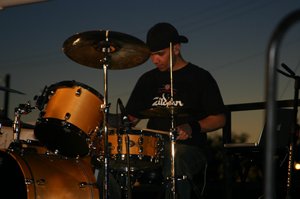
Ever wonder what makes a great band groove, not just sound good? Look no further than the drummer. Often called the “heartbeat” of the group, a skilled drummer does far more than just keep time—they shape the energy, dynamics, and feel of every performance.
- Learn how drummers create and maintain rhythm that drives the whole band forward.
- Understand the communication role drummers play in live settings and rehearsals.
- Discover why versatility and dynamics make drummers invaluable members of any musical group.
Whether you’re just starting or have been jamming for years, grasping the true role of a drummer in a band transforms your mindset—and your musicianship. Let’s dive deep into what being a drummer really means beyond the beats.
Table of Contents
Suggested Products to help you #win at drumming:
-
Vic Firth American Classic 5A Drumsticks
– A solid and balanced choice for everyday band rehearsals and gigs. -
Tama HP200P Iron Cobra 200 Single Pedal
– Great for developing foot control and consistent kick dynamics. -
Alesis Drum Essentials Bundle
– Useful for hybrid drumming setups or silent practice sessions. -
Zildjian Planet Z Complete Cymbal Pack
– An affordable way to sound pro right from your first gig. -
PDP 700 Series Drum Throne
– Provides the comfort and stability needed during long playing sessions.
The Foundation of Rhythm and Groove
The most obvious role of a drummer is to keep time, but it’s much deeper than just being a metronome. Great drummers provide feel and pulse—the difference between a mechanical loop and an emotionally driven beat.
Think about legendary tracks in almost any genre. The groove keeps your head nodding and feet moving. That groove almost always starts with the drummer. Precision, consistency, and groove are key skills—and they take years of focused practice to master. For help developing speed and accuracy, try working through the Top Drumming Speed Drills to Boost Speed and Precision Fast.
Working with a metronome, developing your internal clock, and practicing different subdivisions can refine your ability to keep time with authority, not just accuracy.
Dynamic Control – Playing to Fit the Music
Volume matters. Energy matters. Great drummers learn to serve the song by controlling their dynamics. That means knowing when to play soft and when to unleash power. It’s not about showing off—it’s about elevating the music. You can build better control by incorporating tips from Master Drum Dynamics: Pro Techniques to Boost Your Playing.
Imagine a soft-ballad intro. If you’re hitting your snare like you’re in a punk band, you’re doing a disservice to the rest of the group. Developing brush technique, using rim clicks, or playing ghost notes can transform your sensitivity as a musician.
If you’re serious about improving dynamic control, investing in a responsive pedal like the Tama HP200P Iron Cobra 200 Single Pedal will help you build even, intentional footwork from the ground up.
Communication and Cueing Other Musicians
On stage or in rehearsal, drummers guide the band not just through rhythm but through non-verbal cues. A crash to signal transitions. A fill before the chorus. A glance or head nod to start the next section. You’re the quiet conductor from behind the kit.
These cues are essential in live music. Part of being a reliable drummer is knowing how to listen, adjust, and signal changes clearly. It’s why many bands look to their drummer to lead tempo shifts, handle count-ins, and even recover from mistakes mid-song.
Think of it like this: drummers are both the engine and steering wheel. The entire band depends on your stability and your guidance.
Adapting to Styles and Musical Settings
From jazz to metal, reggae to funk, the mark of a great drummer is versatility. Each style demands different tones, stickings, dynamics, and feel. Adapting to those requirements is what sets a musical drummer apart from someone who just hits things in time.
To build style fluency, study groove libraries, transcribe drum parts across genres, and jam with musicians from different backgrounds. You’ll sharpen your musical ear, internalize genre feels, and open more gig doors.
Owning tools like the Alesis Drum Essentials Bundle makes it easier to practice a range of styles at home, especially when volume control or space is an issue.
Why Equipment Choices Matter
While skill is always more important than gear, your setup still shapes your sound and comfort. Cymbal tone, stick weight, pedals, stools—even the sound of your throne scraping the floor—contributes to the band’s overall sonic impression.
Many beginner drummers use basic gear, but as you improve, it’s worth investing in responsive tools. Something as simple as switching to Vic Firth American Classic 5A Drumsticks can improve balance and endurance across a setlist. Choosing the Top Drum Throne Essentials for Comfort & Perfect Posture can also make extended playing far more enjoyable and healthy.
For better seated control, posture, and stamina, having a solid base like the PDP 700 Series Drum Throne can make a big difference, especially during long practice sessions or live gigs.
Becoming the Backbone: Trust and Reliability
Ultimately, the drummer must be the most consistent person in the band. That doesn’t mean playing robotic parts—it means being dependable. Showing up prepared. Knowing the material. Playing solidly, even under pressure or fatigue.
If the drummer starts rushing or dragging, the rest of the band starts spiraling. When you’re locked in, everyone else plays better.
Becoming reliable takes discipline: maintaining practice routines, recording yourself to evaluate timing, and always prioritizing groove over showmanship. Consider using tips from Master Drum Timing Skills: Boost Speed, Precision & Control for upping your reliability and consistency behind the kit.
Practical Breakdown of Drummer Duties
| Area | Drummer’s Role | Pro Tip |
|---|---|---|
| Timekeeping | Hold consistent tempo throughout songs | Use a metronome regularly in practice |
| Groove | Create feel and sway for the band | Record your playing and listen for pocket |
| Dynamics | Play with volume based on the music | Practice accents, ghost notes, and brush work |
| Transitions | Signal changes with fills or body language | Rehearse song structures with bandmates |
| Reliability | Be consistent and prepared every time | Know your parts and be on time |
Conclusion
A great drummer doesn’t just play beats—they build the musical foundation that allows everyone else to shine. Whether you’re driving a band forward with groove, guiding transitions, or crafting textures through tone and touch, your role is central to the band’s success.
Try incorporating some of the tips above in your next jam or practice session. Explore the suggested products that support your growth, from better sticks to more reliable pedals. Keep learning, stay humble, and remember: drummers don’t just keep time—they create vibe.
FAQs
What does a drummer do in a live band performance?
The drummer sets the tempo, signals transitions, and builds dynamic energy across a live set. They’re often responsible for starting songs, maintaining flow, and being a point of visual and rhythmic coordination for the entire group.
Why is timing so important for drummers?
Timing is the bedrock of all good music. If a drummer rushes or drags, it throws off the whole band. Tight timing helps create a solid groove and lets other musicians feel confident and focused while you hold everything together.
What is the best gear for beginner drummers in a band?
Essential beginner gear includes reliable drumsticks like Vic Firth American Classic 5A, a versatile entry-level pedal, and basic cymbals. A quality throne and practice pad can also make early development more comfortable and efficient.
How do drummers communicate with the band?
Drummers often use fills, cymbal crashes, eye contact, or nods to cue changes. In rehearsals, count-ins, shout-outs, or leading transitions can keep everyone in sync. This non-verbal communication is a critical part of live performance chemistry.
Do drummers need to know music theory?
While not mandatory, basic music theory helps drummers understand structure, time signatures, and dynamics better. It also improves communication with other band members, especially when arranging or rehearsing new music.
How do I improve dynamic control on the drums?
Practice exercises involving ghost notes, accents, and brush playing can refine your touch. Using sensitive gear like the Tama Iron Cobra pedal can also help you develop better foot control and instinctive feel.
Can electronic kits prepare me for band drumming?
Yes, tools like the Alesis Drum Essentials Bundle allow for silent, responsive practice. While feel differs slightly from acoustic kits, e-kits help you build timing, dynamics, and new style confidence—especially when paired with headphones and metronomes.