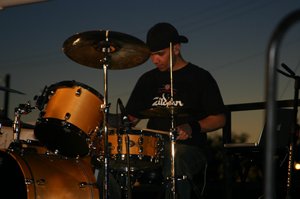
Choosing the best drumsticks can completely transform your playing. Whether you’re just starting out or refining years of technique, finding the right sticks is key to unlocking speed, control, and tone behind the kit. If you’re starting your drumming journey, you may also want to check out How to Play Drums for Beginners: Learn Easy Drum Basics.
- Play longer with less fatigue using sticks designed for balance and rebound.
- Adapt to different musical styles by discovering wood tips, nylon tips, thickness options, and taper dynamics.
- Get more for your money by selecting drumsticks that offer durability and consistent performance.
In this guide, I’ll break down how to choose the right drumsticks based on style, skill level, and performance needs—plus recommend proven stick models that I’ve used on stage and in the studio. Let’s dive into what makes a drumstick the best for you.
Table of Contents
- Drumstick Anatomy 101
- Types of Drumsticks
- Choosing Your First Drumsticks
- Best Drumsticks for Common Styles
- Final Stick Checklist
Suggested Products to help you #win at drumming:
-
Vic Firth American Classic 5A
– A great all-around choice for beginners and pros, offering balanced weight and responsive feel. -
Zildjian 5A Nylon Tip Drumsticks
– Ideal for players who want added articulation and brightness, especially in cymbal work. -
ProMark Classic 2B Oak Drumsticks
– Great for hard hitters and rock players who need extra power and durability. -
Vic Firth Nova 7A Drumsticks
– Lightweight and perfect for jazz, light rock, and younger players just starting out.
Drumstick Anatomy 101
Knowing how a drumstick is made helps you choose one that suits your grip and style. Here are the key parts:
| Part | Description |
|---|---|
| Tip | Shapes like round, barrel, or teardrop affect tone, especially on cymbals. Nylon tips are brighter; wood tips sound warmer. |
| Shoulder | Where the stick starts to narrow. A short taper adds power, a long taper adds speed and control. |
| Shaft | The main body. Diameter affects weight, control, and fatigue. |
| Butt | The end of the stick. Can be used to play certain accents or as a reverse grip option. |
Get familiar with how each part affects your sound and feel—it’s like trying different picks on a guitar. Slight changes can lead to big breakthroughs. If you’re looking to improve speed and control, try incorporating exercises found in 10 Powerful Drum Warm Ups to Boost Speed and Control.
Types of Drumsticks
Not all sticks are created equal. Here are the most common types you’ll encounter:
Standard Drumsticks
These are labeled with numbers and letters—like 5A, 7A, 2B—and are your go-to for practice and performing. The number refers to thickness (higher number = thinner), while the letter hints at intended use (“A” for orchestra, “B” for band, “S” for street/marching).
Brushes
Perfect for jazz, acoustic, or low-volume gigs. Brushes offer a smooth, swishing vibe with more texture and a soft touch.
Rods (Hot Rods, Bundles)
Bundles of dowels bound together. These give you reduced volume while maintaining bounce—fantastic for unplugged sessions or sensitive venues.
Mallets
Used for cymbal rolls and percussion textures. Not typically interchangeable with standard sticks, but great as secondary tools in your stick bag.
Choosing Your First Drumsticks
As a teacher, I recommend starting with a balanced, versatile stick—something like the Vic Firth American Classic 5A. It’s a gold standard for beginners and pros alike. These sticks feel natural in most hands and pair well with many kits and styles.
The next decision is tip type. If you do a lot of cymbal work or higher-volume playing, consider Zildjian 5A Nylon Tip Drumsticks for added brightness and stick durability.
Size-wise, a 5A or 7A works best for beginners. Try a few models in a music store, if possible. Check how it rebounds on a practice pad and what your wrist feels like after 5 minutes of single strokes. You can accelerate your progress by following a solid routine like the one in Beginner Drum Practice Routine Review: Boost Skills Fast.
Best Drumsticks for Common Styles
Let’s break down what stick styles make sense for different musical genres. Your playing environment and technique should guide your selection.
Rock and Hard-Hitting Music
Choose heavier sticks like the ProMark Classic 2B Oak Drumsticks. Oak is denser than hickory and withstands aggressive playing. These sticks give you volume without asking your arms to work overtime. You can also refine your playing with guidance from Master Rock Drumming Techniques: Pro Tips for Killer Grooves.
Jazz and Groove-Oriented Styles
For lighter strokes and subtle dynamics, try sticks like the Vic Firth Nova 7A Drumsticks. Their thinner body and smaller bead help articulate ghost notes and brushwork with finesse.
Drumline or Marching
Use marching sticks specifically designed for weight and projection. Thicker handles give better grip during high-velocity stick tricks and big accents.
Electronic Kits or Compact Studios
Opt for lighter sticks or rods to protect pads and maintain even velocity. Lighter sticks also allow for longer practice times with reduced risk of joint strain.
Final Stick Checklist
Before you settle on your go-to pair, run through this quick checklist:
- Comfort: Do the sticks feel balanced in your hand?
- Rebound: Is your technique efficient with these sticks?
- Sound: Try them on cymbals and drums—how do they articulate?
- Consistency: A quality pair should feel the same in both hands.
- Durability: Does the wood or tip type suit how hard you hit?
Also, always keep a backup pair or two. Stick breaks happen—be prepared so your momentum doesn’t.
Conclusion
Finding the best drumsticks is a personal journey, but once you find your match, you’ll notice an immediate boost in control and comfort. Whether you start with versatile 5As or explore heavier or lighter variants, build your game around the sticks that support your feel and musical goals.
Want to level up? Try the Vic Firth American Classic 5A or Zildjian Nylon Tip 5As mentioned above—or mix things up with the hard-hitting 2B or lighter jazz-ready 7As. The right sticks can turn a good groove into a great one.
Ready to explore more gear? Subscribe, practice consistently, and experiment with different sticks until your hands know exactly what they like best.
FAQs
What drumstick size is best for beginners?
The most popular beginner size is 5A. It offers a comfortable diameter and weight for learning basic grip and stroke techniques without overwhelming your hands.
Is there a difference between wood and nylon tip drumsticks?
Yes. Wood tips create a warm and organic tone on cymbals, while nylon tips offer brighter sounds with added attack and increased durability, especially in crash-heavy settings.
Which drumsticks are best for rock music?
Choose thicker sticks like 2B models. Look for oak models such as the ProMark Classic 2B Oak for power, projection, and extended lifespan under aggressive playing conditions.
Can I use 7A sticks for metal or heavy genres?
You can, but it’s not ideal. 7A drumsticks are lightweight and may break faster under heavy-hitting styles. Heavier sticks offer better control and durability in intense genres.
Should I use different sticks for practice and performance?
It depends on your goals. Practicing with slightly heavier sticks can build endurance, while using standard performance sticks helps you develop muscle memory for shows. Many drummers rotate between both.
How long do drumsticks usually last?
A pair of drumsticks can last from a few days to several months. It all depends on your style, technique, and what you’re playing on. Rimshots and frequent cymbal hits wear them down faster.
Are expensive drumsticks worth it?
Sometimes, yes. Premium sticks usually offer better balance, matched pairs, and durability. But many affordable options like the Vic Firth Nova series offer solid performance for budget-conscious players.
Why do my sticks break so easily?
It could be due to poor technique, hitting at wrong angles, or using the wrong stick for your playing style. Try adjusting your grip and switching to a heavier or more durable wood type like oak.