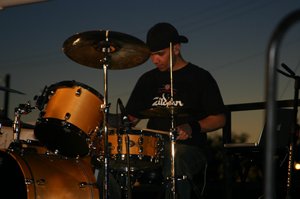
Reggae drumming might seem laid-back at first listen, but behind that chilled-out groove lies intricate rhythm, feel, and control. Whether you’re jamming with friends or gigging professionally, mastering reggae patterns will give your playing authentic island flavor—and serious respect in the pocket groove world.
- Develop impeccable time and feel for syncopated backbeats.
- Learn essential reggae grooves like one drop, steppers, and rockers.
- Build control with hi-hat finesse, kick dynamics, and rimshot articulation.
Let’s dig into the essential techniques, tips, and practice approaches that will help you confidently navigate classic reggae rhythms and elevate your versatility as a drummer. For foundational rhythm control, check out Master Drum Timing Skills Fast: Pro Tips to Play in Perfect Time.
Table of Contents
Suggested Products to help you #win at drumming:
-
Ludwig Supralite Steel Snare Drum
– A crisp snare perfect for expressive rimshots and that sharp reggae backbeat. -
Evans RealFeel 2-Sided Practice Pad
– Improve your limb independence and ghost note control anywhere. -
Meinl Percussion Artist Series Shaker
– Add percussive textures to your reggae setup and build feel timing. -
Alesis Nitro Max Electronic Drum Set
– Practice quietly with versatile kits, perfect for exploring reggae dynamics. -
Vic Firth American Classic 5A Drum Sticks
– A balanced stick choice that gives you control for dynamic reggae playing.
Understanding the Reggae Feel
At its heart, reggae is about feel—not flash. The emphasis is on groove, space, and syncopation rather than speed or technical display. Unlike rock or funk, reggae flips the beat by accenting the third beat of the measure, creating that signature head-nodding bounce.
Think of reggae as serving the song. You’re not just holding down the tempo—you’re shaping the vibe. And that means controlling your dynamics and staying absolutely locked in with the bass. To dive deeper into playing fundamentals, revisit How to Play Drums for Beginners: Learn Easy Drum Basics.
Core Reggae Grooves
There are three primary drum patterns that define reggae:
| Groove Name | Description |
|---|---|
| One Drop | Snare + kick both hit on beat 3 only. Beat 1 is intentionally left empty. Feels super relaxed. |
| Steppers | Kick drum hits every quarter note. Creates a driving, almost marching pulse while snare still hits on 3. |
| Rockers | Kick plays on 1 and 3. Snare plays on 3. Full-bodied groove great for roots reggae and dub. |
Each of these grooves serves a unique musical purpose. Mastering them gives you flexibility whether you’re playing laid-back lovers’ rock or up-tempo ska. You may also want to explore styles in Master Rock Drumming Techniques: Pro Tips for Killer Grooves for comparison.
Hi-Hat Techniques in Reggae
Reggae drummers use the hi-hat as more than just timekeeping—it becomes a rhythmic voice. Open and closed hi-hat articulations create motion, feel, and tension release.
- Practice 8th notes with accents on the “&” to create syncopation.
- Experiment with opening the hi-hat on beat 2 or 4 to add zest.
- Use ghosted hi-hats and soft strokes to mimic guitar skank rhythms.
Invest in dynamic control practice with tools like the Evans RealFeel 2-Sided Practice Pad to develop the subtle touch reggae requires. You can build extra finesse with the ideas from Ghost Notes Drumming Explained: Master Subtle Groove Skills.
Kick and Snare Placement
In reggae, the snare is often rimshot on beat 3—central to the “one drop” feel—and the kick can vary depending on groove. But restraint is key. Less is more.
Try this pattern for a one drop starting point:
- Kick: only on beat 3
- Snare (rimshot): beat 3, layered with kick
- Hi-hat: 8th notes, opening slightly on “&” of 2 and 4
The Ludwig Supralite Steel Snare Drum produces that crisp, cutting rimshot reggae thrives on. Pair it with proper ghost note technique for rich dynamics.
Forming the Flavor: The One Drop
One Drop is the heartbeat of reggae. Beginners often rush or overplay—resist that. Let the groove breathe. Stay calm and focus on feel. Count in 16ths if needed to internalize the space before beat 3.
Here’s a helpful tip: loop just the hi-hat and snare without any kick until your backbeat is perfectly relaxed. Then slowly layer in the kick. This phrasing control also translates directly to dub or roots music.
Reggae Practice Tips for Drummers
- Loop simple phrases – Don’t overload. Nail each pattern before exploring variations.
- Practice with reggae basslines – Locking in with bass is essential.
- Record yourself – Play back your grooves and listen to timing, especially beat 3 placement.
Consider adding a Meinl Percussion Artist Series Shaker into your setup to practice coordination and explore percussive textures common in reggae and dub.
Gear That Makes a Difference
Reggae often gets creative with setup. Many drummers use smaller kits to emphasize groove and tone. Here are gear thoughts to enhance your reggae playing:
- An electronic drum set like the Alesis Nitro Max Electronic Drum Set allows quiet practice with customizable tones mimicking roots kits and dub effects.
- Balanced sticks, such as Vic Firth American Classic 5A Drum Sticks, help control ghost notes and reduce unwanted volume spikes.
- Accessories like shakers or tambourines add reggae authenticity and phrasing flexibility.
Focus more on articulation than power. In reggae, control is king.
Conclusion
Reggae drumming invites you into a world where feel rules all. By studying groove styles like one drop and steppers and refining your hi-hat and snare dynamics, you’ll unlock the power to drive reggae rhythms with deep pocket and soul.
Try one of the core patterns today. Explore the suggested products—they’re curated to support better tone, timing, and practice. And remember: reggae isn’t about speed—it’s about presence.
If you’re inspired, subscribe to more drumming content or dig deeper into stylistic grooves to round out your craft.
FAQs
What is the one drop drum pattern in reggae?
The one drop places both snare and kick on beat 3, leaving beat 1 empty. This creates a laid-back, offbeat flow that defines much of the reggae vibe. It’s a great starting point for understanding reggae rhythm.
How is reggae drumming different from rock or funk?
Reggae drumming emphasizes space and syncopation, especially around beat 3. Unlike rock, which hits heavy on beats 1 and 3, reggae often avoids beat 1 altogether. The feel is gentler but requires more control and awareness.
Why is the hi-hat so important in reggae?
The hi-hat provides rhythmic texture in reggae, often mimicking the upstroke of the guitar or adding subtle movement. Mastering hi-hat accents and variations is key to locking in a reggae groove.
Can I use electronic drums for reggae practice?
Yes, electronic drums are great for reggae practice, especially when volume is a concern. Kits like the Alesis Nitro Max are versatile and allow exploration of reggae tones, dub effects, and customization.
What type of snare is best for reggae?
Reggae drummers tend to favor snares with sharp response and crisp rimshots. Steel snares like the Ludwig Supralite are excellent for cutting through the mix with clarity and character.
How can I develop better timing for reggae grooves?
Use a metronome set to emphasize beat 3, record yourself, and practice with reggae bass loops. You’ll need to internalize the offbeat syncopation and allow your backbeat to settle deep into the groove.
Are ghost notes used in reggae?
Yes, ghost notes add subtle texture and feel between main snare hits. They’re not as flashy as in funk, but when used tastefully, they give your playing richness. Practice them slowly with a practice pad to develop control.