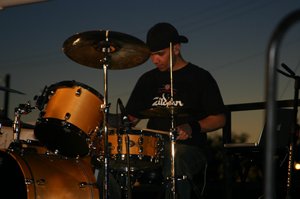
Metal drumming is intense, technical, and incredibly rewarding once you dive into its high-speed rhythms and aggressive grooves. For aspiring drummers, it’s a gateway into some of the most exhilarating playing you’ll ever do behind a kit. If you’re just beginning your journey, check out How to Play Drums for Beginners: Learn Easy Drum Basics to establish a strong foundation.
- Build endurance and speed through blast beats and double bass drills
- Improve control and coordination under high-tempo pressure
- Create powerful rhythms that drive any metal band with authority
In this article, we’ll break down metal drumming basics, provide real genre-specific examples, and point you toward gear that helps unlock your technique. Whether you’re preparing for your first gig or dialing in your practice routine, you’ll find a solid footing right here.
Suggested Products to help you #win at drumming:
-
TAMA Iron Cobra 900 Power Glide Single Bass Drum Pedal
– Delivers smooth, fast action and durability for mastering metal double kick patterns. -
Evans EMAD Heavyweight Bass Drum Head, 22 Inch
– Designed for power and punch, ideal for dialing in a tight, metal-ready bass tone. -
Vic Firth American Classic Metal Drumsticks
– Balanced for heavy-hitting styles like metal without sacrificing control. -
Alesis Nitro Max Kit
– Affordable electronic kit perfect for late-night metal practice with double-kick compatibility.
What Is Metal Drumming?
At its core, metal drumming is about power, speed, and intensity. It pushes your limbs and mind to their limits with relentless double bass patterns, rapid-fire snare fills, and complex syncopation. Unlike jazz or pop, metal drums aren’t just supporting the music—they’re often co-leading the energy and emotion of the song. For a deeper look into timing and groove, check out Master Drum Timing Skills: Boost Speed, Precision & Control.
The roots of modern metal drumming trace back to pioneers like Dave Lombardo (Slayer), Lars Ulrich (Metallica), and Charlie Benante (Anthrax). Today’s extreme genres—death, black, progressive metal—have only increased the technical demands on drummers.
Essential Metal Techniques
You won’t get far in metal without mastering core techniques. Let’s look at the essential skills every metal drummer should practice daily.
Blast Beats
This is the quintessential metal blast of energy. A standard blast beat alternates rapid snare hits with kick drums and rides or hi-hats:
- Traditional Blast Beat: Right hand and right foot in unison, left hand strikes snare on alternating 16ths
- Bomb Blast: All limbs unison for maximum chaos and energy
- Hammer Blast: Snare hand blasts alongside a steady foot pattern
Double Bass Pedal Work
Fast double kick playing underpins most extreme metal. Start at 100–120 BPM mastering 16th notes, and gradually increase tempo as your stamina builds. A quality pedal like the TAMA Iron Cobra 900 Power Glide Single Bass Drum Pedal can make a big difference in control and endurance. You can also improve your technique with Boost Drumming Endurance Fast: Pro Tips to Play Longer.
Orchestrated Cymbal Use
Metal drummers sculpt powerful transitions using crashes, china cymbals, and stacks. Create dynamic variation by incorporating them into your fills and accents, rather than just timekeeping.
Practice Routines for Metal Drummers
Consistency is key with metal drumming. Here are some focused routines to help develop speed, stamina, and control. You may also benefit from this structured guide: Best Drum Practice Routine for Faster Skills & Timing Mastery.
Warm-Up Routine (15 Minutes)
- 5 min rudiment variations (singles, doubles, paradiddles)
- 5 min feet-only exercises using a metronome starting at 100 BPM
- 5 min hands and feet unison drills (blast beat variations)
Workout Routine (30–45 Minutes)
Mix in time with play-alongs and raw exercises:
- Double bass endurance drills at target tempos (3 sets of 2 minutes each)
- Groove patterns using syncopated snare hits
- Fill construction in 16th and triplet groupings
- End with 5 minutes of free improv to apply everything learned
Common Metal Grooves and Patterns
Metal grooves vary by subgenre, but certain patterns act as foundational vocabulary across the board.
| Groove Name | Style/Subgenre | Tempo Range |
|---|---|---|
| Blast Beat | Black/Death Metal | 200–260 BPM+ |
| Kick Doubles with Backbeat | Groove Metal | 100–140 BPM |
| Polyrhythmic Stacks | Progressive Metal | Varied |
| Triplet Blends | Metalcore | 120–160 BPM |
Internalizing these patterns gives you a springboard for writing original ideas and adapting to different bands and subgenres.
Gear Choices for Metal Drummers
Your gear should match the speed and aggression of your playing. Here’s what to keep in mind as you build your metal setup:
- Double Bass Pedal: A responsive and durable pedal like the TAMA Iron Cobra makes a huge difference in tone and control.
- Bass Drum Head: Heavy-duty heads such as the Evans EMAD Heavyweight Bass Drum Head, 22 Inch can tighten your low end and eliminate unwanted resonance.
- Sticks: Choose heavier sticks that offer both durability and balance, like the Vic Firth American Classic Metal Drumsticks.
- Electronic Kits: For quiet practice, something like the Alesis Nitro Max Kit can replicate double kick setups without waking the neighbors.
Recording and Live Metal Performances
Metal is unforgiving live and under studio mics. Your timing and tone need to be airtight. Use a metronome in-ear when tracking, and consider triggers on bass drums for consistency live. Focus your attention on clean strokes, minimal motion, and intentional accents. For an in-depth home recording guide, see How to Record Drums at Home Like a Pro (No Studio Needed).
In a live setting, durable heads and hardware matter. A head like the Evans EMAD absorbs punishment while keeping your kick articulate under loud amps and subwoofers. When playing double bass parts at 220+ BPM, stamina also becomes part of the performance equation.
Conclusion
Metal drumming is physically intense and technically challenging—but also wildly satisfying. Whether you’re just starting out or leveling up your current skills, daily dedication to blast beats, double pedal drills, and solid gear will push you forward fast.
Try incorporating one new groove into your practice this week, and explore the suggested products to help elevate your control, feel, and stamina. If you’re hungry for more, dive into additional tutorials and subscribe to digital practice platforms that keep you sharp. Metal may be harsh—but your progress doesn’t have to be.
FAQs
What’s the best way to build speed in double bass drumming?
Start slow with a metronome and focus on evenness in your strokes. Gradually increase speed in small increments, keeping your technique clean. Daily practice using consistent foot exercises is the key to long-term improvement.
Should I use a click track when practicing metal drumming?
Yes—metal drumming demands impeccable timing, especially at high tempos. A click track helps develop internal consistency and prepares you for studio or live environments where timing is critical.
What size drums are best suited for playing metal?
Most metal drummers prefer larger bass drums (22″ or 24″) and toms with deep shells for a more thunderous sound. However, tuning and head selection like the Evans EMAD can shape your tone even on mid-sized kits.
Are electronic drum kits good for practicing metal?
Yes, especially if you’re in a shared living space or want to monitor your progress quietly. Kits like the Alesis Nitro Max offer trigger support for double bass setups and a natural-feeling playing surface.
Is it worth investing in metal-specific drumsticks?
Absolutely. Sticks like the Vic Firth American Classic Metal Drumsticks give you better control and last longer under heavy playing. Choosing gear aligned with your style makes practice more effective and enjoyable.
How can I prevent fatigue during blast beats?
Use relaxed grip and posture to minimize tension. Alternate hand techniques (moeller, push-pull) reduce strain. Start slow, build endurance in intervals, and track your time consistently to see growth.
Can I learn metal drumming without a double bass pedal?
You can start learning grooves and hand techniques, but double bass is foundational to the genre. You’ll eventually need a pedal for authenticity—even a basic one helps build early coordination.