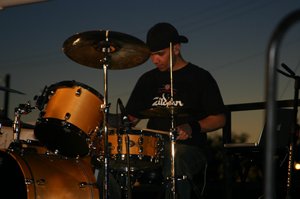
If you’re serious about staying locked in with your marching ensemble, a solid metronome isn’t just helpful—it’s essential. When the tempo must stay razor-sharp through rehearsals, drills, and field shows, choosing the right metronome can elevate your timing, confidence, and overall performance.
- Improve tempo accuracy and build consistent internal timing
- Withstand demanding environments like outdoor fields and long rehearsals
- Enjoy features tailored to marching use—loud volume, clip-on wearability, and programmable rhythms
Whether you’re a battery drummer, pit player, or drum major, having a march-friendly metronome that keeps pace with your ambitions is a massive advantage. Let’s break down the best options available and what to look for when choosing the perfect one for your needs. For more on foundational skills, check out the How to Play Drums for Beginners: Learn Easy Drum Basics.
Table of Contents
| Why Metronomes Matter in Marching Band | Key Features to Look For |
| Top Metronomes for Marching Band | Comparison Table of Popular Marching Metronomes |
| Tips for Using Metronomes Effectively | Conclusion |
| FAQs |
Suggested Products to help you #win at drumming:
-
Peterson BodyBeat Sync BBS-1
– Ideal for field marches, this metronome features wireless sync and wearable vibration feedback for hands-free use. -
Tama RW200 Rhythm Watch
– Built for percussionists, this rugged model features visual, audible, and programmable tempo settings ideal for marching use. -
Peterson StroboPLUS HDC
– A high-performance model perfect for advanced players looking for professional-grade accuracy and customization. -
Korg MA-2 Digital Metronome
– A simple, reliable metronome with a strong audible beat—great for students and developing players. -
LEKATO Clip-On Vibrating Metronome
– A practical clip-on device that delivers tactile pulse feedback for silent, on-the-field practice.
Why Metronomes Matter in Marching Band
In marching band, individual timing mistakes ripple across the entire ensemble. Whether you’re playing snares or conducting from the podium, ensemble tightness comes down to temporal accuracy. A dependable metronome helps you internalize tempo, execute clean transitions, and rehearse with purpose—even when distractions abound. You can also explore key Master Drum Timing Skills Fast: Pro Tips to Play in Perfect Time to tighten your rhythmic precision.
Drummers especially benefit, as sticking patterns and foot placement must work in sync. Practicing with a metronome instills the muscle memory needed to execute difficult parts with precision both standing still and on the move.
Key Features to Look For
Not all metronomes are created equal—especially when it comes to marching use. Here’s what makes a metronome truly field-ready:
- Loud Volume: Your metronome has to cut through ambient noise, especially outdoors.
- Clip-on or Wearable: For mobility, hands-free vibration and easy mounting are essential.
- Programmable Tempos: Switch tempos quickly for different sections or pieces.
- Visual & Tactile Feedback: Useful when the audible click is drowned out by ensemble volume.
- Durability: Marching isn’t gentle, so rugged build quality matters.
Drummers in DCI, high school, or college lines often rely on metronomes tailored to their unique playing environments. Below, we break down some of the top choices that deliver across categories. You can also sharpen your chops with these Top Drumming Speed Drills to Boost Speed and Precision Fast.
Top Metronomes for Marching Band
Peterson BodyBeat Sync BBS-1
This is a favorite among drumlines for good reason. The Peterson BodyBeat Sync lets multiple players wirelessly sync to one tempo source—perfect for snarelines and full battery teams. Its physical pulse feedback keeps you on point in loud or fast-moving field conditions.
Tama RW200 Rhythm Watch
Built by drummers, for drummers, this metronome has been a staple in the percussion world for decades. The RW200 combines easy-to-read tempo indicators, programmable beats, and versatile output options for earbuds or amps—making rehearsal smoother and more precise.
Peterson StroboPLUS HDC
Designed with professionals in mind, the StroboPLUS HDC boasts unbeatable timing accuracy and massive customization. Its large screen and durable chassis make it perfect for band directors or section leaders in charge of tempo control during rehearsal blocks.
Korg MA-2 Digital Metronome
Affordable and effective, the Korg MA-2 offers excellent sound clarity and long battery life. It’s a go-to device for players who want a no-frills, dependable metronome to build their internal clock without breaking the bank.
LEKATO Clip-On Vibrating Metronome
This wearable vibrating metronome clips directly to your waistband or pocket, delivering silent tempo pulses without interfering with your music. Excellent for pit percussionists or field players who need real-time tactile feedback without added noise.
Comparison Table of Popular Marching Metronomes
| Model | Type | Best For | Feedback Modes | Wearable |
|---|---|---|---|---|
| Peterson BodyBeat Sync BBS-1 | Wireless Synchronizing | Drumline, Field Coordination | Audible, Vibrating | Yes |
| Tama RW200 Rhythm Watch | Programmable Digital | Battery & Pit Rehearsals | Audible, Visual | No |
| Peterson StroboPLUS HDC | Professional Tuner/Metronome | Directors, Advanced Musicians | Visual, Audible | No |
| Korg MA-2 Digital Metronome | Compact Digital | Student Practice | Audible | No |
| LEKATO Clip-On Vibrating Metronome | Tactile Wearable | Silent Practice, Pit Use | Vibrating | Yes |
Tips for Using Metronomes Effectively
- Start Slow: Always rehearse tough passages slowly with your metronome before ramping up speed.
- Use Subdivisions: Set your metronome to click 8th or 16th notes when rhythms get complex.
- Alternate Practice Modes: Use only visual or vibration feedback to strengthen your internal pulse.
- Program Transitions: Save tempo changes in advance if your metronome supports it—this is huge during field shows.
- Stay Consistent: Build metronome use into your daily warm-ups and exercises. Try adding these powerful 10 Powerful Drum Warm Ups to Boost Speed and Control into your routine.
The more comfortable you become rehearsing with your metronome, the cleaner and more confident you’ll play on performance day. These tips translate directly into better timing under stress, whether during a stadium show or high-stakes audition.
Conclusion
Choosing the best metronome for marching band comes down to your specific role, environment, and practice habits. Whether you need wireless sync, high-volume output, or silent vibration, today’s top models offer battle-tested options that reinforce your rhythm from the inside out.
Don’t just read about it—take action. Try one of the metronomes listed, explore new practice techniques, or develop a tempo drill routine this week. There’s nothing stopping you from becoming the most consistent player on the field.
FAQs
What is the best metronome for marching snare drummers?
Marching snare drummers need a metronome with vibration feedback or loud volume for outdoor use. Models like the Peterson BodyBeat Sync BBS-1 offer the flexibility and tactile feedback necessary for on-the-move precision.
Are clip-on metronomes good for drumlines?
Yes, clip-on metronomes with vibrating feedback are perfect for drumlines. They allow players to feel the beat without relying on audio, which is often lost during outdoor rehearsals or performances.
Can I use a digital metronome for pit percussion practice?
Certainly. Battery-powered or programmable digital metronomes like the Tama RW200 are ideal for pit players since they allow for more customized and session-specific settings.
Do metronomes improve marching coordination?
Absolutely. Using a metronome helps align your foot timing with musical phrases, providing consistent cadence control. Over time, it trains your brain and body to move as one cohesive unit, essential for marching performance.
What metronome features matter most for students?
Students benefit from clear audible clicks, simple controls, and durability. Entry-level models like the Korg MA-2 are great choices for building rhythmic reliability without complex setup.
What’s the advantage of programmable tempos?
Programmable tempos allow you to switch speeds quickly between parts of a piece without pausing. This is helpful during run-throughs or when working on dynamic tempo changes within a show or routine.