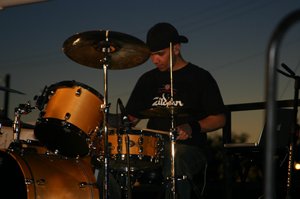
The drummer is often called the backbone of any band—but what does that actually mean in practice? Whether you’re just starting out or already jamming with others, understanding your true responsibilities behind the kit can transform your playing and the band’s entire sound. If you’re new to the instrument, check out How to Play Drums for Beginners: Learn Easy Drum Basics for foundational tips.
- Build a strong sense of timing and rhythm essential for every group.
- Learn how to support and elevate fellow musicians with your drumming.
- Gain confidence on stage by fulfilling your unique role in the band.
If you want to be the drummer everyone wants to play with, it’s not just about nailing fills or playing fast—it’s about mastering your role as the heartbeat of the band. Let’s break down what that means, how to develop the right skills, and what gear can help you lock in your foundation.
- What Is the Core Role of a Drummer?
- Groove, Timing, and Feel: The Drummer’s Secret Weapons
- How Drummers Shape a Band’s Dynamics
- Essential Practice Routines and Gear for Band Drummers
- Working with Other Musicians: Collaboration and Communication
- Conclusion
- FAQs
Suggested Products to help you #win at drumming:
-
Donner Drum Practice Pad
– Practice pads are essential for building stick control, working quietly, and sharpening your timing away from the kit. -
VIC FIRTH American Classic 5A Drum Sticks
– Reliable, well-balanced sticks help drummers of all levels develop their technique and consistent sound across genres. -
Alesis Nitro Max Kit
– An electronic drum kit lets you practice grooves, record ideas, and experiment with different styles at home or on the go. -
Drums: The Ultimate Drum Book
– A comprehensive guidebook helps you understand drumming essentials, band dynamics, and the evolution of drum gear.
What Is the Core Role of a Drummer?
The primary role of the drummer is to establish and maintain the musical pulse that keeps the band together. In every rehearsal, recording, or live gig, the other musicians depend on you for a steady tempo and clear groove. Audiences may not always focus on the drummer, but when the rhythm falters, everyone feels it—onstage and off.
Drummers also outline the musical structure for the rest of the band. Through changes in rhythm, accents, and dynamics, you cue transitions between song sections and help shape dynamics. If you can lock down a groove and listen deeply to your bandmates, you’ll gain the respect needed for a long, successful career in music.
Sometimes, drummers even take on a leadership role, guiding rehearsals, helping arrange songs, and ensuring every member syncs up musically and emotionally.
Groove, Timing, and Feel: The Drummer’s Secret Weapons
When people talk about a band “locking in,” they’re really talking about how tight the rhythm section is. Groove is the confident, repeating rhythmic pattern that makes listeners want to move, and it rests squarely on your shoulders as the drummer. For exercises on getting faster and more precise, see Top Drumming Speed Drills to Boost Speed and Precision Fast.
Three pillars of drumming help create this magic:
- Timing: Your sense of time, honed with tools like a metronome or a Donner Drum Practice Pad, sets the standard for the group.
- Dynamics: Knowing when to play soft or loud keeps the music interesting and communicative.
- Feel: This is the “x-factor” that gives character to your playing—behind, on, or ahead of the beat as the style demands.
Developing an outstanding groove takes hours of mindful practice. If you want your band to sound amazing, focus on these fundamentals every time you play. I recommend recording yourself, practicing with a metronome, and playing along with your favorite tracks to internalize time and groove. Master Drum Timing Skills: Boost Speed, Precision & Control offers excellent tips for refining your timing.
| Key Groove Techniques | Practical Application |
|---|---|
| Ghost Notes | Create subtle textures and accent groove patterns in funk, R&B, and pop. |
| Syncopation | Drive interest, especially in jazz, rock, and fusion. |
| Backbeat Consistency | Support the main pulse—crucial in pop, rock, and hip hop. |
How Drummers Shape a Band’s Dynamics
Beyond keeping time, drummers control the energy and dynamic shape of a song. Your choices—like playing rim clicks instead of full snare hits, or using cross-stick versus closed hi-hat—can instantly change a band’s mood. Listen closely to what the band needs in the moment: Should you pull back and let the singer shine, or build momentum into the chorus?
Dynamics aren’t just about loud and soft—they’re about textural contrast and storytelling. By using tools like VIC FIRTH American Classic 5A Drum Sticks, you can bring greater nuance to your touch and volume, switching seamlessly across genres and song sections. For deeper insight, explore Master Drum Dynamics: Pro Techniques to Boost Your Playing.
It’s also important to cue transitions. Often, drummers will play a fill or a crash to signal the end of one part and the start of another. These moments help unify the band’s direction and excite the audience, so listen carefully and communicate those changes clearly through your playing.
Essential Practice Routines and Gear for Band Drummers
Perfecting your drumming role in a band isn’t only about talent—it’s about consistent practice and having the right tools. Here’s a proven routine to accelerate your progress:
- Start every session with 5–10 minutes of single and double strokes on a Donner Drum Practice Pad to develop stick control and warming up the hands.
- Work through basic rudiments, then practice timekeeping with a metronome. Aim for accuracy and relaxed movement. Need more structure? Try the Beginner Drum Practice Routine Review: Boost Skills Fast.
- Move to the kit (acoustic or electronic, such as the Alesis Nitro Max Kit) to apply rudiments and grooves in real musical contexts.
- Play along to recordings in various styles. Focus on matching the dynamic flow and groove of the song.
- Record yourself and listen back to pinpoint areas for improvement in timing and musicality.
Consider investing in resources like Drums: The Ultimate Drum Book if you want to dive deeper into styles, history, and advanced concepts. Studying pros and learning the why behind classic grooves can spark your creativity and broaden your musical horizons.
Working with Other Musicians: Collaboration and Communication
The best drummers are, at heart, great collaborators. Always listen as much as you play. At rehearsals, lock in with your bassist—the rhythm section partnership is key to tight, driving music. Talk about tempo preferences, song arrangements, and cues before launching into a set.
On stage, use eye contact and subtle gestures to communicate with bandmates. If someone gets lost or speeds up, your consistency can help the group recover. Remember: Drummers not only count off songs but act as anchors for everything that happens next.
Be open to feedback from fellow musicians. Sometimes simplifying your part or experimenting with dynamics can make the band’s overall sound stronger. Stay adaptable, patient, and eager to grow with your group.
Conclusion
Being the drummer in a band is about far more than hitting things in time—it’s about understanding your powerful impact on the music as a whole. By committing to tight grooves, dynamic sensitivity, collaborative spirit, and ongoing practice, you’ll become the kind of drummer every band wants.
Today, try picking one practice routine from above or check out the suggested products to help you step up your game—even a new set of sticks or a practice pad can inspire fresh motivation. For weekly guidance, gig tips, and technique breakdowns, subscribe or explore more drumming resources—you have what it takes to drive your band forward.
FAQs
Why is timing so important for drummers in a band setting?
Timing is the foundation of every song—a drummer’s steady pulse keeps the band together and ensures tight, energetic performances. As you improve your timing using practice tools and metronomes, you’ll notice your group’s overall sound becomes much more professional.
How can I improve my groove and feel as a beginner drummer?
Work with recordings, drum along to various genres, and focus on subtle dynamics like ghost notes. Practicing regularly on a practice pad or electronic kit helps build muscle memory and develops that unmistakable “feel” of seasoned drummers. For details on groove skills, see Ghost Notes Drumming Explained: Master Subtle Groove Skills.
Should I use specific drum sticks or gear for different band styles?
Different genres may favor particular stick types or cymbal setups, but a versatile pair (like the VIC FIRTH American Classic 5A) works for most band scenarios. As you explore new styles, try out different gear to find what fits your sound and playing comfort.
What role does a drummer play in band communication and song arrangement?
Drummers often provide both musical and verbal cues—signaling transitions, counting off tempos, and suggesting arrangement tweaks. Good communication keeps rehearsals productive and gigs seamless.
How can I rehearse quietly at home when working on band material?
Practice pads and electronic kits offer quiet solutions for running grooves, fills, and rudiments without disturbing neighbors. These tools also let you focus on precision and control, both vital for band drumming success.
Is it okay to simplify beats when playing live with a band?
Absolutely—sometimes playing fewer notes creates more space and groove, benefiting the overall band sound. The mark of a mature band drummer is knowing when to play simply and when to embellish.
Do I need to read music to be effective as a band drummer?
While reading notation helps, it’s not strictly required—many top drummers play by ear and memory. Learning basic rhythmic notation and song structures, however, can boost your confidence and versatility.
What are the top practice tips for aspiring band drummers?
Stay consistent, use a metronome, record yourself, and focus on both timing and dynamics. Don’t underestimate the power of fundamental routines on a practice pad—they lay the groundwork for every great performance.