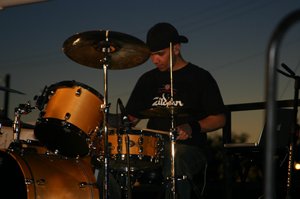
If you want to become a strong, confident drummer, the secret is consistency—a dedicated daily drum workout routine. Whether you’re behind a full kit or practicing on a pad, what you do every day will shape your speed, groove, and musicality for years to come. For absolute beginners, you might also check out How to Play Drums for Beginners: Learn Easy Drum Basics to set a solid foundation.
- Rapidly build hand and foot technique with structured exercises
- Develop consistent timing, control, and stamina for real-world performance
- Transform your habits and mindset so you practice smarter every single day
Your commitment is the engine—this daily routine is your roadmap. Ready to take your drumming from casual to committed? Let’s dive in and build your best drumming self—one workout at a time.
- Why a Daily Drum Workout?
- The Core Drum Warmup
- Technique-Building Exercises
- Groove and Timing Work
- Putting It All Together: The Sample Routine
- Ideal Gear and Practice Tools
- Conclusion
- FAQs
Suggested Products to help you #win at drumming:
-
Donner DED-80 Electric Drum Set for Beginners
– Practice anytime without disturbing the neighbors and develop your skills on a versatile full electronic kit that motivates consistent daily play. -
Evans Realfeel 2-Sided Practice Pad
– Build your hand technique and control quietly with responsive playing surfaces that help translate pad workouts to your drum set. -
Alesis Drummer’s Toolkit Portable Drum Stand
– Securely mount your practice pad or electronic snare at the right height to keep your posture correct and maximize the effectiveness of your daily routine. -
Tama HP200P Iron Cobra 200 Single Pedal
– Smooth pedal action is essential for building strong bass drum technique—ideal for dedicated workout sessions and improving your groove.
Why a Daily Drum Workout?
After decades of teaching, I can confidently say the drummers who practice daily—no matter their starting skill—make quantum leaps compared to “weekend warriors.” Why? Your mind and body need repetition to embed complex patterns, whether that’s precise single strokes or dynamic fills. For extra insight, check out Best Drum Practice Routine for Faster Skills & Timing Mastery.
A dedicated daily workout routine also keeps you motivated and tracks your progress in measurable ways. Even short sessions (15–30 minutes) done every day build confidence, making gigs, jams, and recording sessions far less intimidating.
From locking your timing to expanding your rhythmic vocabulary, daily workouts transform frustration into skill and open doors to musical creativity.
The Core Drum Warmup
Think of your warmup as an insurance policy: it prevents injury, wakes up your reflexes, and mentally shifts you into “practice mode.” Spend 5–8 minutes working through these essential movements before diving deeper. For more ideas, see 10 Powerful Drum Warm Ups to Boost Speed and Control.
- Basic Stick Pathways: Slowly alternate single strokes (RLRL) and double strokes (RRLL) at a comfortable tempo. Focus on relaxed wrists and even sound.
- Finger Control: Squeeze out buzz rolls to connect stick rebound with finger response. This builds nuanced dynamic control.
- Heel-Down Pedal Taps: Lightly tap your bass drum—heel down—for control and to get your legs moving before faster stuff.
Warming up sets the foundation for productive, focused practice—not only physically, but psychologically.
Technique-Building Exercises
Every great drummer spends focused time drilling the mechanics—hands and feet. Here’s how to split your daily session for maximum benefit:
Hand Workouts
Use your snare or a solid practice pad (such as an Evans Realfeel 2-Sided Practice Pad) and play with a metronome:
- Single Strokes: RLRL. Start slow, build to brisk tempos, and vary the dynamics. Try 60 seconds at three different speeds.
- Double Strokes: RRLL. Aim for clean, even doubles—focus on finger stroke development for speed. You might try a few Unlock Faster Hands: Best Drumming Speed Drills That Work for extra practice ideas.
- Paradiddles: RLRR LRLL. Practice accenting the first note and play both slow and fast. Listen for clean transitions.
This targeted hand work strengthens muscles, increases accuracy, and develops muscle memory for fills, grooves, and solos.
Foot Workouts
Your feet are your engine. With a quality pedal—like the Tama HP200P Iron Cobra 200 Single Pedal—and a metronome:
- Single Strokes on the Kick: Alternate foot taps, keeping the motion smooth and relaxed. Try 60 seconds at various tempos.
- Hi-Hat Pedal Chicks: Practice sharp, even chicks with the foot only (no sticks), building coordination and timing.
- Kick + Hat Combinations: Alternate between kick and hi-hat with each hand pattern for total limb independence.
These drills improve bass drum speed, stamina, and overall coordination—key for everything from rock to jazz to hip-hop.
Groove and Timing Work
Technique alone doesn’t make a great drummer; groove and time do. Dedicate a chunk of your daily workout to building these crucial skills:
- Metronome Drills: Set a tempo and play basic eighth-note grooves. Listen for “locked in” feel, keeping snare and kick in sync with the click.
- Swing and Shuffle Variations: Change subdivisions to develop feel. Play straight, then add a swung or shuffled rhythm—listen deeply.
- Breakdown Practice: Focus on one limb at a time (e.g., just hi-hat patterns) to spot timing weak spots.
If you have access to an electronic kit, like the Donner DED-80 Electric Drum Set for Beginners, use in-built coach features or recording to analyze your progress after each session.
Putting It All Together: The Sample Routine
Here’s a balanced daily drum workout, designed to fit into just 30 minutes. Adjust times to fit your life, but aim for consistency above all.
| Segment | Time | Focus |
|---|---|---|
| Warmup | 5 min | Loosen up hands and feet; readiness and awareness |
| Hand Technique | 8 min | Single strokes, doubles, paradiddles with metronome |
| Foot Technique | 7 min | Bass drum singles, hi-hat exercises, foot combos |
| Groove & Timing | 7 min | Groove with click, work on shuffle/swing, breakdowns |
| Wrap-up Jam | 3 min | Play your favorite groove or fill—have fun |
Track your improvement by logging tempos, reps, and challenges each day. Celebrate small “wins”—they add up fast!
Ideal Gear and Practice Tools
You don’t need a massive drum set to establish powerful habits—a few key tools will take your daily routine much further. For posture and ergonomics advice, see Drum Ergonomics Tips for Drummers: Play Longer, Pain-Free.
- Practice Pad: A two-sided pad offers different responses; mount it on a sturdy stand like the Alesis Drummer’s Toolkit Portable Drum Stand for proper posture.
- Quality Pedal: Responsive pedals like the Tama HP200P Iron Cobra 200 Single Pedal are essential for foot development—avoid wobbly hardware!
- Electronic Kits: Quiet, versatile, and space-saving, an electronic kit such as the Donner DED-80 Electric Drum Set for Beginners helps you practice anytime, tracking progress and variety.
Commit to reliable tools that motivate you to practice every day—choose gear that feels good in your hands and feet and supports your journey.
Conclusion
A daily drum workout routine is the cornerstone of every great drummer’s development. By working on technique, timing, and musicality each day, you set yourself up for steady growth and musical adventure. Whether you use a full kit, a practice pad, or just your feet, consistency wins.
Try today’s sample routine, explore the suggested products that fit your practice space, and subscribe for more in-depth lessons. Take action now—the next groove you play might be your best yet.
FAQs
How long should my daily drum workout routine be for effective skill building?
Most drummers benefit from a focused session of 20–30 minutes every day. Short but consistent practice, especially with a structured drum workout, yields better results than sporadic marathon sessions. Quality matters more than quantity, so stay engaged and be intentional each time you play.
Do I need an electronic drum set for daily practice at home?
While not essential, an electronic drum set allows you to practice quietly and track your progress digitally. If noise or limited space are concerns, something like the Donner DED-80 Electric Drum Set for Beginners can be a game-changer for consistent daily drumming. Otherwise, a practice pad and solid pedal setup work well too.
What are the most important drum rudiments for beginners?
Start with single strokes, double strokes, and paradiddles—these form the foundation of nearly every drumming style. Mastering these core patterns boosts hand technique, coordination, and dynamic control for all drum grooves and fills. Make them a part of your daily routine.
How can I keep time better when practicing drums?
Always practice with a metronome or backing track to build your internal clock. Focus on locking your snare, kick, and hi-hat to consistent subdivisions and occasionally record your practice for feedback. Over time, consistent timing becomes second nature, essential for performing with other musicians.
Are practice pads effective for building real drum set technique?
Yes—practice pads let you build hand speed, precision, and muscle memory while minimizing noise. Pads like the Evans Realfeel 2-Sided Practice Pad offer realistic rebound, making the transition to the drum set smoother. Stick control and rudiments translate directly to full-kit performance.
Should I log my daily drum workouts or just practice by feel?
Tracking your workout routines—even briefly—helps cement goals and measure progress. Notes on tempos, reps, or challenges overcome add structure and keep you motivated. Many drummers find progress journals encouraging, especially during plateaus.
What’s the best way to improve my bass drum foot speed?
Dedicated foot drills with consistent pedal technique build speed and control. Use a quality pedal, such as the Tama HP200P Iron Cobra 200 Single Pedal, and practice various subdivisions with both heel-down and heel-up approaches. Gradually increase your tempo as you become more comfortable.