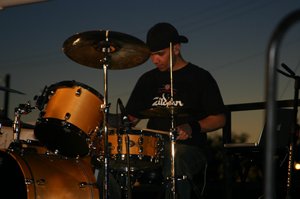
Modern drumming isn’t just about sticks, skins, and speed—technology opens incredible creative doors, and electronic drum triggers are one of the game-changers every aspiring drummer should know. Whether you want endless sonic possibilities or rock-solid gig versatility, understanding drum triggers can level-up your playing and your sound. If you’re just getting started with the fundamentals, check out How to Play Drums for Beginners: Learn Easy Drum Basics for a solid foundation.
- Tap into electronic samples and effects with your acoustic kit—without losing your feel or dynamics.
- Practice silently at home or craft powerful hybrid setups for the stage with minimal hassle.
- Unlock creative rhythmic layers and modern production techniques with simple upgrades.
If you’ve ever wondered how your favorite drummers blend thunderous acoustic energy with cutting-edge electronic sounds, the secret often lies in drum triggers. In this guide, I’ll break down what electronic drum triggers are, how they work, and how you can start using them to expand your own drumming universe.
- What Are Electronic Drum Triggers?
- How Do Drum Triggers Work?
- Types of Drum Triggers
- Benefits of Using Drum Triggers
- Choosing and Setting Up Drum Triggers
- Pro Tips for Getting the Most from Drum Triggers
Suggested Products to help you #win at drumming:
-
“Roland RT-30HR Dual Trigger”
– Easily blend acoustic and electronic sounds on your snare or toms for dynamic hybrid playing. -
“Roland RT-30K Kick Drum Trigger”
– Capture consistent, reliable bass drum signals for live gigs or silent practice. -
“Roland TM-2 Trigger Module”
– Instantly add pro sound samples and creative flexibility to your trigger setup. -
“Evans SoundOff Drum Mute Pack”
– Practice anytime with dramatic noise reduction and maintain proper stick feel.
What Are Electronic Drum Triggers?
Electronic drum triggers are small devices, usually attached to the shell or hoop of your drums, that sense when and how hard you strike your drumhead. They convert physical hits into electronic signals, which are then sent to a sound module or computer. In short, triggers turn your acoustic drumkit into a digital powerhouse—allowing you to trigger any sound imaginable, from authentic samples to futuristic effects.
This is how many top-level drummers layer massive electronic samples with their natural drum tone in arenas, studios, or even home setups. Triggers let you retain the feel and dynamics of your favorite acoustic shells, but with limitless sound expansion reachable at a tap. If you want to see how drum triggers fit into broader drum recording or hybrid setups, don’t miss How to Record Drums at Home Like a Pro (No Studio Needed).
How Do Drum Triggers Work?
The science behind drum triggers is surprisingly straightforward but powerful. Most triggers use a piezoelectric sensor—a type of crystal that generates voltage when vibrated. When your stick (or pedal) strikes the drum, the vibration is picked up by the piezo sensor, and the resulting signal is sent through a cable to a trigger module.
The module translates these signals into specific sounds, which you can then amplify, record, or blend with your acoustic tone. The response is almost instantaneous—with proper setup, there’s virtually no delay, allowing you to stay tight with the band or your practice tracks.
The Role of the Trigger Module
Think of the trigger module as the brain in your hybrid setup. This unit takes incoming signals from all your triggers and assigns sounds to each pad or drum. Entry-level modules might offer a handful of built-in drum and percussion sounds. Advanced modules, like the Roland TM-2 Trigger Module, let you load your own samples and effects via SD card or USB.
Types of Drum Triggers
Not all triggers work the same way—or for the same drums. Knowing the differences helps you select the best gear for your goals and budget. Here are the main types:
| Trigger Type | Typical Placement | Main Use |
|---|---|---|
| Single-Zone Trigger | Snare, Toms | Detects hits at one location (usually head) |
| Dual-Zone Trigger | Snare, Toms | Detects hits on head and rim for separate sounds |
| Kick Drum Trigger | Bass Drum | Accurately senses pedal hits |
| Internal Trigger | Inside Shell | Discreet; often for high-end custom setups |
| Clip-On/Bar Trigger | External | Quick, non-permanent mount—great for gigging |
Choosing the right trigger depends on where you want electronic sounds, your playing style, and how natural you want your kit to look and feel onstage.
Benefits of Using Drum Triggers
In my experience, integrating triggers can be transformative for any drummer—regardless of level or genre. Here’s why:
- Unlimited Sounds: Instantly swap between classic kits, electronic beats, or wild effects without changing your physical drums.
- Consistent Recording: Tired of inconsistent snare takes? Triggers make it possible to layer punchy samples with your own touch, solving mix problems in live or studio settings.
- Practice Freedom: Combine something like an Evans SoundOff Drum Mute Pack with triggers and modules for low-volume, late-night practice that feels authentic—but won’t annoy the neighbors.
- Hybrid Versatility: Modern gigs often demand both acoustic power and electronic flexibility. Triggers (paired with the right modules or drum pads) empower you to meet any demand with one kit.
- Stage Consistency: No more worrying about mics missing a hit—your triggered sounds fire every time, making your performances more reliable and punchy.
This power-to-flex can fuel creative breakthroughs—think layering a bright clap over every snare hit, or adding sub-bass on every kick for pure venue-shaking power. If you’re working on your timing along with your triggers, you might like Master Drum Timing Skills: Boost Speed, Precision & Control as the perfect timing companion.
Choosing and Setting Up Drum Triggers
Set yourself up for success by making a few key choices. Start with what you want to achieve: do you need one electronic accent, or are you building a full hybrid kit? Reliable options like the Roland RT-30HR Dual Trigger and Roland RT-30K Kick Drum Trigger are popular with pros and beginners alike because they’re straightforward to mount and extremely responsive.
Here’s a quick start setup path I recommend:
- Pick Your Drums: Most drummers start with the snare or kick for the largest impact. (Snare triggers offer creativity; kick triggers offer power and consistency.)
- Select Triggers: Choose dual-zone (head/rim) if you want distinct sounds on a single drum. Single-zone is perfect for straightforward electronic layering.
- Mount Carefully: Attach triggers according to the manufacturer’s instructions. Make sure they’re snug but not tight enough to dampen the drumhead’s movement.
- Add a Module: A module like the Roland TM-2 Trigger Module gives you hundreds of sounds, plus the flexibility to add your own samples as you grow.
- Dial In Sensitivity: Use your module’s menu to adjust trigger response for your playing style. Proper sensitivity ensures every ghost note, flam, or roll is accurately captured. To further master subtle groove elements, see Ghost Notes Drumming Explained: Master Subtle Groove Skills.
Don’t forget: always use quality cables and test your system before a big rehearsal or show. Minor setup tweaks make a major difference in responsiveness and reliability.
Pro Tips for Getting the Most from Drum Triggers
After years of touring, recording, and experimenting with countless hybrid rig combinations, here are the tips that make the biggest difference for any drummer using triggers:
- Layer, Don’t Replace: Let your acoustic sound blend naturally with triggered samples. The combination feels and sounds more “live” than fully electronic kits.
- Practice Silent—but Real: Use drum mute pads paired with triggers for dynamic, realistic practice at any hour. Your chops stay tight and your family stays happy.
- Customize Sounds for Each Gig: With a reliable trigger module, swap out samples for different gigs—rock, pop, worship, hip-hop—without swapping gear.
- Embrace Ghost Notes: Set your trigger sensitivity so that even the softest notes register. This keeps your groove and subtle technique intact.
- Stay Hands-On: Don’t be afraid to tweak module settings on break—every room and rig is different. Trust your ear as much as your eyes (or the manual).
Once you’re comfortable, try expanding your trigger setup to toms, percussion toys, or even cymbals. The right products—like those in the affiliate suggestions above—will grow with you as your confidence and style evolve. Want to elevate your warmup routine, which is key before experimenting with new gear? Here’s a guide: 10 Powerful Drum Warm Ups to Boost Speed and Control.
Conclusion
Electronic drum triggers are more than just “studio tricks”—they’re elevating drummers in every genre and at every level. By understanding how triggers work and applying a few strategic upgrades, you can open up entirely new creative territories and gigging opportunities. Start by trying a simple trigger-and-module combo, fine-tune your setup in practice, and let your sound blossom. Explore the recommended products, dig deeper into hybrid drumming, and subscribe for more guides to keep pushing your drumming forward—one trigger at a time.
FAQs
What is a drum trigger and how does it improve live drumming?
A drum trigger is a device that senses hits on your acoustic drum and sends electronic signals to a module for sound production. Triggers enhance live drumming by allowing you to blend powerful samples with natural drum sounds for consistently great performances—even in tricky sound environments.
Are electronic drum triggers good for practicing at home?
Yes! Pairing triggers with drum mute pads creates a low-volume practice setup without sacrificing feel. This allows you to practice your technique and dynamics quietly, making electronic drum triggers an excellent option for drummers who need to keep noise down.
Do drum triggers work with any acoustic drum kit?
Most clip-on or external triggers, like those from major brands, are designed to fit standard snare, tom, or kick drums. Always check compatibility and mounting options for your kit. Internal triggers may require some installation experience or professional setup.
How do I avoid double triggering or missed notes with drum triggers?
The key is careful placement and sensitivity adjustment within your module. Use strong cables, follow the manufacturer’s instructions, and tweak settings during soundcheck to ensure every stroke is cleanly picked up without accidental false triggers. Regular testing keeps your performance reliable.
Can drum triggers be used for recording in a home studio?
Absolutely. Triggers provide consistent, clean signals for layering samples or replacing weak acoustic takes. Many modern drummers use triggers in their home studios to achieve professional-sounding drum tracks with minimal fuss.
What’s the difference between single-zone and dual-zone triggers?
Single-zone triggers sense hits on one part of the drum (usually the head), while dual-zone triggers can differentiate hits on the head and rim. This allows you to trigger separate electronic sounds from each area, increasing expressiveness and flexibility.
Are drum triggers only for advanced drummers?
No! Triggers are beginner-friendly and adaptable. Whether you want subtle extra textures or a full-blown hybrid kit, electronic drum triggers are easy to integrate at any skill level. Start simple and expand your setup as your needs and creativity grow.
What gear do I need to start using drum triggers live?
At a minimum, you’ll need a drum trigger (snare or kick), a compatible trigger module, and cables to connect them. For quiet practice, add drum mute pads. Products like the Roland RT-30HR Dual Trigger and the Roland TM-2 Trigger Module are excellent starting points for live and studio use.