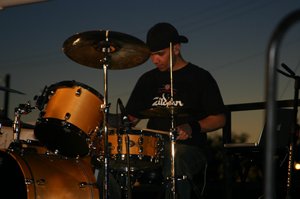
When you think of drummers who truly move you, it’s not just about speed or flashy fills—it’s about how they make the music breathe. That magic lies in mastering drumming dynamics: the essential skill of controlling loudness, softness, accents, and subtle nuances across everything you play.
- Express yourself more musically by mastering both soft and powerful strokes.
- Enhance your groove so bands and audiences lock in to your playing.
- Avoid sounding robotic—develop the touch and control that separates pros from beginners.
Ready to unlock musical emotion at the kit? In this guide, we’ll explore the basics of learning drumming dynamics, practical techniques, exercises, and tips for sounding more like your favorite drummers—both live and in the studio. If you’re just starting out, you might also enjoy our guide on How to Play Drums for Beginners: Learn Easy Drum Basics for foundational tips.
- Understanding Dynamics in Drumming
- Why Dynamics Matter for Every Drummer
- Essential Dynamic Techniques: Basics to Practice Today
- Top Practice Tools and Products for Dynamic Control
- Applying Dynamics in Real-World Playing
- Conclusion
- FAQs
Suggested Products to help you #win at drumming:
-
Practice Pad for Beginners
– A practice pad lets you work on dynamic control and stick height anytime without disturbing others. -
Vic Firth American Classic Drumsticks
– A reliable pair of sticks helps you feel stick rebound and nuance, essential to precise dynamic playing. -
Electronic Drum Kit Starter Set
– Practice quietly and dial in velocity sensitivity, crucial for hearing your dynamic range in detail. -
Drum Dampening Gels
– Easily control overtones and help your ear focus on playing at different volume levels cleanly.
Understanding Dynamics in Drumming
Dynamics are the heartbeat of musical expression on the drums. They’re all about how loud or soft you strike each drum or cymbal—and, equally important, how you transition between those volumes. Great drummers can shift effortlessly from ghost notes on the snare to thunderous crashes, adding character and conversation to the music.
Mastering dynamics means practicing everything from pianissimo (very soft) to fortissimo (very loud), plus all the shades between. The more control you have, the more colors you can paint with—no matter your musical style. If you’re looking for more ways to fine-tune your technique, be sure to check out Top Drumming Speed Drills to Boost Speed and Precision Fast for essential exercises.
Basic Dynamic Levels Defined
| Level | Description | Drumming Example |
|---|---|---|
| Pianissimo (pp) | Very soft | Delicate ghost notes or light brushwork |
| Piano (p) | Soft | Subdued hi-hat grooves or rim clicks |
| Mezzo Piano (mp) | Moderately soft | Grooves that sit back in the mix, controlled backbeat |
| Mezzo Forte (mf) | Medium loud | Most standard rock/pop grooves |
| Forte (f) | Loud | Powerful fills and accented crashes |
| Fortissimo (ff) | Very loud | Anthemic choruses and drum breaks |
Why Dynamics Matter for Every Drummer
Good drumming isn’t about playing everything at the same volume. Imagine a band where every note is equally loud—it quickly wears out listeners and robs the music of emotion. Dynamics add shape, excitement, and depth to every style, from jazz to metal. To discover more about the drummer’s vital role, read Drummer Role in a Band: Why They’re the Backbone of Music.
- Band Respect: Playing too loud can drown out other instruments, while being too quiet makes it hard to drive the groove. Balance is key.
- Expressiveness: The ability to play dynamically lets you respond to the music and add genuine feeling.
- Versatility: Gigs and recording sessions often require quick adjustments in volume and touch, especially if you’re switching between genres or ensemble sizes.
Most top drummers work hard at dynamic control. It’s a learned skill that makes your playing stand out—and bandleaders will notice.
Essential Dynamic Techniques: Basics to Practice Today
Whether you’re practicing on a kit, an electronic set, or a quiet pad, you can build dynamic skills right away. Here are some essential foundational techniques every drummer should master:
1. Stick Height Control
Learn to deliberately vary the stick height for each note. Higher stick lifts create louder strokes, while keeping sticks closer to the head yields softer sounds. Practice playing a basic groove, exaggerating the differences between backbeats (louder) and ghost notes (softer) on the snare.
2. Accents and Ghost Notes
Accents are notes you intentionally play louder to make them stand out; ghost notes are ultra-soft, almost whispered on the drum. Combine them in any beat or fill to add texture and depth. Try accenting the second and fourth snare hit in a groove, while ghosting other strokes in between. Want to explore more about ghost notes? Visit Ghost Notes Drumming Explained: Master Subtle Groove Skills.
3. Practicing with Velocity-Sensitive Pads/Kits
Using a Practice Pad for Beginners is great for home practice because you can focus on stick technique and subtle volume differences. An Electronic Drum Kit Starter Set allows you to hear dynamic nuances—electronic kits often respond to how hard you strike, making practice more realistic and revealing where your control needs work.
4. Muting and Control Accessories
Using Drum Dampening Gels or similar tools on your drums can help you focus your sound and make dynamic differences more noticeable. Try muting your snare or toms during practice—this makes every stroke count, forcing you to exaggerate your softest notes and control your loudest hits.
5. Alternate Stick Grip and Rebound
Experiment with matched and traditional grip to find what gives you the most dynamic flexibility. Work on “letting the stick do the work”—rebound naturally carries through soft and loud playing, which is crucial for effortless dynamic control.
Top Practice Tools and Products for Dynamic Control
The right gear can make dynamic practice easier and more productive. Here are a few tools used by pro drummers and teachers:
- Practice Pad for Beginners: Ideal for isolating hand technique and listening for evenness at different volumes.
- Electronic Drum Kit Starter Set: Allows for practice at any hour, offers instant feedback, and helps you “see” your dynamics as well as hear them.
- Vic Firth American Classic Drumsticks: Known for balanced feel, making it easier to develop touch for a full range of dynamics.
- Drum Dampening Gels: Simple and affordable way to clarify your drum sound and train your ear for small dynamic differences.
No matter where you practice, these tools help reinforce skills you’ll use on every stage and in every studio session. If you want a structured daily approach to improve all your drumming fundamentals, check out Daily Drum Workout: Boost Speed & Control with Pro Drills.
Applying Dynamics in Real-World Playing
Once you’ve developed control in the practice room, it’s time to bring dynamics to your music. Here’s how:
- During Band Practice: Watch and listen to the other musicians. Adjust your playing—play softer during verses, build up on choruses, and always leave space for vocals or solos.
- On Stage: Dynamics create intensity and audience connection. Don’t just play louder in every loud song; think about where accents and softer touches can add surprise and emotional lift.
- Recording: Producers love drummers who can mix themselves—playing to the room, the music, and the mic placement.
Pro tip: If you have access to an Electronic Drum Kit Starter Set, record yourself playing both soft and loud. Listen back—are you really creating contrast? If you use Practice Pad for Beginners or Vic Firth American Classic Drumsticks, focus on stick heights and articulation. Small adjustments here can make the biggest impact on your final sound.
Conclusion
Mastering the basics of drumming dynamics is one of the most powerful ways to transform your playing—giving you command over every groove, fill, and song. Whether you’re working on a practice pad, a full acoustic kit, or an electronic setup, focus on these techniques every session.
Start with the stick-height exercise or accent/ghost note patterns covered above. Consider adding recommended tools like Practice Pad for Beginners, Vic Firth American Classic Drumsticks, or an Electronic Drum Kit Starter Set to your practice routine to make the most of your time at the kit.
If you found this guide helpful, try these exercises today and subscribe for more inside tips. Remember: the best drummers are always refining their touch—so keep listening, experimenting, and building your musical voice through dynamic mastery!
FAQs
How do dynamics improve a drummer’s musicality?
When you play with varied dynamics, you add life, emotion, and pacing to your drumming. This helps your drumming fit better with the rest of the band and makes every groove and fill more engaging for your audience. Dynamic drumming sets professionals apart by giving their performances depth and feeling.
What is the best way to practice advanced dynamic control?
Work with a variety of practice setups—like using a practice pad, electronic drum kit, and your main kit. Slow, focused repetition of stick height variation and accent/ghost note exercises is key. Over time, your fingers and wrists develop the control needed for expressive drumming in any style.
How do I control drum volume in a small room or apartment?
Using products like Drum Dampening Gels or a Practice Pad for Beginners keeps your practice quiet while letting you focus on dynamic accuracy. Electronic kits are also fantastic—they allow you to turn down the volume while working on your drumming dynamics.
Are electronic drum kits good for dynamics practice?
Absolutely! An Electronic Drum Kit Starter Set responds to how you strike the pads, letting you practice loud and soft playing with immediate feedback. Use these kits to record and analyze your dynamic range for better control when you move to an acoustic kit.
What genres require strong dynamic control?
Jazz drumming is famous for its dynamic demands, but funk, pop, acoustic rock, and even metal require dynamics too. Any style with musical layers and emotional nuance will benefit from a drummer who can play with conviction at both soft and loud volumes.
Why do instructors emphasize ghost notes so much?
Ghost notes train your touch and wrist control, helping you develop finesse. Incorporating ghost notes makes grooves feel deeper and more nuanced, which is vital for styles like funk, R&B, and fusion. They’re a cornerstone of advanced dynamic drumming technique. You can get a deeper dive in Ghost Notes Drumming Explained: Master Subtle Groove Skills.
How do stick choice and drumsticks like Vic Firth American Classic Drumsticks affect dynamics?
Quality drumsticks, such as Vic Firth American Classic Drumsticks, provide a balanced feel and good rebound—making it easier to play soft and loud with control. Stick choice influences how naturally you can achieve subtle or powerful strokes, so experiment to find what suits your hands and style.