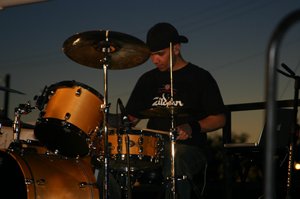
Every world-class drummer, from stadium-fillers to underground groove legends, started with the same foundation: building effective drum practice routines. Unlocking your musical potential behind the kit doesn’t come from talent alone—it’s crafted through mindful, focused, and consistent practice that steers progress and keeps you inspired for the long haul.
- Accelerate your technical growth and confidence with purposeful routines designed by drumming pros.
- Break through plateaus by mastering essential exercises for coordination, speed, and control.
- Transform your passion into steady improvement—whether you jam at home or aspire to the stage.
If you’re an aspiring drummer, this tutorial will guide you through the exact steps, real practice strategies, and professional insights to create a routine that fuels results and keeps drumming exciting. Let’s dive into building a practice schedule tailored for steady gains—and pure fun every time you sit at the kit. If you’re new, don’t miss our How to Play Drums for Beginners: Learn Easy Drum Basics guide for foundational tips.
- Why Practice Routines Matter
- Core Elements of an Effective Drum Practice Routine
- Sample Drum Practice Schedule
- Pro Tips for Making the Most of Your Practice Time
- Conclusion
- FAQs
Suggested Products to help you #win at drumming:
-
Evans Realfeel 2-Sided Practice Pad
– Perfect for practicing rudiments quietly at home or warming up before gigs to build speed, accuracy, and control. -
Vic Firth American Classic 5A Drum Sticks
– A reliable choice for drummers of all levels, helping you execute every exercise with consistency and balance. -
Roland TD-02K Electronic V-Drums Kit
– Unlocks silent, expressive practice at home with dynamic pads and a compact setup that’s beginner-friendly. -
Yamaha Stage Custom Birch 5pc Shell Pack
– Invest in a classic acoustic sound and responsive kit to fuel long-term motivation and accommodate any routine. -
Korg MA-2 Digital Metronome
– Essential for developing timing, this tool anchors your routine with steady tempo guidance for every practice session.
Why Practice Routines Matter
Ask any touring pro or teacher: the real secret to drumming mastery is intentional, repeatable practice—not aimless playing. Structured routines provide focus, accelerate progress, and foster dependable technique by ensuring every key element gets attention, every time. It’s the daily habits, not rare flashes of inspiration, that turn drumming dreams into real skills.
Consistency is everything. When you show up to practice with a plan, you avoid wasted time and frustration. Each session builds upon the last, giving you clear benchmarks to celebrate and areas to improve. Over time, even small daily efforts add up to huge breakthroughs, setting you apart from the crowd. Explore 10 Powerful Drum Warm Ups to Boost Speed and Control for more ways to make every session count.
Core Elements of an Effective Drum Practice Routine
A top-tier drum practice routine hits four main areas. By addressing each consistently, you ensure complete growth—not just chops, but musicality and versatility too. To dig deeper, take a look at our Best Drum Practice Routine for Faster Skills & Timing Mastery resource.
| Routine Component | What It Develops | Pro Example |
|---|---|---|
| Warm-Up & Technique | Speed, endurance, grip, and stick control | Rudiments on a pad (try single/double strokes before moving to the kit) |
| Grooves & Coordination | Independence, steady time, and muscle memory | Practice basic rock/funk beats, then add fills in-between patterns |
| Reading & Repertoire | Musicality, adaptability, and song learning | Work through notated exercises or practice transcribing drum parts |
| Creative Application | Improvisation, originality, and performance skills | Jam with backing tracks or improvise over favorite songs |
Even pro drummers revisit the basics. Whether you target hand technique with an Evans Realfeel 2-Sided Practice Pad, work on kit coordination using the Roland TD-02K Electronic V-Drums Kit for quiet home sessions, or elevate your acoustic groove on a Yamaha Stage Custom Birch 5pc Shell Pack, having the right gear helps make every exercise count. Don’t forget your favorite sticks—like the Vic Firth American Classic 5A Drum Sticks—for consistent feel and rebound during routines.
Sample Drum Practice Schedule
No matter your skill level, you’ll progress fastest with a schedule that’s regular, realistic, and enjoyable. Here’s a sample one-hour session to get you started (adjust timing to fit your availability):
- 5 minutes: Gentle warm-up—stretch wrists, fingers, and ankles before starting.
- 15 minutes: Stick control, rudiments, or pad exercises (use a metronome like the Korg MA-2 Digital Metronome to lock in tempo).
- 15 minutes: Practice core grooves—rock, funk, jazz, or any genre you love. For help mastering those grooves, check out Master Rock Drumming Techniques: Pro Tips for Killer Grooves.
- 10 minutes: Learn a new fill, phrase, or short piece of a song.
- 10 minutes: Put it all together: improvise, jam with music, or record yourself and assess.
- 5 minutes: Cool down, review what worked, and set a goal for your next practice.
If you can only spare 20–30 minutes, just divide the elements proportionally. Remember, quality beats quantity—focused, distraction-free work pays off more than long, unfocused sessions.
Pro Tips for Making the Most of Your Practice Time
With decades of experience in both the studio and on the road, I’ve learned these habits turn good sessions into great ones:
- Pace Yourself: Set a timer and switch topics every 10–20 minutes to keep energy high and avoid monotony.
- Use a Metronome Faithfully: Practicing with a metronome polishes your sense of time and makes your playing gig-ready. The Korg MA-2 Digital Metronome is portable and user-friendly, suitable for home or rehearsal spaces.
- Stay Accountable: Record your practice or keep a journal with notes—what felt solid, what needs work, and breakthrough moments. See Drum Practice Routine Basics for Faster Skill Progression for more ideas.
- Alternate Surfaces: Combine work on a practice pad for finesse (great with the Evans Realfeel 2-Sided Practice Pad) and full-kit drills for coordination and stamina.
- Rotate Your Routine: Every few weeks, shuffle the order or try new exercises to challenge your brain and body.
- Enjoy the Process: Mix your favorite tracks into your routine, let yourself improvise, and celebrate small wins.
Most importantly: make practice a habit, not a chore. Drumming is a lifelong adventure—a series of mini-milestones that builds your unique musical voice.
Conclusion
A well-planned drum practice routine is your ticket to measurable progress, confidence at the kit, and more joy from every moment behind the drums. Whether you’re fine-tuning stick technique, getting creative with fills, or conquering new grooves, routine turns aspirations into action—and action into real results.
Start with just 15–30 minutes a day. Try out one suggested technique or routine idea, and explore recommended tools like practice pads, sticks, or digital metronomes to enhance your journey. Hungry for more? Subscribe or check back for in-depth guides and top picks for drumming gear—your future chops are only a routine away!
FAQs
How do I build a beginner drum practice routine?
Begin with short, focused segments—warm-ups, basic grooves, and simple fills. Use a metronome to develop timing. As your skills improve, gradually introduce more advanced techniques and split your time evenly between hands, feet, and musical play-alongs.
What equipment do I need for home drum practice?
An electronic kit like the Roland TD-02K Electronic V-Drums Kit is great for silent work at home, or you can start with a practice pad and drum sticks. Essential tools such as a digital metronome and sturdy sticks like the Vic Firth American Classic 5A Drum Sticks help keep sessions consistent and effective.
How do I avoid getting bored or stuck in a drum routine?
Rotate your practice exercises, experiment with new genres, and set weekly goals. Jamming to backing tracks, transcribing songs, or trying different practice pads (like the Evans Realfeel 2-Sided Practice Pad) can reignite your interest and creativity.
How long should I practice the drums each day?
For most beginners and intermediates, aim for 20–60 minutes per day. The key is quality over quantity—consistent, focused practice, even in short sessions, leads to better progress than occasional long ones.
What’s the role of a metronome in my drum practice routine?
A metronome like the Korg MA-2 Digital Metronome keeps your timing precise and builds internal rhythm. Practicing with a metronome helps you play tight in any band or recording situation—a must for every aspiring drummer.
How do I set goals for my drum practice?
Break big dreams into small, actionable goals—like nailing sixteenth-note singles at a new tempo, or learning a favorite song’s beat. Track your progress and celebrate achievements, staying motivated for steady growth.
What are the best warm-up exercises for drummers?
Start with finger, wrist, and ankle stretches, then move to slow rudiments (singles, doubles, paradiddles) on a pad. Gradually increase speed, focusing on even strokes and relaxed motion for injury prevention and control.
Is it better to practice on an electric kit or acoustic drums?
Both have unique benefits. Electric kits are quiet and practical for home, letting you focus on technique anytime. Acoustic sets build power and touch for live performance. Using both (if you can) brings out the best in your practice routine.