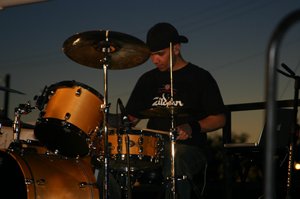
Every drummer who’s ever picked up a pair of sticks has heard about the paradiddle—but what’s the real story behind this classic sticking, and why does it matter so much? Whether you’re just starting out or hoping to sharpen your chops, mastering the paradiddle will unlock a world of control, speed, and musicality on the drum set.
- Build stronger hand coordination and technique using proven rudiments.
- Apply paradiddles to beats, fills, and solos for new creative options.
- Accelerate your practice efficiency with targeted exercises and gear upgrades.
So, what is a paradiddle in drumming, and how can you use it to level up your playing? In this guide, you’ll discover the origin, structure, applications, and next steps for integrating paradiddles into your everyday drumming toolkit. For those just starting out, check out How to Play Drums for Beginners: Learn Easy Drum Basics for foundational skills that pair perfectly with paradiddle practice.
- What Is a Paradiddle?
- Paradiddle Basics and Stickings
- Why Paradiddles Matter for Drummers
- Gear Tips for Paradiddle Practice
- How to Practice Paradiddles Effectively
- Using Paradiddles in Music
- Conclusion
- FAQs
Suggested Products to help you #win at drumming:
-
Evans RealFeel 2-Sided Practice Pad
– Ideal for building paradiddle technique, this practice pad keeps your chops sharp anywhere. -
Vic Firth American Classic 5A Drum Sticks
– Trusted by drummers everywhere, these sticks offer consistent balance during rudiment workouts. -
Drumeo Practice Pad Lessons Book
– Packed with structured exercises, this guide helps you master key drumming rudiments step-by-step. -
Roland SPD-SX PRO Sampling Pad
– Modern drummers can apply paradiddle skills to digital sample triggering and creative setups.
What Is a Paradiddle?
The paradiddle is one of drumming’s fundamental rudiments—a core sticking pattern every drummer should know. At its simplest, a paradiddle alternates single and double strokes in a repeating sequence: right-left-right-right, then left-right-left-left (for right-hand lead players). The unique pattern develops both hands evenly and builds the coordination essential for fluid, expressive drumming.
Rudiments like the paradiddle originated from military drumming traditions, helping players communicate commands and maintain cadence. Today, their practical value is even greater: paradiddles appear throughout music, from marching corps to blistering drum solos. If you master the paradiddle, you’ll have a versatile building block for countless grooves and fills. To build a comprehensive routine, consider reading Best Drum Practice Routine for Faster Skills & Timing Mastery for structured practice approaches.
Paradiddle Basics and Stickings
Understanding the basic structure of a paradiddle empowers you to unlock more advanced techniques. Here’s a closer look at the mechanics behind this classic rudiment:
| Rudiment Name | Sticking Pattern (R = Right, L = Left) |
|---|---|
| Single Paradiddle | R L R R | L R L L |
| Double Paradiddle | R L R L R R | L R L R L L |
| Triple Paradiddle | R L R L R L R R | L R L R L R L L |
The single paradiddle is the foundation of all paradiddle varieties. The “para-” refers to alternating hands (R L or L R), while “-diddle” means a double stroke (R R or L L). By mixing these motions, you strengthen your weaker hand, improve control, and prepare for musical situations that require switching directions or accents quickly.
Try playing the sticking on a practice pad using Vic Firth American Classic 5A Drum Sticks for a balanced, familiar feel. Focus on consistent volume and even timing between strokes.
Why Paradiddles Matter for Drummers
Seasoned drummers will tell you: the paradiddle is a real-world powerhouse. You’ll often find it lurking inside complex fills, creative grooves, and jazz solos. Here are a few reasons paradiddles should be a top priority:
- Hand Independence: Alternating and doubling strokes forces each hand to contribute evenly, making your playing more balanced and dynamic.
- Speed and Control: Efficient stickings help you play faster without sacrificing accuracy—a must for advanced drumming or high-tempo genres. If you’re focusing on speed, check out Top Drumming Speed Drills to Boost Speed and Precision Fast for exercises that complement paradiddle routines.
- Versatile Applications: The paradiddle’s sticking can be moved around the kit, split between hands and feet, or used to create ghost notes and dynamic textures.
- Creative Inspiration: Paradiddles are a launchpad for improvisation, helping you develop fresh rhythmic ideas and break free from basic rock beats.
Drummers rely on tools like the Evans RealFeel 2-Sided Practice Pad to drill paradiddles quietly and efficiently, enabling more practice time at home and on the road.
Gear Tips for Paradiddle Practice
Practicing rudiments is easier, more effective, and (let’s face it) more enjoyable with the right gear. Many teachers recommend:
- A high-quality practice pad for consistent rebound and low noise—essential if you share walls with non-drummers. The Evans RealFeel 2-Sided Practice Pad is a long-time favorite because it feels close to a real drum while being portable.
- Reliable drumsticks with a comfortable grip. The Vic Firth American Classic 5A Drum Sticks are a classic choice for their balance and durability.
- A structured lesson guide or book to organize your practice and introduce variations. The Drumeo Practice Pad Lessons Book offers a progressive roadmap, taking the guesswork out of which rudiments to focus on each session.
- For hybrid or electronic drummers, a versatile sampling pad like the Roland SPD-SX PRO Sampling Pad lets you trigger sounds using paradiddle stickings—great for modern stage or studio setups.
Regardless of which gear you choose, consistency is more important than any piece of equipment. Set up your tools in a dedicated practice space, and stick to a short daily paradiddle regimen for steady results. For tips on optimizing your practice setup and posture, see Top Drum Throne Essentials for Comfort & Perfect Posture.
How to Practice Paradiddles Effectively
Practicing paradiddles yields the best results when you combine repetition, variety, and attention to detail. Here’s a simple routine to get started:
- Start Slow: Use a metronome and play single paradiddles at a comfortable tempo, focusing on clean stickings and even sound.
- Accents and Dynamics: Accent the first note of each paradiddle for extra control. Try also accenting the doubles or the fourth note to expand your dynamic range.
- Move Around the Kit: Once comfortable, orchestrate the paradiddle between snare, toms, and cymbals. This opens up new creative possibilities and challenges your accuracy.
- Alternate Variations: Mix in double or triple paradiddles, inverted sticking (starting with the doubles), or substitute foot strokes for extra challenge.
- Track Your Progress: Use a practice log or a lesson book—such as the Drumeo Practice Pad Lessons Book—to stay organized and motivated.
Most importantly, practice with intention. Ten focused minutes every day will take you further than an hour of unfocused jamming. If you want additional ideas for efficient warmups, visit 10 Powerful Drum Warm Ups to Boost Speed and Control.
Using Paradiddles in Music
The true power of paradiddles becomes apparent when you apply them to real grooves and music. For example:
- Turn paradiddles into creative fills by splitting the sticking across snare and toms.
- Use paradiddle patterns to add ghost notes to funk or R&B grooves for extra texture.
- In modern or electronic music, trigger samples with the Roland SPD-SX PRO Sampling Pad using paradiddle-based movement for cutting-edge sounds.
- Play jazz ride patterns using paradiddle sticking on the ride cymbal and snare for classic swing phrasing.
Listen to your favorite drummers in rock, jazz, hip-hop, and fusion. Odds are, the paradiddle is hiding in their grooves or fills, lending both complexity and musical flavor.
Conclusion
The paradiddle is much more than a basic sticking—it’s a gateway to better technique, creativity, and overall musicianship. By making it a regular part of your practice routine, you’ll see improvements in speed, control, and musical vocabulary that translate directly to the drum kit. Don’t forget to explore the recommended gear: upgrading your practice pad, sticks, or lesson material can make your journey even more effective.
Ready to take action? Try a simple paradiddle today and feel the difference. Explore the suggested products for enhancing your setup, and subscribe or check out new drumming resources for targeted growth and inspiration. Your best drumming days are ahead—one paradiddle at a time!
FAQs
What makes the paradiddle a fundamental drumming rudiment?
The paradiddle is considered a core part of drum rudiments because it blends both single and double strokes, teaching control and hand independence. By mastering the paradiddle, drummers build the technical foundation needed for complex rhythms across all genres. This rudiment appears in countless drum exercises and songs.
How can I improve my paradiddle speed and endurance?
Speed and stamina come from slow, consistent practice with a metronome and gradual tempo increases. Focusing on relaxed wrists and using tools like the Evans RealFeel 2-Sided Practice Pad or Vic Firth American Classic 5A Drum Sticks helps build muscle memory and prevents injury over long sessions.
Where do paradiddles appear in real drumming music?
Paradiddles are used by top drummers in rock, jazz, funk, and fusion to create unique fills and intricate grooves. They are often orchestrated around the drum set in solos and can also be adapted for electronic drumming with products like the Roland SPD-SX PRO Sampling Pad.
Are there any books or guides that help with paradiddle practice?
Absolutely—using a lesson guide such as the Drumeo Practice Pad Lessons Book gives you a step-by-step framework to make progress with paradiddles. Following a curriculum can keep you on track and help introduce useful variations.
What is the best way to practice paradiddles quietly?
Employing a quality practice pad allows you to practice with minimal noise, making it suitable for apartments or late-night sessions. Many drummers combine their pad with noise-reducing sticks or rubber-tipped practice sticks for even quieter play.
Can paradiddles be incorporated into foot techniques?
Yes! Advanced drummers practice paradiddles between feet or combine them with hand stickings to create intricate limb independence exercises. This technique is especially useful for developing double pedal speed and creative drumset coordination.
Is learning the double or triple paradiddle necessary?
While the single paradiddle is essential, exploring double and triple paradiddles will vastly expand your rhythmic vocabulary. These variations challenge your timing and open doors for more creative phrasing—especially in drum solos and advanced compositions.