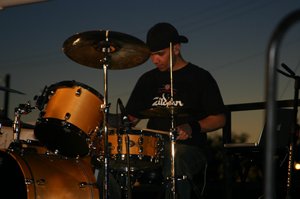
Every great drumming session starts before you hit your first beat: with intention, energy, and the right warm-ups. Whether you’re hitting practice pads at home or stepping behind the kit on stage, the best drummers know that a proper warm-up is the secret weapon for speed, stamina, and sharp technique. If you’re new to drumming, check out How to Play Drums for Beginners: Learn Easy Drum Basics for even more foundational tips.
- Reduce the risk of hand and wrist injuries by preparing your muscles and joints before intensive play.
- Unlock consistent power, speed, and control with proven exercises for both beginners and seasoned drummers.
- Boost focus and confidence so you hit each session or gig feeling ready, relaxed, and in the groove.
Let’s dive into the most effective drum warm-up techniques I’ve used and taught for decades—plus the gear that supports your journey. With the tips, routines, and products below, you’ll be primed for practice, performance, and real progress. Discover 10 Powerful Drum Warm Ups to Boost Speed and Control for more exercises and pro advice.
- Why Warm-Ups Matter for Drummers
- Foundational Warm-Ups: Building Technique and Muscle Memory
- Hand-Specific Warm-Ups for Drummers
- Foot and Leg Warm-Ups: A Drummer’s Powerhouse
- Gear to Improve Your Warm-Up Routine
Suggested Products to help you #win at drumming:
-
Evans RealFeel 2-Sided Practice Pad
– An essential practice pad for quiet, effective warm-ups anywhere; helps you develop control and precision before you hit the kit. -
Vic Firth American Classic Wood Tip Drum Sticks
– Trusted drumsticks that balance comfortable grip and clear articulation—ideal for warm-up drills and daily practice. -
Meinl Cymbals Percussion Foot Tambourine
– A fun, practical way to add groove and develop foot timing during your warm-up routines.
Why Warm-Ups Matter for Drummers
If you’ve ever jumped straight into a demanding song and felt stiff or sloppy, you’re not alone. Warming up is about more than just getting loose—it’s about conditioning your muscles, syncing your mind, and setting the stage for confident, creative playing. Experienced drummers know that quality warm-ups are the best insurance for longevity and growth. For a deeper dive into skill-building routines, see Best Drum Practice Routine for Faster Skills & Timing Mastery.
Muscular and neurological preparation lets your hands and feet respond instinctively when it counts. Plus, as you advance and tempos climb, even small lapses in technique or tension can lead to injury, fatigue, or poor sound. Prioritize warm-ups, and you’ll see immediate and long-term payoffs in control and creativity.
Foundational Warm-Ups: Building Technique and Muscle Memory
Great drum warm-ups aren’t just about warming muscles—they build critical technique and set your “drummer’s brain” into focus. Here are my top foundation-building warm-ups for sticks or pads:
1. The Full-Stroke Exercise
This exercise focuses on rebound and relaxation for wrists and fingers. Hold your sticks loosely, strike the pad with a full motion, and allow the stick to rebound naturally. Alternate hands in even eighth notes for 2–3 minutes.
- Keep grip relaxed; focus on rebound, not force.
- Start slow and gradually build speed while staying relaxed.
2. Single Stroke Roll Pyramid
Single strokes are a foundation for every drummer. Start at a slow tempo and play:
- 8 quarter notes (R L R L…)
- 8 eighth notes (R L R L… faster)
- 8 sixteenth notes (speed up further)
- Rewind the pyramid to slow back down.
This builds speed and control, training your timing as you shift gears. Always use a metronome for objective feedback. You can also explore Top Drumming Speed Drills to Boost Speed and Precision Fast to level up your speed and accuracy.
3. Paradiddle Medley
Paradiddles (RLRR LRLL) are legendary for hand independence. Repeat them slowly and evenly for 3–5 minutes. Want a challenge? Accent the first note of each four to unlock dynamics and hand coordination.
| Warm-Up | Primary Benefit | How Long? |
|---|---|---|
| Full-Stroke Exercise | Improves rebound & relaxation | 2–3 minutes |
| Single Stroke Roll Pyramid | Hand speed & timing | 5 minutes |
| Paradiddle Medley | Hand independence | 3–5 minutes |
Use a quality practice pad for these, such as the Evans RealFeel 2-Sided Practice Pad, to get realistic stick response without disturbing your neighbors.
Hand-Specific Warm-Ups for Drummers
Your hands do the intricate work, so smart drummers target flexibility, dexterity, and finger control. Here are two of my go-to routines. If you want expert guidance for building speed and fine control, see Unlock Faster Hands: Best Drumming Speed Drills That Work.
Finger Taps
With your stick resting on the pad, lift and “tap” each finger individually. Try this with both hands. It might feel awkward—good! This builds finger independence essential for quick fills and ghost notes.
Moeller Whip Strokes
Practice the classic Moeller whip motion: upstroke, downstroke, tap. Keep the wrist fluid. This is a favorite for jazz and gospel drummers aiming for fast, relaxed volume shifts. Try on a pad with a set of Vic Firth American Classic Wood Tip Drum Sticks—versatile options for beginners and pros alike.
Foot and Leg Warm-Ups: A Drummer’s Powerhouse
Too many drummers overlook their feet when warming up—until tightness or sloppy bass drum technique holds them back. Strong foot technique is key for double kick, funky hi-hat patterns, and overall stamina.
Heel-Up and Heel-Down Practice
Set your metronome, then alternate between heel-up (power) and heel-down (control) strokes for both feet. Focus on consistent volume and even timing.
- Start at slow tempos (around 60 bpm) for one minute each position.
- Mix in syncopated rhythms or “one-two-three-four, one-two” groupings to build endurance and attention.
Adding Percussion for Fun and Timing
Want to make foot warm-ups more engaging? Incorporate simple percussion like the Meinl Cymbals Percussion Foot Tambourine to add a jingle with every step. Not only does it boost your coordination, but it also sharpens timing by making every mistake audible.
Gear to Improve Your Warm-Up Routine
The best warm-ups are consistent—and that means being able to practice wherever you are. A compact, quality practice pad is every drummer’s best friend for warming up backstage, in a green room, or at home. The Evans RealFeel 2-Sided Practice Pad is excellent for realistic feel and low volume.
Pair it with reliable sticks (like Vic Firth American Classic Wood Tip Drum Sticks) that feel good in the hand, whether you’re drilling singles or perfecting Moeller strokes. If you’re looking for variety or want to make footwork fun, a Meinl Cymbals Percussion Foot Tambourine can turn daily warm-ups into mini performances, improving both coordination and creative groove.
Conclusion
Mastering your drumming craft starts with the right warm-up routine—focusing on muscle memory, control, and readiness. By mixing foundational exercises with hand- and foot-specific drills, you maximize every minute of practice. Invest in the right warm-up gear and watch your precision, power, and confidence soar.
Ready to take your drumming to the next level? Try one of these warm-ups today, check out the suggested gear to upgrade your routine, and subscribe for more exclusive drumming tips. Remember: your next breakthrough on the kit starts before you even hit a drum!
FAQs
What are the best warm-up exercises for beginner drummers?
For beginners, the most effective warm-up exercises are basic single strokes, paradiddles, and slow full-stroke rolls. These drills build core drumming technique and prepare your hands, wrists, and forearms for longer practice sessions.
How long should I warm up before drumming?
Most drummers benefit from 10–15 minutes of gradual, focused warm-ups. For gigging or longer session work, extending your warm-up to 20 minutes using a practice pad and metronome provides even better results.
How do drumsticks impact my warm-up routine?
The right drumsticks—like Vic Firth American Classic Wood Tip Drum Sticks—can make a huge difference in comfort and articulation. Heavier or balanced sticks are helpful for building strength; proper grip ensures injury prevention and consistent technique.
Which foot exercises help with bass drum speed and control?
Alternating heel-up and heel-down strokes, as well as metronome-based foot patterns, are proven for improving bass drum speed and accuracy. Try adding a foot tambourine to further refine your timing and coordination while warming up. For more on timing mastery, check out Master Drum Timing Skills: Boost Speed, Precision & Control.
Should I use a metronome during my warm-ups?
Absolutely! A metronome helps you develop steady timing and make real progress on speed and accuracy. Practicing with a metronome during warm-ups sets the standard for clean, professional playing in every style.
How can I make warming up before drumming more fun?
Mix things up by playing along with your favorite tracks, challenging yourself with dynamic exercises, or adding creative gear like a foot tambourine. Keeping warm-ups varied makes them enjoyable and keeps your brain engaged.
What should I bring to warm up before a live performance?
Always have a practice pad and sticks in your gig bag. A small percussion item for your foot can make warm-ups more effective backstage, and a metronome or drumming app helps with timing.