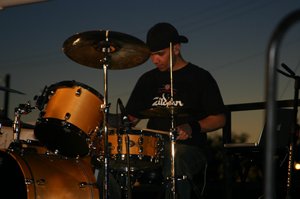
If you want to capture every snap, boom, and detail of your drum kit, great drum mics are essential. The right microphone setup can be the difference between a dull drum sound and recordings or live mixes that truly punch through. If you’re just starting out on your drumming journey, check out How to Play Drums for Beginners: Learn Easy Drum Basics to build a solid foundation.
- Get clear, controlled drum recording at home, on stage, or in the studio.
- Enhance your groove with pro-level sound quality and creative possibilities.
- Choose the right mics and techniques to fit your playing style and budget.
Whether you’re building your first drum mic setup or upgrading for gigs and sessions, this guide dives deep into the best drum mics, real-world setup advice, and pro tips that put you in control of your sound. Let’s unlock the potential of your drums together.
- Why Drum Mics Matter
- Types of Drum Mics
- Best Drum Mics by Application
- Top Drum Mic Options Compared
- How to Choose & Pro Tips
- Conclusion
- FAQs
Suggested Products to help you #win at drumming:
-
Shure PGA52 Cardioid Dynamic Kick Drum Microphone
– Bring energy and clarity to your bass drum with a reliable mic trusted by performers and engineers alike. -
Shure SM57-LC Cardioid Dynamic Microphone
– Count on this industry-standard mic for snare drums, toms, and more; ideal for versatile, professional sound. -
Samson C02 Pencil Condenser Microphones (Pair)
– Capture crisp overhead detail and cymbal shimmer for a balanced full-kit mix in any room. -
Shure DMK57-52 Drum Microphone Kit
– All-in-one kit for drummers seeking a practical, stage-ready solution for miking acoustic drums.
Why Drum Mics Matter
Every drummer knows the frustration of hearing a killer performance—then listening back and realizing your sound is lost in the mix. Drum microphones aren’t just for studios or touring pros: the right mic setup helps any drummer be heard clearly and musically, whether you’re laying down demos, streaming, or playing shows. If you also want to enhance your recording quality, take a look at How to Record Drums at Home Like a Pro (No Studio Needed) for essential tips.
Drum kits are especially demanding to mic: each drum produces different frequencies, volumes, and attack. The right microphones bring out the impact of your snare, the boom of your kick, and the shimmer of your cymbals, making you and your music stand out.
Investing in quality mics is a direct investment in your voice as a musician. As someone who’s played everything from jazz clubs to metal festivals, I’ve learned that a great drum sound can open doors (and ears) like nothing else.
Types of Drum Mics
Picking the best drum mic starts by understanding the key types, each designed for specific sounds and situations. Here’s what you’ll encounter in most pro and home studio setups:
Kick Drum Mics
The kick, or bass drum, needs a mic that handles low frequencies and high SPL (sound pressure level). Good kick drum mics focus tight punch and deep boom, often with built-in EQ curves for drum power.
Snare & Tom Mics
Dynamic microphones are the go-to for snare drums and toms thanks to their durability and quick attack. They handle rimshots, stick hits, and intense volume—essential for reliable live and studio work.
Overhead and Cymbal Mics
Condenser microphones are more sensitive and capture high-frequency detail. Pencil condensers (often sold in pairs) are perfect for overheads, bringing out the subtle sizzle of cymbals and the “air” of your kit’s full sound.
All-In-One Drum Mic Kits
For simplicity, drum mic kits package all your essentials—kick, snare/tom, and overhead mics—so you’re ready to start recording or gigging fast. These workhorses are excellent for efficiency and ease of setup.
Best Drum Mics by Application
Let’s highlight top picks that deliver in real-world settings—from home production to the stage. These are the mics I recommend most, used on countless sessions and gigs over the years:
- Kick Drum: The Shure PGA52 Cardioid Dynamic Kick Drum Microphone is a favorite for its deep, powerful response but doesn’t overpower the mix. It’s built to last through years of hard-hitting gigs.
- Snare & Toms: The Shure SM57-LC Cardioid Dynamic Microphone is the industry workhorse—snare hits and tom fills cut through mixes, and it withstands brutal playing. If you’re on a budget or want maximum flexibility, start here.
- Overhead Mics: A stereo pair like the Samson C02 Pencil Condenser Microphones adds clarity and “glue,” capturing the full flavor of your drums and cymbals. If you only buy one set of overheads, these deliver impressive results in any room.
- Drum Mic Kits: If you want a turnkey solution, look no further than the Shure DMK57-52 Drum Microphone Kit: it covers all major drum voices and gets you recording or gigging quickly, without the guesswork.
While there are other premium options, these classic choices have shaped the sound of thousands of drum tracks across genres. They’re accessible for beginners, yet trusted by experienced engineers and gigging pros alike. For a deep-dive into popular models, check out the Top 10 Drum Mics for Studio-Quality Sound in 2024.
Top Drum Mic Options Compared
Need a quick glance at how these drum mics stack up? Here’s a comparison of real-world use, benefits, and best-fit scenarios for each type.
| Microphone | Best Use | Why Drummers Love It |
|---|---|---|
| Shure PGA52 | Kick Drum (live & studio) | Delivers thunderous lows, reliable for energetic playing and easy mounting inside or outside the kick. |
| Shure SM57-LC | Snare, Toms, Percussion | Legendary for its punchy sound, ruggedness, and versatility. Survives the hardest hitters and tours. |
| Samson C02 Pair | Overheads, Cymbals, Hi-Hat | Bright and detailed—captures the nuance of cymbals and the energy of your whole kit. |
| Shure DMK57-52 Kit | Complete Drum Mic Setup | Hassle-free for all-in-one recording or gigging. Matches classic drum tones out of the box. |
If you’re just starting, you can confidently mix and match these mics to suit your setup and upgrade over time as your ear and needs grow. And if you want advice on choosing other studio gear, see the Top 7 Drum Recording Interface Picks for Studio-Quality Sound to complement your mic purchase.
How to Choose & Pro Tips
It’s easy to get lost in specs and labels, but choosing the best drum microphones boils down to a few tried-and-true principles—and a bit of experimentation.
Match Mics to Drums
Kick mics need to handle big low-end. Snare and tom mics must survive stick hits and rimshots. Overheads capture the kit’s space and air. If you’re on a budget, prioritize kick and snare first, then overheads. If you’re interested in more drum gear excellence, you might also enjoy Top 10 Drum Kits for Beginners That Sound Pro-Quality.
Invest for the Long Haul
Pro drummers often keep their first SM57 in their bag decades later. A quality dynamic or condenser mic will improve with your playing—and you’ll find endless creative uses.
Mix & Layer for Dimension
Experiment with mic placement: pulling overhead mics a bit further out emphasizes the room; moving the kick mic slightly inside the drum pumps up attack and thud. Trust your ears and record test takes often.
Start Simple with a Kit
If hassle-free setup matters, a drum mic kit covers all the bases—minimal guesswork, great results. Kits like the Shure DMK57-52 help you build confidence fast, especially if you’re new to miking drums.
Insider Tip: Build Step by Step
You don’t have to mic every drum right away. Start with one or two mics—the ones you use most (usually kick plus overhead, or kick and snare). Every incremental step helps your sound evolve and lets you focus on playing, not just gear.
No matter your style or experience, these time-tested picks—Shure PGA52 for kick, SM57-LC for snare/toms, Samson C02 for overheads, and the Shure DMK57-52 kit—will make your drums shine in mixes, jams, and performances for years to come.
Conclusion
Getting your hands on the best drum mics unlocks a new world of creative and professional possibilities. Whether you’re laying down tracks, recording rehearsals, or gigging on stage, quality microphones will showcase your unique playing in its best light. Start simple, try out new mic placements, and don’t be afraid to experiment—your sound is your signature.
Ready to level up? Try positioning an overhead mic and record a jam, or explore the suggested affiliate products above to find your perfect fit. For more drumming tips and pro gear advice, subscribe or dive deeper into our community resources. Let’s keep making great music together!
FAQs
What are the best drum mics for beginners on a budget?
Great entry-level drum mics include dynamic microphones like the Shure SM57-LC due to their robust build and versatile drum sound. Pairing this with an affordable overhead set helps you achieve a balanced recording even if you’re just starting out.
How do I choose microphones for a live drum set?
Look for mics with strong feedback rejection and durability—like the Shure PGA52 for kick and SM57-LC for snare/toms. In live settings, close-miking and portable setups deliver reliable results and help avoid sound bleed from other instruments.
What’s the difference between dynamic and condenser drum mics?
Dynamic drum mics, such as the SM57-LC, are rugged and ideal for high-volume drums like snare and toms. Condenser microphones (like the Samson C02) are more sensitive and best suited for overhead or cymbal applications, offering a brighter, more detailed sound.
Can I record drums with only two mics?
Yes! A classic technique uses one kick mic and one overhead, capturing both punch and kit ambience. This minimalist approach relies on careful placement and is great for home studios or smaller practice spaces.
How do all-in-one drum mic kits work?
Drum mic kits, such as the Shure DMK57-52, provide dedicated mics for your kick, snare, and toms—making setup quick and consistent. Kits are a proven way to get matching tones and save time with less guesswork.
Where should I place drum overhead microphones?
Position pencil condenser mics above your drum kit, spaced evenly above your cymbals, to capture a balanced stereo image. Experiment with height and angle: higher placements bring out room sound, while lower placements highlight cymbal detail.
Is it necessary to mic every drum?
Not always! Many pro recordings and live mixes focus on kick, snare, and overheads for a natural kit balance. You can add tom microphones or extras as your needs evolve and as your drum tracking setup grows.