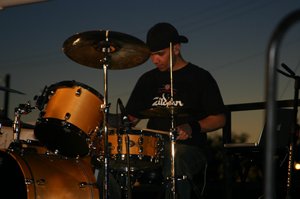
When it comes to marching band, your sticks are not just tools—they’re an extension of your musical voice. Choosing the best drumsticks for marching band can make a night-and-day difference in your control, stamina, and overall performance. If you’re just getting started, you might also want to check out the How to Play Drums for Beginners: Learn Easy Drum Basics guide for foundational tips.
- Experience greater comfort and endurance through long rehearsals and parades.
- Unlock improved sound projection and articulation on the field.
- Increase your confidence and control with drumsticks made for marching demands.
Let’s break down what makes a great marching stick, highlight top options for snare, tenors, and bass drummers, and help you avoid common pitfalls. If you’re ready to level up your marching percussion game, read on!
- What Makes Marching Drumsticks Different?
- Top Drumsticks for Marching Snare
- Best Drumsticks for Tenors and Bass
- Stick Sizing, Weight, and Material
- Tips for Choosing and Caring For Your Sticks
- Conclusion
- FAQs
Suggested Products to help you #win at drumming:
-
Vic Firth MS1 Corpsmaster Snare Drumsticks
– A popular and trusted choice for marching snare, these sticks provide solid balance and reliability for clean, powerful playing. -
Promark Tenor Drumsticks
– Designed specifically for tenor drummers, these sticks help you achieve better articulation and control across the quads. -
Innovative Percussion FS2 Marching Snare Drumsticks
– Known for their durability and comfortable feel, these sticks are a great choice for both practice and performance in a marching setting. -
Vic Firth Corpsmaster Bass Drum Mallets
– Specifically made for marching bass drums, these mallets help players produce consistent tone and balanced projection.
What Makes Marching Drumsticks Different?
Marching band drumsticks are worlds apart from your average drum set sticks. They are typically longer, thicker, and denser—built to handle the high volumes and intensity of outdoor performances. Learning more about Drum Ergonomics Tips for Drummers: Play Longer, Pain-Free can help you get the most from your gear while avoiding injury.
This added size isn’t just for power; it’s about maximizing projection on the field, increasing rebound, and reducing fatigue during extended drills. Sticks are often tailor-made for specific marching instruments: snare, tenors, or bass drums.
Key differences:
- Weight & Length: Marching sticks are heavier and longer to produce more sound and withstand rigorous play.
- Tip Shape: Designed for sharper, articulate attack on high-tension heads.
- Material: Generally crafted from robust hickory or maple for strength and shock absorption.
Having personally rehearsed and performed with a range of marching sticks, I can say that matching your stick to the job makes your playing easier and helps avoid strain or injury over the long season.
Top Drumsticks for Marching Snare
Marching snare is all about power, articulation, and consistency. You need sticks that give you great response and can handle rimshots night after night. For additional practice routines that build control, see Beginner Drum Practice Routine Review: Boost Skills Fast.
The Vic Firth MS1 Corpsmaster Snare Drumsticks is a top choice among both high school and college lines. Its balance makes it fantastic for playing intricate rudiments, while the durability means you don’t have to worry about snapping sticks mid-performance.
Another powerhouse, the Innovative Percussion FS2 Marching Snare Drumsticks, delivers a slightly thicker profile that’s loved by players who want a beefy feel and extra response for fortissimo passages. These are also built for the wear and tear of daily rehearsal.
| Stick Name | Best For | Main Benefit |
|---|---|---|
| Vic Firth MS1 Corpsmaster | Snare, All levels | Balanced feel, projection, trusted quality |
| Innovative Percussion FS2 | Snare, Intermediate/Advanced | Great response, durability, comfortable grip |
As a teacher, I always recommend new players start with these established models before exploring custom or specialty sticks. They allow you to focus on technique, not gear issues.
Best Drumsticks for Tenors and Bass
Tenor and bass drummers face their own set of demands. Tenor stick design helps with fast sweeps and clear articulation across the drums. The Promark Tenor Drumsticks are purpose-built to give tenor players enhanced stick control and even tone, crucial for executing split parts cleanly.
For bass, the right mallet provides warmth and focused attack. Vic Firth Corpsmaster Bass Drum Mallets are renowned for reliable response and consistency, making them a frequent pick even among championship lines. To get the most out of your group experience, learn more with Drummer Role in a Band: Why They’re the Backbone of Music.
- Choose tenor sticks with balanced weight to reduce fatigue during complex runs.
- Look for bass mallets with well-shaped felt heads for a fuller, more musical sound.
On tour and during long practice days, quality sticks or mallets are your first line of defense against hand fatigue and can even help keep your posture solid.
Stick Sizing, Weight, and Material
Size and weight are more than a matter of comfort—they directly affect how you play. If your stick feels too heavy, your muscles will tire fast; too light, and you’ll fight for volume and control.
Here’s a simple guide to matching stick specs to your goals:
- Start with standard corps models: These are balanced to suit the majority of players and styles.
- Check your band’s requirements: Some groups have recommended models for ensemble cohesion.
- Material matters: Most marching sticks are hickory for good shock absorption, though maple offers a lighter, faster feel if you need extra speed.
- Experiment safely: If your hands are smaller or you’re just starting, lighter models might suit you best before stepping up to heavier sticks.
Over time, you’ll develop preferences—listen to your hands and muscles. If your grip or tone is suffering, ask for feedback from an instructor or try switching to a different stick profile. Also, see Top Drumsticks for Marching Band Drumming That Perform Best for more in-depth recommendations.
Tips for Choosing and Caring For Your Sticks
Buying your first set? Here are tried-and-true ways to get the most out of any marching drumstick:
- Test Balance: Roll sticks on a flat surface in the store or band room—avoid any with visible warping.
- Feel is Everything: Comfort is key. Don’t force yourself to use a stick that feels awkward, no matter the brand.
- Rotate Sticks: To extend their life, alternate between two pairs for practice and performance.
- Inspect Regularly: Marching sticks take abuse. Discard any that develop deep chips or splinters.
- Label Your Pairs: Mark your initials or use color tape to quickly identify your sticks during busy rehearsals.
A good stick can last all season if you treat it right. As a long-time section leader, I’ve seen how simple habits like these prevent last-minute headaches and help you focus on the music, not the gear.
Conclusion
Choosing the best drumsticks for marching band is about more than just sound—it’s about empowering your technique, protecting your hands, and supporting your musical journey. Start by trying out reputable options like the Vic Firth MS1 Corpsmaster, Promark Tenor Drumsticks, Innovative Percussion FS2, or Vic Firth Corpsmaster Bass Drum Mallets, and notice how the right match transforms your sound and comfort.
Ready to take your drumming to the next level? Try these recommended sticks, experiment with your grip, and don’t hesitate to ask for feedback from experienced staff or section leaders. If you found these tips helpful, subscribe for more in-depth drumming guides and product reviews—or reach out with your questions for personalized advice!
FAQs
What size drumsticks are best for high school marching band?
The best drumstick size for high school marching band usually aligns with popular corps models—often slightly longer and heavier than regular drum set sticks. They provide better control, projection, and stamina during outdoor and indoor performances.
How do marching drumsticks differ from regular drumsticks?
Marching sticks are designed to be thicker, heavier, and longer than standard drum set sticks, allowing for maximum sound projection and durability on high-tension marching drums. They’re also optimized for rimshots and powerful articulation—two hallmarks of marching percussion sound.
Are heavier drumsticks better for marching band?
Heavier drumsticks deliver more volume and can withstand harder playing, which is necessary for outdoor shows. However, if you’re just starting, balance matters more than weight; too heavy can tire your hands, so find a stick that feels comfortable for your grip and endurance.
What’s the best way to care for marching drumsticks?
Always rotate your sticks between rehearsals and performances, check them regularly for cracks or warping, and store them in a stick bag to prevent unnecessary wear. Proper care ensures longevity and consistency, crucial for marching percussionists.
Should I use tape or grip on my sticks?
Adding tape or grip is a common tip among players, especially for sweaty hands or high-energy shows. Use percussion-specific grip tape for comfort and to reduce slippage, but avoid over-taping, which can affect rebound and stick balance.
What type of wood is best for marching drumsticks?
Hickory is the preferred choice for most marching drumsticks, offering excellent shock absorption and durability. Maple is lighter and faster but may wear down quicker under high-tension playing. Always match the stick type to your playing style and intensity.
How often should I replace my marching sticks?
It depends on your playing intensity. For active marching bands, replacing your main pair every 1–2 months is standard, especially if you notice chips, cracks, or compromised feel. Maintain a backup set for emergencies!
What are the most recommended brands for marching drumsticks?
Leading brands trusted by professionals and educators include Vic Firth, Innovative Percussion, and Promark. These brands offer sticks specifically engineered for marching applications, ensuring reliability, consistent feel, and great sound quality.