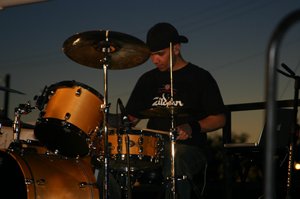
Unlock the heartbeat of every song by mastering basic drum beats—where true drumming begins and your musical journey ignites. The fundamentals you discover here will fuel confidence, creativity, and groove for a lifetime behind the kit.
- Build strong musical foundations using classic drum patterns every drummer must know.
- Quickly boost your coordination, timing, and feel on the drums with real-world practice strategies.
- Learn how to adapt essential beats to countless styles, setting you up for band success.
Ready to tap into the essential building blocks of drumming? Let’s explore the basics of drum beats, develop rock-solid rhythm skills, and set the stage for your drumming evolution. If you’re just starting out, check out How to Play Drums for Beginners: Learn Easy Drum Basics for a complete beginner’s guide.
- What Are Basic Drum Beats?
- Essential Drum Kit Setup
- The Core Beats Every Drummer Should Know
- Practical Tips for Perfecting Basic Beats
- Must-Have Practice Gear for Beginners
- Basic Drum Beats Groove Table
- Conclusion
- FAQs
Suggested Products to help you #win at drumming:
-
Donner DED-200 Electric Drum Set
– Practice all fundamental beats quietly or with headphones—ideal for building coordination even in small spaces. -
Drumeo P4 Practice Pad
– Hone your stick technique and dynamic control using multiple playing surfaces in one ultra-portable pad. -
LEKATO Drum Sticks 5A Maple Drumsticks
– Balanced and reliable drumsticks that help beginners and seasoned drummers develop accuracy and endurance. -
Yamaha Stage Custom Birch 5pc Drum Kit
– A classic acoustic drum kit, perfect for building your foundation in both practice and live performance settings.
What Are Basic Drum Beats?
Basic drum beats, often called “drum grooves,” are the foundational patterns that shape the pulse of most music genres. Whether you’re playing rock, pop, blues, or funk, these beats act as the glue between rhythm and melody, guiding the band and energizing the song. For more core tips and technique breakdowns, see Master Rock Drumming Techniques: Pro Tips for Killer Grooves.
At their core, basic drum beats arrange bass drum (kick), snare, and hi-hat hits across a recurring cycle (the measure or “bar”). They may sound simple, but mastering them is the key to joining bands, jamming confidently, and unlocking the world of drumming variations.
Essential Drum Kit Setup
Before jumping into patterns, it’s crucial to understand your instrument. The standard drum kit offers you a range of expressive sounds for building beats, including:
- Bass Drum (Kick): Played with a foot pedal—delivers deep, punchy notes that drive the groove.
- Snare Drum: Struck with sticks—provides sharp, crisp “backbeat” accents.
- Hi-Hats: Two cymbals on a stand—played with the foot pedal or sticks, giving a bright, rhythmic pulse.
- Toms: Offer tonal depth for fills and variations—less vital for basic beats, but great to explore as you progress.
Set up your kit so every element feels comfortable, allowing natural movements. For quiet practicing or limited space, the Donner DED-200 Electric Drum Set is a great solution; you can practice clearly with headphones and adjust the volume as needed.
The Core Beats Every Drummer Should Know
Let’s break down the most essential beats—these patterns appear in 95% of modern music. Mastering them gives you the confidence and ability to play with others and tackle more advanced approaches down the road.
1. The Basic Rock Beat (4/4 Time)
This fundamental drum beat forms the backbone of countless songs. Here’s how it’s structured:
- Hi-hat: Play evenly on all four beats (count “1-2-3-4”).
- Bass Drum: On beats 1 and 3.
- Snare Drum: On beats 2 and 4 (“the backbeat”).
Tip: Start slow, focusing on accuracy and even spacing between hits. Speed comes with muscle memory and time under your sticks. If you want to master speed, see Top Drumming Speed Drills to Boost Speed and Precision Fast for helpful exercises.
2. The “Money Beat”
This variation is called the “money beat” for a reason: it’s incredibly common on hit records and instantly recognizable on the dance floor. Here’s how it’s laid out in one bar:
- Hi-hat: Steady quarter or eighth notes (depending on tempo).
- Bass Drum: Beats 1 and “and” of 3.
- Snare Drum: Beats 2 and 4.
By shifting the second bass drum, this groove “pushes” the rhythm and sounds energetic while still familiar.
3. Simple Pop Groove
Simplify the hi-hat to the eighth notes, with accented bass drums ahead of the beat for a laid-back feel. Try playing the bass drum on 1 and the “and” of 2, snare on 2 and 4, and hi-hat on every “and.”
Small changes to these classics allow you to fit dozens of styles, from ballads to pop to R&B. Always keep your touch light on the hi-hats—listen to how your favorite recordings balance volume between limbs for a polished sound. Using a Drumeo P4 Practice Pad can aid with coordination and stick dynamics at home or anywhere you want to sharpen fundamentals quietly.
Practical Tips for Perfecting Basic Beats
Mastering even the simplest drum grooves requires more than repetition—you’ll need intention, patience, and smart practice habits:
- Start Slow: Use a metronome to develop consistent timing before increasing tempo. Precision first, then speed.
- Count Aloud: “One, two, three, four”—this internalizes the beat and anchors your pattern when nerves hit or music gets complex.
- Record Yourself: Listening back reveals subtle timing issues or uneven volumes you may not notice live.
- Practice with Playalong Tracks: Playing with real music boosts your musicality and keeps you motivated.
- Focus on Dynamics: Strive for a consistent snare backbeat and controlled hi-hat volume.
If you’re practicing on an acoustic kit like the Yamaha Stage Custom Birch 5pc Drum Kit, remember: balance your limbs and listen to how each drum interacts in the room. On a practice pad or with sticks such as LEKATO Drum Sticks 5A Maple Drumsticks, zero in on even strokes and rebound to develop stamina. You may also want to develop your warmup routine—see 10 Powerful Drum Warm Ups to Boost Speed and Control for ideas.
Must-Have Practice Gear for Beginners
Investing in the right gear streamlines your learning process and makes practicing basic beats enjoyable:
- Electric Drum Set: Enables consistent, quiet practice and can emulate a range of real kit sounds.
- Practice Pad: Lets you refine hand technique and play anywhere—on breaks at work or while watching TV.
- Reliable Drumsticks: Well-matched sticks are a must for comfort and control as you build muscle memory.
- Full Acoustic Kit: When ready, an upgrade to a quality, entry-level drum set establishes the foundation for live play.
Choosing trusted products such as the Donner DED-200 Electric Drum Set, Drumeo P4 Practice Pad, LEKATO Drum Sticks 5A Maple Drumsticks, and Yamaha Stage Custom Birch 5pc Drum Kit supports both rapid progress and long-term musical enjoyment. For more on what makes a great drumstick, see Best Drumsticks for Every Drummer: Top Picks & Buying Guide.
Basic Drum Beats Groove Table
Here’s a quick-reference table of the three most essential drum grooves. Use this chart during your practice routine to ingrain their structure and timing:
| Beat Name | Typical Use | Kick (Bass) Pattern | Snare Pattern | Hi-hat Pattern |
|---|---|---|---|---|
| Basic Rock Beat | Rock, Pop, Blues | 1, 3 | 2, 4 | 1, 2, 3, 4 (quarters) or every “&” (eighths) |
| Money Beat | Dance, Funk, Top 40 | 1, &, (of 3) | 2, 4 | Quarters or eighths |
| Pop Groove | Pop, Ballads, R&B | 1, & (of 2) | 2, 4 | Eighth notes with soft accents |
Conclusion
Every great drummer has a mastery of basic drum beats. By focusing your practice on these foundational grooves, you’ll develop tight timing, listening skills, and the musical confidence to play with others or record your own tracks. Remember, consistency is key—start with the basics, use quality gear like sticks, pads, or kits tailored for beginners, and always strive for groove and dynamics.
Ready to take action? Try one pattern today, explore our recommended products to supercharge your practice, and subscribe for more tips to elevate your drumming journey!
FAQs
What is the best way to learn basic drum grooves fast?
Start with a metronome at a slow tempo, using LSI keywords like “drum practice routine.” Focus on single beats until they feel effortless, then increase speed and complexity. Regular short sessions are more effective than long, unfocused ones. For a proven schedule, see Beginner Drum Practice Routine Review: Boost Skills Fast.
Can you practice basic drum beats without a drum set?
Absolutely! Using a “practice pad for drummers” and a good pair of sticks lets you build coordination, stick control, and timing. Air-drumming and desktop setups are also great options when space is limited.
How important is using the correct drumsticks for beginners?
Choosing the right “beginner drum sticks” shapes your comfort, accuracy, and endurance. Balanced sticks help prevent tension and allow for greater control as you refine your basic beats.
What makes the ‘money beat’ so popular in popular music?
This groove appears in countless hit songs across genres. Its spacing and punchy accents create instant movement, making it a staple beat in both “pop drum patterns” and rock.
Do electronic drum kits help with learning basic beats?
Yes, “electronic drum kit practice” is excellent for quiet and flexible rehearsals. Many digital kits offer playalong features and built-in metronomes, making them ideal for foundational drumming skills.
Should I learn to read drum notation while practicing basic beats?
If you want long-term versatility, understanding “drumming sheet music” unlocks a universe of rhythms. Even basic notation fluency will accelerate your progress with more complex patterns later on.
Are there online resources or drumming apps for beginner grooves?
Definitely—search for “drumming app beginner” or follow established online lesson platforms. These tools offer guided playalongs, video lessons, and instant feedback to enhance your daily practice.