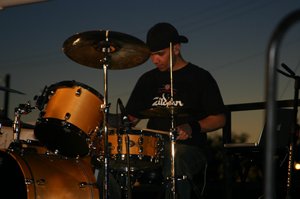
Every great drummer starts as a beginner, and if you’re looking for a clear, rewarding way to kick-start your drum practice, you’re in the right place. Structured routines not only speed up improvement but also make every session more fun and motivating. For those who want a deeper dive into the basics, check out How to Play Drums for Beginners: Learn Easy Drum Basics.
- Build consistent progress and develop strong fundamentals from day one.
- Gain confidence with simple, proven routines created by an experienced drummer.
- Accelerate hand, foot, and coordination skills essential for all musical styles. If you’re focused on hand speed, see Top Drumming Speed Drills to Boost Speed and Precision Fast for advanced exercises.
Whether you practice on a full drum kit or just a pad and sticks, this beginner drum practice routine lays the foundation for confident playing and life-long drumming success. Let’s get started and make every minute on the drums count.
- Beginner Drum Practice Routine Overview
- Warm-Up Basics
- Essential Techniques for Beginners
- Timing and Rhythm Development
- Fun Grooves and Simple Fills
- Equipment and Gear Tips for New Drummers
- Conclusion
- FAQs
Suggested Products to help you #win at drumming:
-
Donner Drum Practice Pad Silent Drum Pad for Beginners
– Perfect for practicing drumming basics quietly, helping you focus on stick control and technique anywhere. -
Vic Firth American Classic 5A Drum Sticks
– A reliable pair of sticks ideal for beginners, offering a comfortable grip for extended practice sessions. -
Paxcess Electronic Drum Set Roll Up Practice Pad Kit
– Easily portable and great for quiet practicing, this kit lets beginners experience a wide range of drum sounds. -
Drumeo P4 Practice Pad for Drummers
– Offers varied playing surfaces so you can develop control and dynamics right from the start.
Beginner Drum Practice Routine Overview
When first learning drums, structure is your best friend. An effective beginner drum practice routine should keep sessions manageable—around 20 to 40 minutes—broken into focused segments. This keeps your brain and muscles fresh, sharp, and ready to absorb new skills. Don’t worry if you’re starting with just a practice pad, sticks, or even a tabletop—solid routines work on any surface. To see more on effective routines, visit Best Drum Practice Routine for Faster Skills & Timing Mastery.
Here’s an example breakdown for a 30-minute beginner drum session:
| Segment | Time | Purpose |
|---|---|---|
| Warm-Up | 5 min | Prepare hands and mind |
| Technique Practice | 10 min | Build control and evenness |
| Rhythm & Timing | 7 min | Develop consistency |
| Grooves & Fills | 8 min | Apply skills in music |
Stick to this order and resist the urge to skip warm-ups or jump straight to playing along with songs, especially when starting out. Each part has a purpose and builds the right foundation.
Warm-Up Basics
Ask any seasoned drummer: skipping warm-ups often leads to slower progress and even minor injuries. Starting with a simple routine gets your hands loose, your mind focused, and sets the tone for a productive practice session. If you want more hand warm-up ideas, read 10 Powerful Drum Warm Ups to Boost Speed and Control.
Simple Hand Warm-Ups
Start with single strokes: alternate your right and left hands (R-L-R-L…) on a practice pad, such as the Donner Drum Practice Pad Silent Drum Pad for Beginners. Focus on even volume and speed rather than going fast. Do this for one minute, then reverse (L-R-L-R…).
Dynamic Accents
Practice accenting every fourth note: tap lightly three times, then strike the fourth slightly louder. This builds control and starts training your hands to respond to dynamic changes—one of the hallmarks of musical drumming.
Gradual Speed Increases
Use a metronome (free apps are fine for beginners) and bump up the tempo by 5–10 BPM every minute. This not only fires up your muscles but helps your internal sense of timing.
Essential Techniques for Beginners
Mastering the basics pays endless dividends. The most important beginner drum techniques lay the groundwork for everything else you’ll play. Many new drummers ask about foundational skills—see Learn Basic Drum Beats Fast: Essential Rhythms for Beginners to get started with beats.
Grip and Stick Control
Hold your drumsticks light but secure, using the Vic Firth American Classic 5A Drum Sticks for comfort and consistency. Avoid choking up too high or gripping with stiff wrists. Practice full, relaxed strokes and rebounds so the stick does some of the work for you.
Rudiments: Single and Double Strokes
Start with two essential rudiments: the single stroke roll (R-L-R-L…) and the double stroke roll (R-R-L-L…). These form the backbone of almost every beat and fill. Aim for evenness before speed—use your practice pad or a suitable surface like the Drumeo P4 Practice Pad for Drummers, which provides multiple response zones for developing control.
Basic Foot Techniques
If you have access to a bass drum pedal, spend time tapping basic quarter-note beats with your dominant foot. Many beginners overlook foot development, but solid kick timing propels any groove.
Timing and Rhythm Development
Good drummers are always great timekeepers. Working on timing early helps you sound professional, no matter your skill level. Explore even more timing techniques in Master Drum Timing Skills: Boost Speed, Precision & Control.
Playing with a Metronome
Set a steady tempo (start at 60–70 BPM) and play simple 8th-note patterns, focusing on landing each beat with the click. This discipline will pay off every time you play with others or a backing track.
Discovering Subdivisions
Practice counting and playing quarter notes, eighth notes, and sixteenth notes. For example, tap four evenly spaced beats per bar (quarter notes), then switch to eight per bar (eighth notes), and finally try sixteen (sixteenth notes). This improves reading skills and rhythmic control.
Developing Consistency
Use tools like the Paxcess Electronic Drum Set Roll Up Practice Pad Kit, which allows you to practice different rhythms and develop your timing quietly and effectively, even away from a traditional drum kit.
Fun Grooves and Simple Fills
Playing grooves gets your hands and feet moving together—the real magic of drumming. Start with this foundational beat:
- Hi-hat (right hand): Steady eighth notes
- Snare (left hand): Hit on beats 2 and 4
- Bass drum (foot): Hit on beats 1 and 3
Practice this slowly, focusing on balance and feel. Once you’re comfortable, try adding simple fills: for one bar out of every four, use single or double strokes on the snare and toms, then return to the main groove.
Remember, variety keeps practice fun. As you get better, use a practice pad with multiple surfaces like the Drumeo P4 Practice Pad for Drummers to try out different dynamics and tonal responses when working on fills.
Equipment and Gear Tips for New Drummers
You don’t need a fancy drum set to begin—most beginners start on a practice pad or beginner-friendly electronic kit. What matters most is consistency, proper technique, and making the most of your resources.
Must-Have Gear for Beginners
- A reliable practice pad (such as the Donner Drum Practice Pad Silent Drum Pad for Beginners) for quiet, effective hand work.
- Sturdy sticks that feel good in your hands (classic choices like the Vic Firth American Classic 5A Drum Sticks).
- An electronic roll-up kit, such as the Paxcess Electronic Drum Set Roll Up Practice Pad Kit, for practicing full grooves without making noise.
- A multi-surface pad, like the Drumeo P4 Practice Pad for Drummers, to experience a range of stick response and train your touch.
- A trustworthy metronome (apps or integrated devices with your drum kit are great to start).
With these basics, you can build real drumming skills before you ever touch an acoustic kit. Remember, practicing with purpose always beats fancy gear with poor habits.
Conclusion
Starting your drumming journey with a focused practice routine is the single best step you can take. Emphasize warm-ups, technique, timing, and real musical application to develop quickly and avoid frustration. The right tools—like a quiet practice pad, solid sticks, and simple electronic kits—will support your growth and keep you motivated.
Try the warm-up and groove exercises in this guide, explore the suggested gear to maximize your practice, and connect with other drummers for tips and inspiration. Subscribe for more drumming resources and keep pushing forward—every successful drummer started where you are today!
FAQs
How often should a beginner drummer practice for fast improvement?
Regular, focused practice is key for beginner drummers. Aim for at least 20–30 minutes a day, 4–6 times a week. Short, consistent sessions build muscle memory and confidence much faster than infrequent, long sessions.
What equipment does a new drummer really need to start practicing?
You can start with just a quality practice pad, comfortable drum sticks, and a metronome, no full drum set required. Many beginners use affordable tools like an electronic roll-up kit or multi-surface pad for realistic experience and versatility.
Why is a metronome important in a beginner drum routine?
A metronome helps drummers develop their timing and play more consistently with other musicians. Practicing with a click track is a pro-level habit that pays off on stage and in the studio.
How do I know if my grip and technique are correct?
Proper grip feels relaxed—your hands shouldn’t ache after a practice session. Watch trusted tutorial videos, use mirrors, or check with a drumming teacher to refine your stick control and avoid habits that can cause strain.
What are the best beginner drum rudiments to learn first?
Start with the single stroke roll, double stroke roll, and basic paradiddles. These rudiments build hand independence and lay the groundwork for beats, fills, and improvisation in all music genres.
Is it okay to practice drums on a table or cushion?
Absolutely—any surface that produces rebound can help in a pinch! However, dedicated practice pads provide better feedback, quieter practice, and help you develop a natural feel.
How can I keep drum practice interesting as a beginner?
Mix in your favorite songs, challenge yourself with new grooves, and use gear like electronic drum pads for variety. Tracking your daily progress keeps you motivated and shows how much you’re improving.