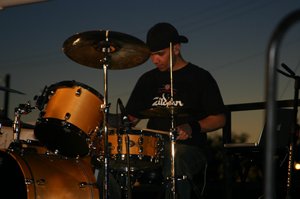
Every drummer dreams of capturing that thunderous, energetic drum sound—without draining their bank account or booking pricey studio sessions. The good news? With the right techniques, smart gear choices, and a touch of DIY spirit, you can record professional-sounding drums without breaking the bank.
- Maximize your sound quality using affordable equipment and practical room setup strategies.
- Develop essential recording skills that translate to any studio environment.
- Boost your confidence and creativity by taking control of your own drum recordings.
In this guide, I’ll share field-tested tips from decades behind the kit—showing you exactly how to get great drum recordings on a budget, whether you’re tracking in a bedroom, basement, or rehearsal space. If you’re a newcomer, check out How to Play Drums for Beginners: Learn Easy Drum Basics for a solid foundation. Let’s unlock your drum sound together!
- Preparation: Setting Up For Success On a Budget
- Choosing Budget-Friendly Recording Gear
- Room Treatment and Drum Placement
- Recording Techniques For Limited Setups
- Tips For Mixing Budget Drum Tracks
- Conclusion
- FAQs
Suggested Products to help you #win at drumming:
-
Shure SM57-LC Cardioid Dynamic Microphone
– A workhorse microphone that consistently delivers reliable drum recordings across countless styles. -
Mugteeve XLR Microphone Cable Balanced
– Durable and practical, providing clean audio transfer for every drum take. -
Aokeo Professional Microphone Pop Filter Mask Shield
– An effective tool for reducing unwanted noise and smoothing out your drum room sound. -
Focusrite Scarlett 2i2 3rd Gen USB Audio Interface
– An intuitive interface ideal for high-quality home drum recording.
Preparation: Setting Up For Success On a Budget
Before you ever hit “record,” preparation plays a massive role in the quality of your drum recordings. You don’t need a mountain of cash—just thoughtful setup and realistic expectations.
- Practice consistency: Run through your parts with a metronome and aim for even dynamics. Solid playing is the #1 factor in getting pro results, no matter the gear.
- Tune your drums: Take time to properly tune each drum. Well-tuned heads capture richer tones, even with budget mics.
- Minimize squeaks: Tighten all lugs, pedal springs, and hardware. Squeaks and rattles will be exposed by microphones, so double-check before recording.
Investing time in your setup saves heaps of frustration during mixing, and puts more musical focus in your final track.
Choosing Budget-Friendly Recording Gear
For many drummers, selecting affordable recording gear is the most daunting (and exciting) step. The key is to prioritize essential items that give you flexibility and longevity. For more gear inspiration, see the Top 10 Drum Mics for Studio-Quality Sound in 2024.
| Gear Category | Budget Pick | Why It Matters |
|---|---|---|
| Microphone | Shure SM57-LC Cardioid Dynamic Microphone | Reliable, versatile, and legendary for snare and overall drum miking. |
| Audio Interface | Focusrite Scarlett 2i2 3rd Gen USB Audio Interface | Simple to use and delivers crystal-clear drum tracks at home. |
| Cables | Mugteeve XLR Microphone Cable Balanced | Ensures consistent, noise-free audio connections. |
| Accessories | Aokeo Professional Microphone Pop Filter Mask Shield | Helps reduce plosives and improves detail, especially in close miking scenarios. |
Remember, you don’t need a wall of microphones to make a punchy, inspiring drum recording. Many classic records used just two or three mics. Focus on quality pieces—like the SM57 mic and a transparent interface such as the Focusrite Scarlett—that will last and grow with your home studio.
Room Treatment and Drum Placement
Your drum room can make or break your sound, but that doesn’t mean you need expensive foam panels or a dedicated studio space. Here’s how to maximize any room on a budget:
- Use soft furnishings: Blankets, carpeting, and mattresses help dampen harsh reflections and reduce boxy overtones.
- Aim for symmetry: Try to place your kit away from walls and corners, and keep the kit centered for more balanced recordings.
- Experiment with placement: Move mics and drums around the room while listening to how things change. Sometimes, a foot or two can make a dramatic improvement.
Don’t be afraid to get creative—I’ve recorded in living rooms, garages, and even hallways, using cushions thrown against the walls to soften up the reflections. The key is to listen critically and adjust as needed. If you’re interested in boosting your drumming comfort and posture for longer recording sessions, see Top Drum Throne Essentials for Comfort & Perfect Posture.
Recording Techniques For Limited Setups
If you only have one or two microphones, don’t sweat it! Many revered engineers started with sparse setups and learned tricks that helped define their style. Here are my proven tips for getting the best from limited equipment:
Single-Mic Techniques
The classic “mono overhead” or “Glyn Johns” position places a microphone above your kit aimed between the snare and kick. This captures a full picture of your drums with punch and clarity. The Shure SM57 is a perfect choice on a snare or centered overhead for surprisingly full-bodied sound.
Two-Mic Setups
Use one mic as an overhead and the other on the kick or snare. The resulting sound can easily rival multitracked kits if you carefully balance placement and drum tuning. The Mugteeve XLR Microphone Cable Balanced provides reliability for swapping mics and finding your sweet spot.
Accessories That Help: On a Tight Budget
An accessory like the Aokeo Professional Microphone Pop Filter Mask Shield isn’t just for vocals. In a drum room, it can cut down on harshness or plosives near the close mic, giving you a cleaner sound with less post-processing.
Pro Tip: Always record a few takes with different mic positions, then listen back on headphones or speakers before committing. Trust your ears. Even seasoned drummers spend time experimenting to find their room’s “zone.” New to recording at home? Check out How to Record Drums at Home Like a Pro (No Studio Needed) for more in-depth strategies.
Tips For Mixing Budget Drum Tracks
Mixing is where home recordings become radio-worthy. You don’t need boutique plug-ins or consoles—just a few key concepts:
- Cut before you boost: Use simple EQ to remove muddiness or harsh high-end before adding enhancements.
- Compress with caution: Light, tasteful compression glues together the dynamics. Overdoing it will flatten the life out of your drums.
- Clean up noise: Edit out unwanted bumps or background noises between sections. The Focusrite Scarlett 2i2 interface’s clean preamps help minimize noise from the start.
- Reference pro tracks: Listen to favorite drum mixes and A/B your sound. This will guide your mixing choices—even using basic DAW plug-ins.
You’ll be amazed how polished raw home drum tracks can sound with a few smart moves in the mix. Patience and critical listening are your real secret weapons here.
Conclusion
Recording drums on a budget is not only possible—it’s a fun, creative process that sharpens your skills and empowers your musical journey. By focusing on solid playing, room awareness, and clever use of gear like the Shure SM57 microphone, Mugteeve XLR cable, and Focusrite Scarlett 2i2 interface, you lay the groundwork for pro results at home.
Try out one of these techniques in your next session. Explore the suggested products for reliable upgrades, and don’t hesitate to subscribe or dive deeper into more drumming guides. Your signature drum sound is within reach—no matter your budget!
FAQs
What’s the best placement for a single microphone when recording drums?
Positioning a single microphone above the kit (approximately at forehead height, pointing between the snare and kick) yields a balanced snapshot of the entire drum set. This “mono overhead” technique captures both cymbals and drums with usable clarity, ideal for budget setups.
How do I make my recorded drums sound bigger in my home studio?
To achieve a bigger drum sound, focus on tuning your drums well and placing rugs or blankets in your room to reduce reflections. Using room mics or experimenting with microphone distance can also help make your drums sound more spacious and lively. You may also want to browse Ultimate Drum Mic Setup Guide: Best Mics for Pro Sound for more ideas on microphone techniques.
Are dynamic microphones like the Shure SM57 good for drum recording?
Yes, dynamic microphones such as the Shure SM57 are highly regarded for both snare and overhead drum miking, especially on a budget. They handle high sound pressure levels and deliver a tight, punchy sound that suits most genres.
Is acoustic treatment necessary for good drum recordings in small rooms?
While full professional acoustic treatment isn’t necessary, using household items such as carpets and curtains can greatly improve your drum room acoustics. Reducing unwanted reverb and early reflections makes a noticeable difference in recording quality.
How can I improve audio quality with affordable recording interfaces?
Even budget-friendly interfaces like the Focusrite Scarlett 2i2 offer clean, transparent preamps that enhance drum recordings. Pairing a solid interface with quality cables and microphones ensures your audio remains clear throughout the signal chain.
What’s the most important tip for mixing drums recorded at home?
The most important tip is to focus on cleaning up unwanted noise and using EQ to carve space for each drum. Start with subtle compression and always reference professional tracks to maintain perspective and avoid over-processing.
Which DAW software works best for recording drums on a budget?
Many digital audio workstations (DAWs) such as Reaper, Garageband, and Cakewalk are either low-cost or free and provide all the essential features for drum tracking and mixing. Choose one that suits your workflow and operating system for the smoothest experience.