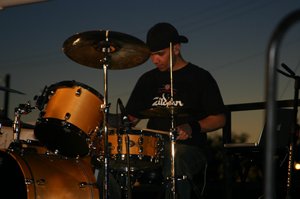
Hip hop drumming is unlike any other groove on the kit. These beats drive the tracks that move a generation—and as an aspiring drummer, learning the essentials can expand your skills, versatility, and creative voice. If you’re brand new to the kit or want to brush up on foundational skills, check out How to Play Drums for Beginners: Learn Easy Drum Basics for more drum basics.
- Master classic and modern hip hop grooves every drummer should know
- Develop stronger groove, timing, and feel using real-world practice advice
- Discover essential gear and tools that support hip hop drumming styles
Ready to level up? This guide breaks down fundamental hip hop rhythms with real examples, practical practice tips, and equipment recommendations so you can crush your next jam session or studio gig. Let’s get into the heart of hip hop drumming!
Table of Contents
- The Hip Hop Feel: Laying the Foundation
- Classic Hip Hop Beat Examples
- Essential Hip Hop Drumming Techniques
- Sound Choice and Gear Tips
- Advanced Hip Hop Grooves and Variations
- Conclusion
- FAQs
Suggested Products to help you #win at drumming:
-
Alesis Turbo Mesh Kit
– Ideal for practicing hip hop beats at home quietly, this compact electronic drum kit offers essential pads for modern practice routines. -
Vic Firth American Classic 5A Drum Sticks
– Versatile sticks with a comfortable feel, perfect for solid hip hop grooves and dynamic control on both acoustic and electronic kits. -
Roland SPD-SX PRO Sampling Pad
– Expand your hip hop drumming palette by triggering samples, beats, and one-shots, just like the pros in the studio or on stage.
The Hip Hop Feel: Laying the Foundation
Before learning specific patterns, understand that hip hop drumming is all about groove, space, and vibe. Unlike busy funk grooves, hip hop often relies on a relaxed pocket, a strong backbeat, and deliberate note placement.
One of the biggest challenges for drummers making the leap into hip hop is “playing behind the beat.” This style demands patience and control—leaving space makes every note hit harder. Improving timing and groove is essential, so consider practicing with resources like Top 7 Drummer Smart Metronomes for Perfect Timing Today.
Understanding Pocket and Swing
Hip hop borrows heavily from funk, soul, and jazz. Many hip hop beats use “swing” or “shuffle” rhythm, where the subdivision isn’t perfectly straight.
- Practice with a metronome set to a slow tempo (around 70–80 BPM).
- Work on placing your snare backbeats a little behind the click for extra “fatness.”
- Try ghost notes on the snare for subtle, groovy texture.
If you find that your feel isn’t quite locking in, record yourself and compare to classic hip hop tracks. Checking your pocket is key to improvement.
Classic Hip Hop Beat Examples
Let’s break down some essential hip hop drumming examples found in iconic tracks. These grooves are fundamental for every serious drummer. Whether you’re using an acoustic kit, electronic setup like the Alesis Turbo Mesh Kit, or triggering samples with a Roland SPD-SX PRO Sampling Pad, these beats will form the backbone of your hip hop vocabulary.
| Beat Name | Where to Hear It | Key Elements |
|---|---|---|
| “Boom Bap” Groove | 90s New York Hip Hop (Nas, Gang Starr) | Snappy snare on 2 & 4, syncopated hi-hats, simple kick drumming |
| Trap Hi-Hat Flow | Modern Trap (Migos, Future) | Fast hi-hat 16th/32nd notes, punchy kicks, light snare |
| Soul-Influenced Pocket | Roots tracks (The Roots, J Dilla beats) | Loose shuffle, swung sixteenths, layered ghost notes |
Start by isolating the kick, snare, and hi-hat patterns on their own. Once comfortable, layer in ghost notes and experiment with dynamic range (from whisper-quiet to hard backbeats). You can develop your groove and improve subtle playing further by exploring Ghost Notes Drumming Explained: Master Subtle Groove Skills.
Practice Tip: Break Down the Beat
Slow each groove down and loop each element individually. Play along to a click, loops, or original track recordings. Practicing with headphones and quality sticks like the Vic Firth American Classic 5A Drum Sticks will help you develop control and consistency.
Essential Hip Hop Drumming Techniques
Solid hip hop drumming goes beyond copying beats—it’s about developing a toolkit of versatile techniques. Here are the essentials:
- Ghost Notes: Subtle, quiet snare notes add groove and texture. Practice alternating between solid backbeats and feathered ghost notes with both hands.
- Syncopated Kicks: Vary from simple quarter notes to offbeat patterns for interest and flow.
- Hi-Hat Articulation: Use closed, open, and “barked” hi-hats. Trap-style beats often use fast, staccato 16th notes, while classic grooves swing more.
- The Sampled Sound: Hip hop drummers often emulate the lo-fi feel of sampled drum breaks. Try muting your snare head slightly or use an electronic setup to dial in classic sounds.
Staying in the Pocket
Use your metronome and resist the urge to rush. Record and critique your playing. If you’ve got access to sampling gear, trigger classic breaks (like Clyde Stubblefield’s “Funky Drummer”) and study their human feel. Advanced players looking to expand further can dive into Master Hip Hop Drumming: Beats, Techniques & Pro Tips.
Sound Choice and Gear Tips
Your sound palette hugely affects your ability to mimic authentic hip hop drumming. Here’s what to consider:
- Electronic Drum Kits: A compact, responsive kit like the Alesis Turbo Mesh Kit lets you practice late at night and record directly into your DAW.
- Drum Sticks: The Vic Firth American Classic 5A Drum Sticks are an industry standard for a reason—great for dynamic hip hop control.
- Sample Pads: With a Roland SPD-SX PRO Sampling Pad, you can launch one-shot snares, vintage loops, and electronic textures—blending acoustic and programmed drum worlds easily.
Whether you play live or record at home, focus on gear that’s easy to use and helps you achieve the deep, punchy, and sometimes gritty sounds central to hip hop. If you’re interested in getting pro sound results in your own space, learn more from How to Record Drums at Home Like a Pro (No Studio Needed).
Tuning and Dampening Tricks
Don’t neglect acoustic kit tweaks: use gel dampeners, moon gels, or wallets on your snare to reduce ring. Tune toms lower for a deeper pocket, and experiment with different stick types for hi-hat and snare articulation. Find the setup that encourages you to play with attitude and confidence.
Advanced Hip Hop Grooves and Variations
Once you’ve mastered the basics, layer in these advanced ideas:
- Polyrhythms: Play hi-hats in 3 while the groove stays in 4 for hypnotic feel.
- Linear Drumming: Avoid overlapping hands; every voice (kick, snare, hi-hat) plays separately for complex, technical patterns.
- Live Remixing: Use sample pads to drop fills, one-shots, or transitions—giving each performance energy and unpredictability.
- Dynamics & Texture: Experiment with velocity layers, rim knocks, or stick tips on cymbals to create depth.
Challenge yourself to build custom grooves within these frameworks. Listen to your favorite hip hop drummers or producers—The Roots’ Questlove, Anderson .Paak, or the late J Dilla—for inspiration and groove ideas.
Track Your Progress
Keep a drumming journal to log tempos, groove types, and challenging practice points. Record yourself monthly—audible improvement is a huge motivator. Remember, making small daily improvements consistently is the fastest way to mastery. Looking for more ways to structure your journey? See tips in Best Drum Practice Routine for Faster Skills & Timing Mastery.
Conclusion
Hip hop drumming essentials demand patience, groove, and intentional sound selection. Master the feel, copy legendary beats, and build a toolkit of techniques that let you create, not just imitate. Whether you add electronic kits, sticks, or sampling pads to your drum arsenal, developing your hip hop skills will pay off in every genre.
Ready to take action? Try one new groove from this guide today. Explore the suggested products above to support your creative journey. Subscribe to our newsletter or tap into more drumming resources to keep your momentum going—your next great beat is just a practice session away!
FAQs
What makes hip hop drum beats different from rock grooves?
Hip hop drum beats focus on a laid-back feel, heavy emphasis on groove, and frequent use of sampled sounds. The backbeats are often placed later in the measure compared to rock, creating that signature “behind the beat” feel. Precision and attitude are key to authentic hip hop drumming.
How do I practice hip hop drums without disturbing my neighbors?
Consider using an electronic kit like the Alesis Turbo Mesh Kit for quiet practice. Electronic drums allow you to practice anytime with headphones, keeping noise levels down while still developing your groove and coordination like the pros.
What are ghost notes in hip hop drumming?
Ghost notes are soft, subtle snare hits that add texture and complexity to hip hop rhythms. Practicing ghost notes improves your touch and groove, helping you replicate the human feel found in legendary sampled drum breaks.
Which drumsticks should I use for playing hip hop?
The Vic Firth American Classic 5A Drum Sticks are a reliable choice for hip hop drummers and work well on both acoustic and electronic kits. They offer a balanced feel and allow precise control for dynamic grooves and intricate patterns.
Can I use sampling pads in my live hip hop drumming setup?
Yes, using a sampling pad like the Roland SPD-SX PRO Sampling Pad is an excellent way to trigger beats, loops, and effects live. This tech enables you to blend acoustic and electronic elements seamlessly, which is common in professional hip hop performances.
Is reading sheet music important for hip hop drumming?
While reading isn’t required, basic sheet music or drum tab knowledge helps you learn and transcribe complex hip hop patterns. Many drummers prefer learning by ear, but notation skills can speed up your progress and unlock new creative possibilities.
What is “linear drumming” in hip hop?
Linear drumming means no two limbs play simultaneously; every stroke (kick, snare, hi-hat) falls separately. It’s a popular advanced hip hop technique for creating intricate patterns and fills, requiring coordination and groove precision.
How do I get my drums to sound more like classic hip hop records?
Focus on tuning your snare low, using head dampening, and experimenting with unconventional stick techniques. Electronic kits and sampling pads let you use pre-processed sounds, while acoustic kits benefit from dampeners and careful tuning to emulate that unmistakable vintage vibe.