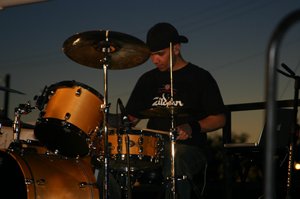
Looking to turbocharge your drumming skills? The fastest way to level up your playing is with a focused daily drum workout routine—a habit every top drummer swears by. For more guidance on technique, check out 10 Powerful Drum Warm Ups to Boost Speed and Control.
- Supercharge your stamina, speed, and precision behind the kit
- Break through plateaus and master new grooves and techniques
- Build unstoppable confidence for any performance or jam session
Whether you’re practicing on a full kit or with just a pad and sticks, dialed-in routines maximize every practice minute. Let’s explore sample drum workout routines, pro tips, and the gear that keeps your progress on point.
Table of Contents
- Why Daily Drum Workouts Matter
- Essential Elements of an Effective Drum Workout
- Sample Daily Drum Workout Routines
- Tips for Getting the Most from Your Routine
- Conclusion
- FAQs
Suggested Products to help you #win at drumming:
-
Practice Pad
– Make the most of every practice session and improve hand speed and control—anytime, anywhere. -
Vic Firth American Classic 5A Drum Sticks
– Trusted by drummers worldwide for consistent feel, balance, and reliability in daily workouts. -
Donner DED-200 Electric Drum Set
– Practice quietly with authentic kit response, ideal for building skills at home. -
Metronome
– Master your timing and develop flawless rhythm with a reliable metronome in your toolkit.
Why Daily Drum Workouts Matter
Ask any pro: the difference between a good drummer and a great one is found in their practice habits. Daily drum workouts are about more than just putting in the hours—they’re about deliberate, structured repetition. This approach keeps your hands, feet, and mind sharp while building the muscle memory essential for high-level drumming. Beginners should also review How to Play Drums for Beginners: Learn Easy Drum Basics to get started on the right foot.
Regular routines accelerate technical progress and develop the “flow” that separates hesitant playing from instinctive musicality. You’ll spot improvements in endurance, dynamic range, and your comfort playing under pressure—whether that’s in a gig, studio, or a quick jam with friends.
Essential Elements of an Effective Drum Workout
Every solid drum workout routine includes a mix of focus areas to strengthen your weaknesses and refine your strengths. Here are the foundational elements that should find their way into your daily session, no matter your level:
- Warm-up: Wake up your muscles with simple, low-intensity exercises—get that blood flowing.
- Technique practice: Rudiments, hand-foot coordination, and stick control form the core of technical improvement.
- Timing and groove: Spend time with a metronome honing your sense of pulse and learning to lock into the beat.
- Creative exploration: Improvise grooves or fills, work on transcriptions, and experiment with new musical ideas.
- Cool-down/stretching: Prevent injury and promote longevity with gentle stretches or slow-play exercises.
Mixing these elements each day keeps practice fresh, balanced, and genuinely transformative.
Workout Duration and Structure
Even 20–45 minutes daily can yield huge payoffs if you’re intentional. Here’s a quick breakdown of how to allocate your practice time:
| Section | Recommended Time |
|---|---|
| Warm-up | 5 minutes |
| Technique | 10–15 minutes |
| Groove/Timing | 10–15 minutes |
| Creative/Improvisation | 5–10 minutes |
| Cool-down | 2–5 minutes |
Adapt this framework to your goals—just be sure to cover each area and keep it consistent.
Sample Daily Drum Workout Routines
Ready to build habits that stick? Here are three practical routines you can start today, whether you have a full kit at home, an electric set, or just a pair of sticks and a practice pad. I’ve used (and taught) these routines to help players of all levels develop real-world drumming power. If you want further ideas, visit Best Drum Practice Routine for Faster Skills & Timing Mastery.
1. Pad & Stick Workout (20 Minutes)
Perfect for drummers on-the-go or when noise is an issue. Using a Practice Pad and a set of high-quality sticks like Vic Firth American Classic 5A Drum Sticks makes this routine a game-changer for your chops.
- Warm-up (3 min): Slow single stroke rolls, gradually increasing speed
- Rudiments (7 min): Practice paradiddles, double strokes, and flams at various tempos
- Stick control (5 min): Focus on even volume and rebound with single/double stroke exercises
- Creative/freestyle (3 min): Invent combos or work on stick tricks
- Cool-down (2 min): Slow, relaxed singles or controlled buzz rolls
Consistency here does more for your hands than hours of aimless bashing on a full kit. For even more targeted hand exercises, see Unlock Faster Hands: Best Drumming Speed Drills That Work.
2. Full Kit (Acoustic or Electric) Workout (30–45 Minutes)
If you have access to a full kit—or a quiet setup like the Donner DED-200 Electric Drum Set—you can supercharge your playing even in a small apartment. Electric kits let you practice dynamic grooves at any hour.
- Warm-up (5 min): Play around the toms with singles and doubles
- Foot exercises (7 min): Alternate single, double, and triple kicks with hi-hat coordination
- Groove practice (15 min): Use a Metronome to play eighth, sixteenth, and shuffled grooves, focusing on dynamics
- Fill/integration work (7 min): Practice moving seamlessly from grooves to fills and back
- Improv/play-along (7 min): Jam to backing tracks or improvise over a simple beat
- Cool-down (2–4 min): Slow the tempo, stay relaxed, and check posture/technique
Tying together timing, footwork, and creativity, this routine targets every aspect of drumming musicianship.
3. Timing & Groove Fix (15–25 Minutes)
Struggling to stay in the pocket? Dedicate a session to nothing but timing, using a Metronome. I often make this a “focus day” for students before a gig or recording. Learn more about perfect time with Master Drum Timing Skills Fast: Pro Tips to Play in Perfect Time.
- Warm-up (2 min): Simple quarter-note hits with both hands and both feet
- Backbeat training (8 min): Alternate between snare backbeat grooves at slow and moderate tempos
- Subdivision practice (8 min): Switch between straight and swung feels, sixteenth and triplet patterns—always locked with the click
- Groove improvisation (5 min): Create original beats, working to land every accent on time
- Cool-down (2 min): Gentle, in-time singles or tap out a favorite rhythm
This laser-focused routine hones the timekeeping skills every band leader swears by. There’s no substitute for a great internal clock.
Tips for Getting the Most from Your Routine
Sticking with daily practice is easier and more rewarding when you set yourself up for success. Here’s how working drummers make every session count:
- Track your progress: Use a practice journal or app to set goals and note improvements—celebrate the small wins!
- Vary your focus: Switch up your routine every few weeks to avoid burnout and cover new ground.
- Set a timer: Keep sessions focused and resist the urge to “noodle” aimlessly—clear boundaries get faster results.
- Lean on great gear: A sturdy Practice Pad, pro sticks like the Vic Firth American Classic 5A Drum Sticks, a responsive electric kit such as the Donner DED-200 Electric Drum Set, and a reliable Metronome are essentials for impactful practice at any level.
- Never skip warm-ups and cool-downs: Injuries set you back, so treat your body as seriously as your music. For more injury-prevention advice, read Top Drumming Injury Prevention Tips to Avoid Pain & Strain.
Find what inspires you, make it routine, and watch your drumming confidence skyrocket.
Conclusion
Every legendary drummer was built in the practice room—one solid routine at a time. The daily drum workout examples here aren’t just theory; they come from years behind the kit and helping aspiring drummers break through barriers. Start where you are: try a new exercise, invest in the gear that keeps you moving forward, and structure your practice for results you can feel and hear.
Ready to take action? Pick a routine above, put it into practice with consistency, explore the suggested products to enhance your experience, and connect with other drummers online or in-person. Your breakthrough is a few focused sessions away—make it happen!
FAQs
What is the best daily drum workout for beginners?
For beginner drummers, focus on single and double stroke rolls, easy rudiments, and basic groove practice with a metronome. Using a practice pad and reliable drum sticks helps build strong fundamentals while keeping it fun and low-pressure.
How long should a daily drum practice routine be?
A well-structured daily drum workout can be as short as 20 minutes. The key is consistency and covering technique, timing, and creativity in each session. Over time, building up to 45–60 minutes can accelerate progress and stamina.
Can I improve if I only use an electric drum kit?
Absolutely! Practicing on an electric drum set like the Donner DED-200 lets you develop dynamic control, timing, and coordination without noise issues. Many pros use electric setups for their daily routines between live sessions.
Why is a metronome important for drum workouts?
A metronome is the drumming equivalent of a personal trainer for your timing and groove. Regular metronome practice locks in your internal clock, reduces rushing or dragging, and builds the rhythmic confidence every group and producer values.
What products do I need for effective drum practice at home?
Invest in a practice pad, pair of pro-quality sticks, and a dependable metronome for practicing rudiments and timing. For full-kit workouts, an electric drum kit is a fantastic solution for quiet or apartment-friendly practice.
How do I avoid injury when practicing drums daily?
Start each session with a warm-up routine, use correct stick/grip technique, and always listen to your body. Make stretching and cool-downs a habit to protect joints and muscles—especially during intense or extended practice periods.
What are some creative ways to make drum practice more fun?
Mix in play-alongs to your favorite tracks, challenge yourself with new grooves or fills, and occasionally record your sessions. Using different gear, backing tracks, or switching up your drum workout routine keeps things fresh and motivating for the long run.