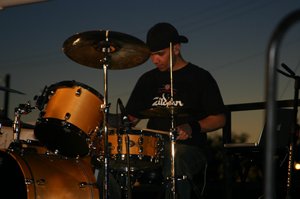
Learning how to play the drums can transform your life. It sharpens your coordination, builds rhythm in your soul, and opens doors to endless musical possibilities. Whether you’re aiming for the stage, the studio, or personal fulfillment, drumming is one of the most immersive and empowering instruments you can play.
If you’ve ever tapped out a beat on your desk or air-drummed to your favorite song, you’re already halfway there. This guide will show you how to go from beginner to confident player—with real-world tips, essential techniques, and gear that makes practice feel like performance. You might also enjoy reading How to Play Drums for Beginners: Learn Easy Drum Basics to support your journey.
- Boosts brain and body coordination: Drumming engages both hemispheres of the brain and improves timing, reflexes, and motor control.
- Offers a fun, stress-relieving creative outlet: Hitting things with sticks is therapeutic and helps release tension.
- Lays the foundation for playing in bands or recording: Mastering the drums builds rhythm skills that are crucial for any musical collaboration.
Now let’s break it down step by step. From choosing your first pair of sticks to playing your first beat, this is your drummer’s roadmap.
Table of Contents
Suggested Products to help you #win at drumming:
- Vic Firth American Classic Drumsticks – These industry-standard sticks are ideal for beginners with great balance and durability. Trusted by pros and teachers alike.
- Donner DED-200 Electric Drum Set – A full-featured electric kit perfect for apartment living and late-night practice without disturbing the neighbors.
- Evans RealFeel 2-Sided Practice Pad – A must-have for developing control, rebound, and stick speed—no kit required.
- Alesis Nitro Max Electronic Drum Kit – A budget-friendly yet powerful e-kit that feels authentic under your sticks and comes with built-in coaching tools.
Getting Started: What You Need
You don’t need a full drum kit to begin. In fact, some of the best players in the world started on nothing but a pair of sticks and a practice pad. The goal early on is to develop coordination, timing, and feel.
Here’s your essential starter kit:
- Drumsticks: Go for a balanced, 5A pair like the Vic Firth American Classic Drumsticks. They’re versatile and easy to control.
- Practice pad: A high-quality pad like the Evans RealFeel offers two different response surfaces.
- Metronome: Essential for developing solid timing. Use a smartphone app or physical metronome.
- Headphones: If you’re using an electronic kit, you’ll want a good pair for clarity and isolation.
- Electric kit (optional): An entry-level e-kit like the Donner DED-200 provides real feel with low noise.
How to Hold Drumsticks and Sit Properly
Your grip and posture set the foundation. Start wrong here, and you’ll build habits that are hard to fix later.
Matched Grip vs. Traditional Grip
Most beginners start with matched grip, where both hands hold the stick the same way. Traditional grip, where one stick is angled differently, is more common in jazz or marching styles.
For matched grip:
- Let the stick rest in the groove between your thumb and index finger.
- Wrap your fingers gently around the stick, avoiding a tense fist.
- Keep your wrists loose and use them—not your arms—to move the sticks.
Correct Drum Set Posture
Feet flat, back straight, and arms relaxed. Sit at a height where your thighs are parallel to the floor and your knees are just under the snare. Your elbows should hang naturally at your sides.
Basic Drum Beats for Beginners
Once you’ve mastered stick control, it’s time to play actual grooves. Start with the basic rock beat and build from there. To go deeper into this genre, check out Master Rock Drumming Techniques: Pro Tips for Killer Grooves.
| Part of Kit | Counts (1–4) |
|---|---|
| Hi-hat | 1 + 2 + 3 + 4 + |
| Snare | 2 & 4 |
| Bass drum | 1 & 3 |
Play each limb slowly at first, then gradually piece them together. Always use a metronome and count out loud until your body memorizes the rhythm.
Pro Tip:
Mastering just one solid beat will help you play along to hundreds of popular songs. Don’t underestimate the power of repetition and simplicity.
Practice Strategies That Work
Practice smart, not long. You’ll see better results with 20 focused minutes than with an hour of distracted flailing. If you’re looking to enhance your routine, 10 Powerful Drum Warm Ups to Boost Speed and Control is a great companion read.
- Use a timer: Break sessions into 5-minute chunks—warm-up, technique, groove, and cool-down.
- Record yourself: Listening back reveals timing issues or technique flaws you didn’t notice.
- Slow it down: Play at 50–60 bpm to burn in muscle memory before speeding up.
- Practice silently: If noise is an issue, a silent kit like the Alesis Nitro Max offers great feel with zero volume.
Equipment Upgrades Worth Considering
Once you’re sticking with drums, investing in better gear helps you grow faster and with more enjoyment. Here are a few impactful upgrades:
- Drum throne: A supportive, adjustable seat makes long sessions comfortable.
- Proper headphones: Isolate drum sounds while protecting your hearing.
- Electronic kit: Kits like the Donner DED-200 let you play at night via headphones and record performances directly into your DAW.
Final Thoughts: Stick With It
Learning to play drums is a challenge—but every beat you master deserves a celebration. Be patient, stay consistent, and remember that even the pros began with clumsy flams and off-beat snares.
Let your practice pad be your best friend, your metronome your coach, and your sticks your passport to rhythm. Explore more gear when the time feels right, and never stop learning. If this guide helped you, consider checking out the products listed above or subscribing to more drumming tools and tips. For structured progression tips, explore Beginner Drum Practice Routine Review: Boost Skills Fast.
FAQs
What’s the easiest way to learn drums for beginners?
Using a combination of a good practice pad, like the Evans RealFeel, a metronome, and online tutorials offers the best starting point. Focus on stick control, rhythm counting, and basic coordination.
Do I need a full drum set to start playing?
No, you can begin with just sticks and a practice pad. For quiet full-kit practice, an electric set like the Donner DED-200 is perfect and doesn’t disturb others.
How long does it take to learn the drums?
You can learn to play basic beats in a few weeks with daily practice. Mastering songs and more advanced grooves may take months, depending on your consistency and effort.
What’s the best drum kit for apartment practice?
Electric kits like the Alesis Nitro Max are well-suited for small spaces and headphone use. They offer realistic pads that respond much like acoustic drums.
Why is a metronome important for drummers?
A metronome trains your inner clock. Solid timing is one of the most desirable traits in a drummer and is essential for band playing and studio work.
Should I learn to read drum sheet music?
Yes! Understanding drum notation helps you learn songs faster and communicate with other musicians. Start with simple quarter note exercises and build up.