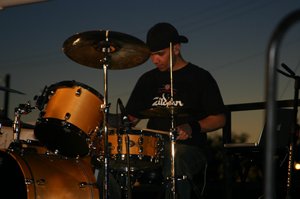
Improvising a drum solo can feel like stepping onto a wire without a net—it’s exhilarating, expressive, and instantly reveals your musical identity.
- Build creativity and confidence with real-world soloing approaches
- Unlock practical drum solo examples to practice and emulate
- Master improvisation skills that make your playing stand out on any stage
Whether you’re looking to wow an audience or just want to stretch new musical muscles, learning how to improvise drum solos is a skill that pays off on stage, in the studio, or even in your own practice space. Let’s break down inspiring examples, actionable techniques, and tips that empower you to boldly solo on the drums. For foundational skills, see How to Play Drums for Beginners: Learn Easy Drum Basics.
- Why Improvise Drum Solos?
- Essential Techniques for Drum Solo Improvisation
- Classic Improvised Drum Solo Examples
- Easy Drum Solo Ideas for Beginners
- Gear to Master Your Drum Solos
Suggested Products to help you #win at drumming:
-
Donner Snare Drum Kit for Beginners
– Great for practicing solo phrasing and dynamics, this kit helps new drummers develop foundational improvisational skills at home. -
Roland TD-07DMK Electronic V-Drum Kit
– An electronic kit opens up more creative soloing options, letting you experiment with sounds and record your progress. -
AKLOT Drum Practice Pad Set
– Perfect for working on rudiments and building the muscle memory needed for improvisational solos anytime, anywhere. -
Drumeo P4 Practice Pad
– Offers multiple surfaces to spice up your practice routines and help you transfer sticking creativity directly into your solos.
Why Improvise Drum Solos?
If you’ve watched legendary drummers like Buddy Rich or Cindy Blackman Santana cut loose during a solo, you already know how captivating drum improvisation can be. The magic comes from personal expression—no two solos are the same, even from the same drummer on the same night.
Improvising solos isn’t just about showing off: it teaches responsiveness, encourages risk-taking, and enhances your musical vocabulary. By stepping away from written parts, you develop listening skills and learn to communicate your unique style through rhythm and dynamics. To further strengthen these core skills, consider starting with 10 Powerful Drum Warm Ups to Boost Speed and Control.
Essential Techniques for Drum Solo Improvisation
Learning to improvise drum solos involves both technical control and creative flair. Here are some foundational concepts that successful drummers rely on in real-world performances:
Mastering Rudiments
Rudiments are the drummer’s alphabet. Paradiddles, flams, double strokes, and rolls can be mixed and matched to form impressive solo phrases. Practice these at various tempos and orchestrate them around the kit to unleash countless improv possibilities. For a deeper dive on paradiddles, read Master the Drumming Paradiddle Technique Like a Pro Today.
Using the Whole Kit: Voice and Dynamics
Great solos aren’t just fast or loud—they use texture and dynamic contrast. Practice combining snare, toms, cymbals, and even rims or shell effects, moving fluidly between them. Adjust volume and intensity for dramatic effect, keeping your audience engaged.
Phrasing and Motif Development
Take a simple idea—a rhythmic motif or short fill—and repeat it with subtle changes. This builds coherence and musical narrative within your solo. The best improvisers develop themes on the fly, making their solos feel intentional and memorable.
Listening and Interacting
Many solos happen within a band setting. A responsive soloist listens to what’s happening around them and interacts with melody, harmony, or groove. Practice trading fours with recordings or friends to sharpen your real-time communication. If you want to understand the drummer’s crucial role, check out Drummer Role in a Band: Why They’re the Backbone of Music.
| Technique | How To Practice | Example Application |
|---|---|---|
| Rudiment Expansion | Play paradiddles around the kit, accenting different drums | Begin a solo phrase with a paradiddle pattern, move it across toms |
| Dynamic Contrast | Gradually shift from pianissimo to fortissimo and back | Start with whisper-soft ghost notes, build to thunderous attacks |
| Thematic Motifs | Loop a five-note lick, each time changing one element (like the last note) | Anchor your solo with a repeated rhythmic theme |
Classic Improvised Drum Solo Examples
Studying the greats is a proven way to learn drum soloing. Here are a few iconic solos that illustrate different improvised approaches:
- Buddy Rich (Big Band Solos): Known for speed and clarity, Buddy improvised with rudimental precision and wit. Listen for his use of single-stroke rolls that transform into complex patterns all over the kit.
- Neil Peart (“YYZ” Live): Neil structured his solos with both composition and on-the-spot improvisation. Pay attention to his development of themes, creative use of electronics, and dynamic pacing.
- Cindy Blackman Santana (Jazz Fusion): Cindy’s solos are emotional and interactive, blending jazz vocabulary with rock power. Notice how she converses with the band and alternates dense phrases with spacious textures.
- Steve Gadd (Groove-Based Solos): Steve’s solo spots are tasteful and groove-oriented, improvising within rhythmic frameworks to serve the music first.
Try transcribing a short segment from these players, then put your own twist on their ideas during practice. Experiment with phrasing, orchestrating patterns, and reacting to imaginary musical cues to foster creative independence.
Easy Drum Solo Ideas for Beginners
You don’t need to play at a professional level to sound musical when improvising drum solos. Here’s how you can get started—no matter your experience:
- Stick to a Repeating Groove: Start with a beat you know, break it apart, and reassemble it gradually with fills and changes.
- Solo Using Just the Snare and Hi-hat: Focus on dynamics, stickings, and playful patterns in a limited sonic space. This builds control and fosters creativity.
- Play “Question and Answer”: Improvise a phrase, then respond to it as if you’re having a conversation. This technique helps structure your solo in a way that feels natural and engaging. Check out Master Drum Solo Improvisation: Pro Tips for Killer Fills for more creative ideas.
Integrating practice pads—like the AKLOT Drum Practice Pad Set or Drumeo P4 Practice Pad—makes it easy to work out ideas quietly and build up muscle memory. Explore different stickings and voicings before moving to your full kit or electronic drums for a bigger sound palette.
Gear to Master Your Drum Solos
While improvising is about creativity, the right drum gear makes soloing more expressive and accessible. Here are products that can lift your soloing game:
- Donner Snare Drum Kit for Beginners: Having a quality snare fosters control over accents and finesse—core soloing skills.
- Roland TD-07DMK Electronic V-Drum Kit: Electronic kits allow you to explore new sounds and record your best solo moments for instant feedback.
- AKLOT Drum Practice Pad Set: Portable and quiet, it’s perfect for developing rudiments, stick control, and new improvisational ideas on the go.
- Drumeo P4 Practice Pad: Multiple surfaces help transition your sticking ideas from practice pad to full drum set soloing.
Regardless of your setup, regular practice with good gear accelerates growth. Remember, great drummers sound like themselves on any kit—but the right tools make the process smoother and more inspiring. For more advice on developing a Best Drum Practice Routine for Faster Skills & Timing Mastery, see our detailed guide.
Conclusion
Improvised drum solos are your chance to shine, connect with listeners, and express ideas beyond the written page. With focused practice on rudiments, phrasing, gear familiarity, and creative listening, you can confidently step forward and make every solo unique. Try incorporating one new soloing technique into your routine today, explore the recommended gear for better practice and sound, and dive deeper into drum resources to keep your growth on fire. Your journey to solo mastery starts now—go play, create, and inspire!
FAQs
How do I practice improvising drum fills for solos?
Practicing improvised drum fills is all about combining rudiments, sticking patterns, and dynamic changes in short bursts. Use a practice pad to loop fills at slow tempos, gradually adding complexity. Over time, experiment with different drum voices and spacing to make fills more musical and spontaneous.
What’s the best way to develop confidence for live drum solos?
Confidence grows with repetition and real-world experience. Start by recording yourself daily, then play short solo bursts during rehearsals. Use electronic drum kits or practice pads to simulate high-pressure scenarios—realizing mistakes are just steps on your growth journey.
How important are rudiments in creating unique drum solos?
Rudiments are the backbone of unique drum solos. Mastering flams, double strokes, and paradiddles allows you to improvise freely and play creative phrases. Incorporate rudimental vocabulary across your kit to ensure your solos never sound generic.
What are some effective drum practice pad routines for improvisation?
Alternate between simple sticking patterns, dynamic swells, and short improvised bursts on multiple surfaces, like those offered by specialized pads. Accentuate different notes, explore speed control, and mimic solo “phrasing” even in pad-only environments for versatile development.
Are electronic drum kits useful for learning improvised solos?
Electronic drum kits expand your creative options by offering a broad palette of sounds and the ability to record yourself instantly. They’re ideal for experimenting with textures, layering complex rhythms, and reviewing your progress—all key for solo practice.
What are some beginner-friendly drum solo templates?
Start with a groove-based solo, gradually deconstructing and rebuilding the rhythm. Use ‘question and answer’ phrasing or stick to a simple motif, adding slight variations each time. These templates foster creativity and confidence from the very beginning.
How do famous drummers prepare for live improvisational solos?
Legendary drummers practice foundational techniques, rehearse with diverse ensembles, and stay mentally flexible. They often visualize musical “conversations” and train to interact with their bandmates, making each solo both spontaneous and musical.