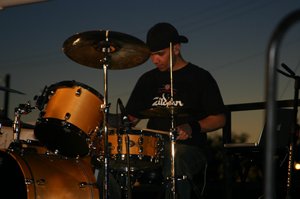
Imagine the electrifying rhythm, the synchronized movements, and the sheer impact of a group of percussionists commanding a field or parade—welcome to the world of the drumline!
- Build teamwork, discipline, and musical confidence through dynamic group drumming.
- Sharpen rhythmic skills and coordination with specialized drumline techniques.
- Unlock opportunities to perform at school, community, and competitive events.
Whether you’ve heard them at sporting events or watched jaw-dropping performances online, drumlines are a cornerstone of marching bands and drum corps culture. Ready to learn what sets a drumline apart—and how you can get started? Let’s break down everything you need to know. If you’re just getting started on your drumming journey, check out How to Play Drums for Beginners: Learn Easy Drum Basics for foundational tips.
- What Is a Drumline?
- Drumline Instruments Overview
- Roles and Structure in a Drumline
- Key Drumming Techniques on Drumline
- How to Join a Drumline
- Iconic Drumlines and Competition Culture
- Essential Practice Tips for Drumline Success
Suggested Products to help you #win at drumming:
-
Pearl Percussion Handheld Sleigh Bells
– Great for adding texture and dynamic interest to drumline and marching band performances. -
Pearl 14″ Carbonply Marching Snare Drum
– A high-quality snare drum designed for reliable performance and a crisp, responsive sound on the field. -
Pearl 12X14 Marching Tom
– The ideal multi-tenor drum for building versatile, robust drumline sections with focused projection. -
Pearl Championship Maple Marching Bass Drum
– Create a foundation of deep, powerful rhythm with a dependable, road-ready bass drum.
What Is a Drumline?
A drumline, sometimes called a battery, is a team of percussionists who form the heart of the marching band—bringing the group’s rhythm, power, and pulse to life. Unlike the typical drum set found in rock or jazz bands, drumlines feature a variety of marching percussion instruments carried and played in formation, often while executing choreographed movements.
Drumlines perform in parades, halftime shows, competitions, and school events, captivating audiences with their intricate cadences, flashy stick tricks, and tight unison playing. More than just playing in time, a good drumline delivers visual flair and showcases disciplined teamwork on every beat.
Drumline Instruments Overview
Let’s break down the main drums you’ll find in almost every drumline. Each instrument plays a distinct role, combining to create the massive sound and energy that defines the drumline experience.
| Instrument | Role in Drumline | Sound Characteristics |
|---|---|---|
| Snare Drum | Leads with crisp, articulate rhythms and accents | Sharp, bright, and cutting |
| Tenor Drums (Quads/Quints) | Melodic elements and complex patterns | Resonant, pitched, versatile |
| Bass Drums | Foundation, drive, and accent support | Deep, low, and powerful |
| Cymbals | Accents, texture, and visual excitement | Bright and explosive |
Some drumlines also incorporate unique percussion—or even handheld instruments like sleigh bells—adding new textures and colors to their performances. For example, Pearl Percussion Handheld Sleigh Bells are a smart and portable choice used to layer additional rhythms or highlight visual features in a show.
Roles and Structure in a Drumline
A typical drumline is divided into specialized sections, each with its own challenge and sense of camaraderie. Here’s a breakdown of the core roles:
- Snare Drummers: Known for their fast hands and precision, snare players often take the lead with intricate “rudimental” vocabulary and dynamic showmanship.
- Tenor Drummers: Multi-tenor or “quad” drummers play across several toms arranged together, demanding both technical proficiency and melodic awareness. Instruments like the Pearl 12X14 Marching Tom are made for this part.
- Bass Drummers: Typically arranged from smallest to largest, each bass drum player works as part of a harmonic team, dividing complex rhythmic lines. Having a championship-level drum such as the Pearl Championship Maple Marching Bass Drum can make a real difference in projection and depth.
- Cymbal Players: Provide sharp accents, crashes, and stunning visuals—often spinning and tossing their instruments in choreographed routines.
Section leaders and the drumline “center snare” often call out reps, lead visual cues, and help new members lock in tempo and technique. Building tight group coordination and leadership on the field is one reason why the Drummer Role in a Band: Why They’re the Backbone of Music translates across every music style.
Key Drumming Techniques on Drumline
Marching percussion calls for its own set of technical challenges and musical skills. Here’s what stands out compared to other types of drumming:
- Rudiments: Snare and tenor drummers drill classic patterns like paradiddles, double strokes, and flam taps for incredible consistency at fast tempos.
- Stick Heights & Visuals: Clean, synchronized stick heights are critical—not just for performance, but for the iconic visual appeal of a great drumline.
- Marching Form: Every note is played while moving in formation. Mastering posture, carriage, and precision step timing is essential.
- Split Parts: Especially on bass drums, each player must hold down their unique part perfectly so the drumline “speaks” as one voice—requiring tons of rep and focus.
Consistent practice with a marching snare drum like the Pearl 14″ Carbonply Marching Snare Drum helps drummers build the control and endurance needed for top performances. Staying disciplined in your technique will set you apart as you progress. As you advance, using 10 Powerful Drum Warm Ups to Boost Speed and Control in your routine will help you keep your hands fast and clean for demanding drumline music.
How to Join a Drumline
Ready to be part of the action? Here are practical steps for aspiring drummers:
- Find Local Programs: Most middle schools, high schools, and community groups offer marching bands with drumlines. Look for open auditions and ask your band director how to get involved.
- Private Lessons: Consider starting lessons with an experienced drumline instructor for focused technique improvement and reading skills.
- Gear Up: Before auditions, get comfortable practicing with a drum pad and sticks—some groups provide full drums, but others may require you to bring your own. Upgrade to lineset gear like a multi-tenor or quality snare for more advanced groups.
- Practice Rudiments: Show up knowing your basics. Familiarize yourself with the 40 essential snare drum rudiments—they are the language of drumline drumming!
- Develop Fitness and Stamina: Marching while playing is physically demanding. Regular exercise and intentional practice moving with your drum are a must.
For those aiming for top-tier competition, additional investment in reliable marching drums like the ones mentioned earlier—multi-tenor, snare, or bass—will set you up for long-term success. To boost your practice efficiency, check out the Best Drum Practice Routine for Faster Skills & Timing Mastery for a proven approach to building speed and control.
Iconic Drumlines and Competition Culture
The world of drumline is larger and more competitive than many newcomers realize. Besides the school bands in nearly every town, independent organizations and drum corps attract die-hard players from around the country.
Groups like The Blue Devils, Carolina Crown, and Santa Clara Vanguard have achieved legendary status for their innovative arrangements, jaw-dropping visual effects, and flawless performance. These elite groups set the standard for technique, endurance, and showmanship in the global marching percussion community.
Attending regional competitions or summer drum corps events is highly motivating for developing drummers—watching a professional drumline up close often lights a fire that keeps young players pushing their own skills further than they imagined possible.
Essential Practice Tips for Drumline Success
Even seasoned drummers face unique challenges when transitioning to drumline. Here are proven strategies to help you excel:
- Start Slow, Build Clean: Begin every new exercise or part at a manageable tempo, emphasizing accuracy and sound quality.
- Visual Consistency: Record yourself to check if your stick heights and marching form match with the rest of the section—often, it’s the visuals, not just the sounds, that judges (and audiences) notice!
- Repetition: Drumline is about muscle memory. Use reps to make rhythms effortless—10 perfect repetitions beats 100 messy ones.
- Sectionals: Practice with your section whenever possible, focusing on tight timing and clean transitions between individual voices.
- Stay Organized: Use tools like practice journals to set goals, track rep counts, and identify tricky passages for extra attention.
If you’re ready to bring your drumming to the next level, investing in robust practice gear—like a pro snare or multi-tenor—will help you transition what you learn at home directly onto the field, just like the Pearl marching drums featured above.
Conclusion
Drumline is about so much more than just playing fast and loud—it’s about becoming part of something greater, challenging yourself musically and physically, and creating unforgettable performances as a team.
If you’re inspired, challenge yourself to learn a new rudiment this week, or check out the suggested products above to better equip your practice. Hungry for more? Subscribe to our newsletter, join a local percussion group, or dive into additional drumming resources to fuel your passion for percussion.
FAQs
What is the main difference between a drumline and a traditional drum set?
A drumline features multiple drummers playing separate marching percussion instruments, usually in a marching band formation. Unlike a traditional drum set—which is played by one person and stationary—drumlines emphasize precision, synchronization, and are designed for outdoor or field performance.
How do you improve your drumline technique as a beginner?
Focus on mastering basic rudiments, developing solid stick control, and practicing clean, even strokes. Drumline practice routines should also include marching exercises to coordinate your playing with movement, as well as consistent group rehearsals.
What equipment do you need to join a high school drumline?
Most school programs provide drums, harnesses, and sticks, but investing in your own quality sticks, a drum pad, or even your own marching snare drum can accelerate your progress. Always consult your instructor for recommended gear for your specific section.
Are there age limits for joining a drumline?
Anyone can start learning percussion, but most organized marching band drumlines are part of middle schools, high schools, colleges, or all-age community ensembles. Independent drum corps may have age caps, typically between 21–22 years old for competitive groups.
What’s the best way to practice for a drumline audition?
Study the audition packet carefully, record yourself for feedback, and practice in front of a mirror to polish stick heights and form. Isolating drumline audition exercises in daily practice increases your chance of making the line.
How important is showmanship in a modern drumline?
Showmanship is a key factor! Judges and audiences look for visual effects—from stick tricks and choreography to crisp uniforms and confident presence. Discipline on both the musical and visual side is what sets top drumlines apart.
Can drumline skills transfer to other types of drumming?
Absolutely. Rudimental chops, timing, endurance, and teamwork gained in drumline translate directly to drum set, orchestral percussion, or even contemporary pop bands. You’ll build invaluable adaptability as a well-rounded percussionist.
Is drumline a good way to make friends and have fun?
One of the best! The camaraderie and teamwork in drumline create a unique bond among players, making rehearsals and performances both productive and exciting. You’ll make lasting friendships while growing as a musician.