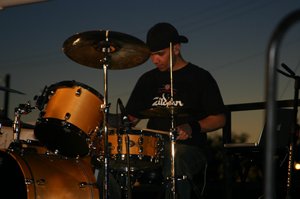
How To Get Drumming Gigs
There’s nothing quite like the rush of getting booked for a drumming gig. The crowd. The lights. The groove. Whether it’s that smoky jazz club, a wedding band, your favorite local venue, or a major stage—you feel alive behind the kit. But getting gigs? That takes hustle, strategy, and smart moves beyond the drum throne.
If you’re wondering how to break into the gigging scene—or get more consistent bookings—you’re not alone. Many aspiring drummers hit a wall when it comes to the “business” side of playing. But the good news? With the right mix of preparation, networking, and gear strategy, you can unlock serious opportunities.
- Earn Money Doing What You Love: Turn your passion for drumming into a source of income with live performances.
- Build a Reputation: Consistent gigs grow your visibility and make you the go-to drummer in your scene.
- Level Up Your Experience: Each gig is a chance to sharpen your skills, collaborate, and grow professionally.
If you’re ready to start filling your calendar with actual paying gigs—not just practice sessions or jam nights—this guide walks you through proven steps I’ve used (and still use) as a working drummer. Let’s get you booked and behind the kit.
Table of Contents
| Build Your Skillset First | Network Like a Musician |
| Promote Yourself Effectively | Be Professional (It Matters More Than You Think) |
| Find the Right Gigs | Gear That Books You Gigs |
| Conclusion | FAQs |
Suggested Products to help you #win at drumming:
- Vic Firth American Classic 5A Drum Sticks – A gigging staple, these sticks offer balance, responsiveness, and durability you can count on night after night.
- Roland SPD-SX PRO Sampling Pad – Bring studio-quality sounds and samples to your live setup and expand your gig versatility instantly.
- Gator Padded Drum Hardware Bag with Wheels – Protect your gear and roll into any venue like a pro with this road-ready solution.
- Audio-Technica In-Ear Monitor Earphones – Hear the mix clearly on every stage. These are a must for tight performances and long sets.
Build Your Skillset First
Before you even think about gigging, you need to be solid. That doesn’t mean playing with jaw-dropping technicality, but rather being consistent, tasteful, and versatile. Most gigs don’t require shredding—just solid groove, control, and musicality.
Practice the Right Things
- Timing: Use a metronome. Every. Single. Time.
- Styles: Get comfortable with rock, funk, pop, blues, jazz, and country basics.
- Playing in a band: Record yourself playing to backing tracks and analyze your musical choices.
Groove and feel are what land gigs—more than solos ever will. Your job is to make others sound better. Nail the fundamentals and you’ll become the drummer everyone wants to play with. Check out How to Play Drums for Beginners: Learn Easy Drum Basics for more practice tips.
Build Your Repertoire
Learn common cover tunes, bar setlists, and wedding standards. Being able to quickly adapt to different artists’ preferences—and even sight-read simple charts—can make you far more bookable.
Network Like a Musician
This isn’t about being pushy. It’s about being present in your local music scene and building real relationships. Word-of-mouth still books most gigs, especially when bands need a drummer fast.
Get Out There
- Attend open mics and jam sessions—even if just to listen at first.
- Introduce yourself to sound engineers, bass players, and venue managers.
- Say “yes” to subbing gigs—even unpaid ones early on can lead to paid work.
Drummers who are reliable, positive, and easy to work with almost always win out over flashier players. People hire who they know—and like.
Promote Yourself Effectively
You may be an amazing drummer, but if no one knows you exist, gigs won’t find you. Build your online presence with intention. Let people see your personality, skills, and what kind of gigs you’re seeking. To maximize your reach, consider advice from Top 10 Drumming Podcasts Every Drummer Should Follow Now.
Create a Simple EPK (Electronic Press Kit)
This can be a single-page website or even a polished social media post with these essentials:
- High-quality performance videos
- Short bio + list of genres
- Gear list (especially if you bring your own kit/electronics)
- Clear contact information
A solid EPK helps band leaders and music directors quickly assess if you’re right for the gig.
Be Professional (It Matters More Than You Think)
Showing up on time, responding to messages quickly, being prepared—these basic behaviors make or break your reputation.
| Professional Trait | Why It Matters |
|---|---|
| Preparedness | Saves rehearsal time and shows respect for others |
| Flexibility | Helps you adapt when setlists or cues change live |
| Clean setup/teardown | Win points with venue staff and other bands |
Also: dress appropriately for the gig type, avoid drama, and know how to play well *with* others. A great attitude books repeat work as often as great playing.
Find the Right Gigs
Not every gig is a great fit—and that’s okay. Focus on gigs that play to your strengths and goals. Here are some common avenues:
- Local Bands: Join or sub in for cover bands, wedding bands, bar outfits.
- Church or Worship Gigs: Excellent for consistent work and improving dynamics.
- Studio Sessions: Get paid to track drums from home using your own setup. Learn how in How to Record Drums at Home Like a Pro (No Studio Needed).
Use sites like Facebook Groups, BandMix, or even Craigslist—but vet them. Look for bands that value preparation and chemistry over chaos.
Gear That Books You Gigs
You don’t need the flashiest gear—but you do need reliable tools that help you show up ready. Your gear should make life easier for everyone: you, your band, and the sound tech.
Essential Tools for Gigging Drummers
- Vic Firth American Classic 5A Drum Sticks – Trust me, bring spares. Lots of spares.
- Gator Padded Drum Hardware Bag with Wheels – Makes load-ins smooth and protects your investment.
- Roland SPD-SX PRO Sampling Pad – This lands pop, worship, and hip hop gigs. Learn to use it well.
- Audio-Technica In-Ear Monitor Earphones – Good in-ears are non-negotiable for working drummers at every level.
Tip: Keep your setup tidy. Tangle-free cables, no squeaky pedals, and good tone = more trust (and better sound checks). Practice with intention using advice from 10 Powerful Drum Warm Ups to Boost Speed and Control.
Get Behind the Kit—And Get Paid
Landing drumming gigs isn’t just about chops—it’s about mindset, preparation, and reputation. If you focus on being dependable, versatile, and fun to work with, your phone will start buzzing. Start small. Say yes to opportunities. Build your name one stage at a time.
And as your gig calendar fills up, make sure your gear supports your hustle. Check out the recommended products above to level up your kit, streamline setup, and boost your performance. Want more insider gigging tips? Subscribe to our newsletter and get exclusive strategies from real working drummers every week.
FAQs
How do beginner drummers find paid gigs in their area?
Start by attending open jams and connecting with local musicians. Join online communities where bands look for fill-ins or part-time players. Build a basic digital presence and let people know you’re available to play.
Do drummers need their own kit to get gigs?
Owning a kit is helpful, especially for rehearsals and bar gigs. However, for some venues or touring opportunities, backline kits are provided. Always clarify with the band what you need to bring—but aim to have reliable gear like your own snare, cymbals, and pedals.
What kind of gear do I need for live drumming gigs?
Budget-friendly essentials include good sticks, a gig-worthy snare, in-ear monitors, and possibly a sampling pad like the Roland SPD-SX PRO to expand your versatility. Quality gear shows you’re serious and prepared.
Is online promotion really that important for drummers?
Yes. Most first impressions happen online. A short gig clip on Instagram or a clean profile on platforms like SoundBetter or BandMix can make all the difference. You don’t need to go viral—you just need to be findable and credible.
How do I get recurring drumming gigs instead of one-offs?
Be reliable, show up positive, and always over-prepare. The musicians who treat others well and know their parts without handholding become first-call players in any scene.
Can I get gigs if I mainly play electronic drums?
Yes, especially in pop, EDM, and worship contexts. If you can integrate electronic elements (like triggering samples or loops), you’re extremely valuable. Just make sure your setup is gig-ready and easy to transport.