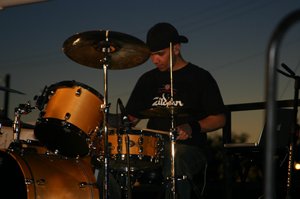
Jazz drumming is a world of creativity—full of subtlety, groove, and spontaneous energy. For beginners, it’s both a challenge and a thrill, opening the door to dynamic rhythms and legendary standards. If you’re totally new to drumming, How to Play Drums for Beginners: Learn Easy Drum Basics is a great foundational resource.
- Discover the fundamentals of jazz rhythms and what makes the swing feel unique.
- Learn practical jazz drumming patterns and exercises you can start using today.
- Unlock tools and product recommendations that make your jazz drumming journey smoother.
If you’ve ever dreamed of playing in a jazz combo or just want to add flair to your drumming style, this guide will show you where to start—with clear examples and pro-level tips.
- Jazz Drumming Beginnings: What Makes Jazz Unique?
- The Basic Jazz Ride Pattern
- Simple Jazz Comping Examples
- Using Brushes in Jazz Drumming
- Practice Tips for Beginners
- Jazz Drum Gear for Beginners
- Table: Common Jazz Groove Examples
- Conclusion
- FAQs
Suggested Products to help you #win at drumming:
-
Vic Firth American Classic 7A Drumsticks
– A reliable pair of sticks for crisp articulation and excellent control, perfect for the lighter playing often found in jazz. -
Promark B600 Nylon Telescopic Wire Brush
– Easily produce classic sweeping sounds for jazz ballads and authentic brushwork on the snare. -
Evans RealFeel 2-Sided Practice Pad
– A versatile practice pad to develop technique and master jazz rhythms quietly at home or on the go.
Jazz Drumming Beginnings: What Makes Jazz Unique?
Jazz drumming is about finding your voice within a constantly shifting musical landscape. Unlike rock or pop, jazz relies on interaction between instruments, subtle dynamics, and a swing feel that’s all about groove and finesse rather than sheer volume.
It emphasizes listening as much as playing—drummers support soloists and respond in real time. Jazz also leaves space for improvisation, so no two performances are ever exactly alike. Understanding this philosophy is just as important as learning the patterns themselves.
The Basic Jazz Ride Pattern
For beginners, jazz drumming almost always starts on the ride cymbal. The classic ride pattern—sometimes called the “spang-a-lang”—establishes the swing rhythm and signals the style instantly. If you’d like to develop more control and speed to play these patterns, try these 10 Powerful Drum Warm Ups to Boost Speed and Control as part of your practice routine.
Here’s the basic jazz ride cymbal pattern:
- Count: 1 2 3 4 (“ding ding-da ding”)
- Play: 1 (cymbal), 2 (rest), & (cymbal), 3 (cymbal), 4 (rest), & (cymbal)
- Emphasize beats 2 and 4 gently with hi-hat foot (“chick”)
Start slowly and focus on a relaxed wrist. Using a lighter stick—like the Vic Firth American Classic 7A Drumsticks—can make your articulation clean and energetic without overpowering the rest of the band.
Simple Jazz Comping Examples
Comping (short for “accompanying”) is how a jazz drummer interacts with the rest of the ensemble, often on the snare and bass drum. In jazz, comping should be light, varied, and provide support without taking over.
- Keep your snare and bass drum notes on the “&”s and just off the main beats—this creates syncopation and that laid-back swing.
- Listen closely to piano and soloists; your job is to accent, converse, and respond.
A good starting exercise is to play the basic ride pattern with your right hand, add hi-hat on 2 and 4 with your left foot, and start interjecting soft snare hits on “&” of 2 or 4. For more insight into working as part of a group, check out Drummer Role in a Band: Why They’re the Backbone of Music.
Using Brushes in Jazz Drumming
Brushes are iconic in jazz for their smooth, mellow sound—especially in ballads or quieter sets. Learning basic brush technique adds a whole new palette to your playing and is a skill every jazz drummer should develop.
With a brush in each hand, try the classic “sweep” pattern on the snare: one brush moves in a continuous circle, the other taps out the pulse. The Promark B600 Nylon Telescopic Wire Brush is ideal for this, offering flexibility and clear tone for both beginners and seasoned players.
Take time to experiment—brushes can be used for sweeping, tapping, accents, and even imitating cymbal sounds on the snare.
Practice Tips for Beginners
Jazz demands both technical control and deep listening skills. To start, set aside time daily to focus on:
- Steady ride pattern practice with a metronome or backing track
- Slow, deliberate snare comping—focus on phrasing, not speed
- Playing along with jazz recordings to absorb feel and phrasing
Use a quality practice pad like the Evans RealFeel 2-Sided Practice Pad to hone your hand technique, rudiments, and dynamic control without needing a full drum kit or making a ton of noise. Need help organizing your practice? You might like the Best Drum Practice Routine for Faster Skills & Timing Mastery guide for structured ideas.
Above all, be patient and consistent—jazz drumming evolves as you do.
Jazz Drum Gear for Beginners
Building your first jazz kit can be simple; focus on essentials that suit lighter playing and controlled dynamics:
- Sticks: Light, balanced sticks such as the Vic Firth American Classic 7A Drumsticks are great for articulation and finesse.
- Brushes: Nylon or wire brushes help you create the classic jazz sound, with models like the Promark B600 offering versatility and durability.
- Practice Pad: The Evans RealFeel 2-Sided Practice Pad is perfect for quiet, effective practice of jazz patterns and rudiments in any setting.
You can start on a basic drum kit or even just with a snare, hi-hat, and ride cymbal—many jazz drummers use smaller setups to match the intimate sound of the genre.
Table: Common Jazz Groove Examples
| Groove | Application | Tip for Beginners |
|---|---|---|
| Standard Swing | Bebop, big band, combo gigs | Keep ride steady, add light hi-hat “chick” on 2 & 4 |
| Ballad Brush Sweep | Slow ballads, vocal standards | Use brushes to create flowing, soft sweeps on snare |
| Latin Jazz Groove | Bossa nova, samba fusion | Use cross-stick on snare, straight ride pattern, mimic clave rhythm |
| Up-tempo Swing | Fast bebop, energetic jams | Keep strokes relaxed, focus on articulation not volume |
As you get comfortable, try moving between these grooves smoothly, always listening and adapting to the band around you. For more about dynamics and advanced touch, see Master Drum Dynamics: Pro Techniques to Boost Your Playing.
Conclusion
Jazz drumming for beginners is a journey filled with discovery and creativity. By mastering the basic ride pattern, simple comping phrases, and exploring technique with both sticks and brushes, you’ll unlock a world of expressive drumming and musical possibilities.
I encourage you to try out a ride pattern or brush sweep today, experiment with the suggested products, and immerse yourself in as much jazz listening as you can. For more tips, lessons, and gear reviews, subscribe and keep exploring—your best drumming is yet to come!
FAQs
What is the most important skill for jazz drumming beginners?
Developing a solid swing feel and the ability to listen closely to the rest of the band is essential. Jazz drumming requires you to be both the timekeeper and a responsive musical partner, adapting to dynamics and cues in real time.
How do I practice jazz drumming without a full drum kit?
Many jazz drummers start with just a practice pad, a pair of sticks or brushes, and a metronome. Using an Evans RealFeel practice pad allows you to focus on technique, stick control, and jazz patterns quietly and effectively.
What are good drumsticks for jazz beginners?
Lighter sticks such as the Vic Firth American Classic 7A tend to work well for jazz due to their balance and control. Softer sticks help you develop your finesse and enable the expressive playing jazz demands.
Why do jazz drummers use brushes?
Brushes are popular for their warm, smooth sound and their ability to produce various tones—especially at low volumes. They’re perfect for ballads and more intimate settings, expanding your stylistic versatility as a drummer.
How can I make my jazz grooves sound more authentic?
Listen carefully to jazz recordings and play along to internalize the swing and phrasing. Use subtle dynamics, syncopation, and comping on snare and bass drum to give your playing that unmistakable jazz character.
How often should beginners practice jazz drumming?
Practicing consistently—even 15–30 minutes each day—yields the best results. Frequent short sessions help build muscle memory, groove, and jazz vocabulary much more effectively than long weekly practice stints.
What is ‘comping’ in jazz drumming?
Comping means accompanying or complementing other players, usually using the snare, bass drum, or even cymbals. In jazz, this is a creative and highly interactive skill that helps drive the ensemble and support solos.