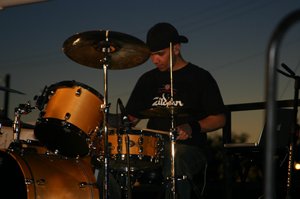
Getting better at drumming isn’t about flashy solos—it’s about smart, consistent practice. Whether you’re just getting started or refining your chops, an intentional drum practice routine makes all the difference.
- Maximize your time behind the kit with focused exercises.
- Build the muscle memory and control needed for live performance or studio sessions.
- Break past plateaus by targeting key skills step-by-step. You can also follow routines like those found in Best Drum Practice Routine for Faster Skills & Timing Mastery.
In this review, we’ll break down what an effective drum practice routine should include, walk through real-world examples, recommend top gear to support your sessions, and share tips from decades behind the kit. Ready to level up your playing?
Table of Contents
- Why Practice Matters More Than Talent
- The Essential Elements of a Great Practice Routine
- Sample 60-Minute Practice Breakdown
- Tools That Make Practice More Effective
- Tracking Progress Over Time
Suggested Products to help you #win at drumming:
-
Donner Drum Practice Pad Set
– Ideal for silent practice and improving hand technique without a full kit. -
Vic Firth American Classic 5A Drumsticks
– A reliable stick choice that suits most practice sessions and styles. -
Korg MA-2 Digital Metronome
– Helps keep your practice tight and timed with a portable, accurate beat. -
Pearl P930 Demonator Bass Drum Pedal
– A solid single pedal for locking in foot technique and practicing precision.
Why Practice Matters More Than Talent
Talent might get you noticed, but consistent, focused drum practice is what transforms you into a reliable, confident player. I’ve seen drummers with average natural ability outshine the “gifted” ones simply by putting in structured, mindful reps over time. Read more about this in Drummer Role in a Band: Why They’re the Backbone of Music.
Practice builds muscle memory, reinforces groove, and tones your internal clock. It trains your hands, feet, and ears to respond instinctively—which is essential during fast-paced gigs or complex studio work.
The Essential Elements of a Great Practice Routine
An effective drum routine isn’t just running through your favorite licks or songs. It’s about working on four core areas of drumming consistently:
- Technique: Hand speed, stick control, Moeller motion, foot independence.
- Timekeeping: Practicing with a metronome, subdividing, playing to clicks. To go deeper, check out Master Drum Timing Skills: Boost Speed, Precision & Control.
- Vocabulary: Learning rudiments, grooves, and fills across dynamics and tempos.
- Application: Playing along with tracks, improvising, and jamming.
Each part serves a purpose—technique gives you control, timekeeping keeps your playing tight, vocabulary expands your musical options, and application builds performance fluency.
Sample 60-Minute Practice Breakdown
If you’ve got an hour a day, here’s a balanced structure to make every minute count. You can modify the times depending on your goals:
| Segment | Time | Focus |
|---|---|---|
| Warm-up | 10 min | Rudiments on a practice pad or snare—start slow, increase speed gradually. |
| Technique | 15 min | Work on foot speed, stick control, or weak-hand drills. Try these Top Drumming Speed Drills to Boost Speed and Precision Fast. |
| Timing | 10 min | Play grooves or patterns with a metronome—focus on different subdivisions. |
| Grooves & Fills | 15 min | Learn or create new grooves, practice common fill ideas and transitions. |
| Play-Along | 10 min | Jam with songs in varied tempos and styles to apply what you’ve practiced. |
This structure reinforces consistency and mastery over time. Use simple tools like the Korg MA-2 Digital Metronome to fine-tune your internal pulse.
Tools That Make Practice More Effective
The right gear doesn’t make a drummer great—but it helps make practice more effective and enjoyable. Here are a few essential tools that I regularly recommend to my students:
- Donner Drum Practice Pad Set: Practice anywhere, anytime, without disturbing neighbors. Great for warm-ups and rudiments.
- Vic Firth American Classic 5A Drumsticks: Durable and balanced, perfect for building muscle memory and control.
- Korg MA-2 Digital Metronome: A precise way to stay on time—especially when pushing tempos or trying complex grooves.
- Pearl P930 Demonator Bass Drum Pedal: An excellent mid-level pedal for developing kick control and power.
Make these tools part of your regular setup to turn good habits into great playing.
Tracking Progress Over Time
One of the easiest ways to plateau is by not tracking what you’re working on. A simple practice journal can be a game-changer. Log what you practiced, for how long, and what gave you trouble. Over time, you’ll spot patterns—and wins.
Record audio or video clips of your sessions periodically. Listening back not only shows your growth but reveals timing issues or dynamic inconsistencies you might miss while playing.
Set weekly or monthly goals tied to measurable outcomes: Increasing tempo range, mastering a rudiment, or learning a song by memory. Keeping progress visible builds motivation.
Conclusion
Great drummers aren’t born—they’re built through consistent, smart practice. Whether you’re refining your hands, tightening your time, or exploring new grooves, a balanced routine will carry you far. Pair your discipline with trusted tools like a practice pad set or a reliable metronome to enhance your progress even more.
Try the 60-minute routine above this week. Make note of what clicks and what challenges you. Explore the suggested products to strengthen your setup, and subscribe for deeper dives into advanced routines, gear reviews, and pro playing tips. Your best drumming starts with your next session.
FAQs
What is the best drum practice routine for beginners?
Start with short, focused sessions that include basic stick control, simple grooves, and playing with a metronome. A structure like warm-up, technique, and play-along keeps the routine manageable and fun.
How can I improve my drum technique quickly?
Focus on daily rudiment practice, slow and controlled tempos, and consistency. Use tools like the Vic Firth American Classic 5A Drumsticks to build feel and sensitivity while you work your hands.
Should I use a metronome in every practice session?
Yes—especially when working on timing and groove. The Korg MA-2 Digital Metronome helps you internalize steady tempo, which is critical for both live drumming and recording.
How do I know I’m making progress in my practice sessions?
Keep a log of what you practice and review audio or video recordings. Tracking your speed, precision, and ability to play cleanly across different tempos reveals growth over time.
What drum gear should I invest in for practicing at home?
Start with a solid practice pad like the Donner Drum Practice Pad Set, a quality pair of sticks, and a metronome. If you want to include foot technique, a reliable bass drum pedal like the Pearl P930 Demonator is a great addition.
How long should I practice drums each day?
Consistency is more important than duration. Aim for at least 30–60 minutes a day, focusing on specific goals. Even 15-minute focused sessions can yield great results if done daily.
What’s the biggest mistake drummers make during practice?
Practicing without intention—just jamming or playing what’s comfortable. A structured routine that targets weak spots is key to real improvement.