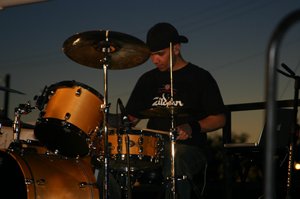
Metal drumming isn’t just about raw power—it’s about unleashing controlled chaos, building relentless energy, and driving the band forward with precision. Whether you’re dreaming of double kick glory or simply want to thrash harder and tighter, these fundamentals will set your drumming apart in the metal scene. If you’re just getting started, check out How to Play Drums for Beginners: Learn Easy Drum Basics for foundational tips.
- Gain confidence with double bass patterns and build your speed from the ground up.
- Master essential metal beats and fills that help you lock in tightly with your band.
- Discover insider gear tips to maximize comfort, durability, and performance behind the kit.
Ready to bring thunder to every rehearsal? This deep dive into metal drumming basics will get you started with practical strategies, essential exercises, and the gear you need to grow. Let’s break down what it takes to be an effective—and seriously loud—metal drummer.
- What is Metal Drumming?
- Absolute Essentials for Metal Drummers
- Core Metal Drumming Techniques
- Practice Tips for Metal Drummers
- Choosing the Right Gear
- Conclusion
- FAQs
Suggested Products to help you #win at drumming:
-
Tama Iron Cobra 200 Double Bass Drum Pedal
– Achieve fast, consistent double kick speed with dependable mechanics designed for metal drummers. -
Roland TD-02K Electronic V-Drums Kit
– Practice quietly without sacrificing the feel of a real kit, perfect for building stamina and speed at home. -
Vic Firth American Classic Metal Drumsticks
– Designed for power and durability, these sticks withstand aggressive playing and help enhance your attack. -
Zildjian ‘A’ Custom 20” Medium Ride Cymbal
– Project your grooves with clarity—this cymbal delivers the precise articulation and volume metal requires.
What is Metal Drumming?
At its core, metal drumming is about generating relentless energy and dynamic rhythms that propel a band’s sound. The style is defined by speed, aggression, and technical proficiency. From classic heavy metal’s driving beats to the extreme blast beats of death metal, drummers in this genre must combine intensity with pinpoint accuracy.
Metal drummers are also known for their ability to execute fast double bass patterns, deliver thunderous fills, and maintain control—even when the music is pushing 200 BPM or more. To thrive, you’ll need powerful foot techniques, strong wrists, and the discipline to lock into complex song structures. Looking to sharpen your role in the rhythm section? See Drummer Role in a Band: Why They’re the Backbone of Music for more insight.
Absolute Essentials for Metal Drummers
If you want to make an impact in metal, certain drumming fundamentals demand your focus:
- Consistent timing—stay locked with guitars and bass, especially during tempo shifts and syncopated riffs.
- Endurance and stamina—play at high speeds for extended periods, often with minimal rest between songs.
- Clean double kick technique—execute fast, controlled patterns without sacrificing clarity or power.
- Durable gear choices—metal punishes equipment, so every stick, pedal, and head must withstand aggressive use.
Developing these skills takes more than raw strength—you’ll need refined technique, smart practice habits, and a true passion for hard-hitting rhythms. For targeted speed training, explore Top Drumming Speed Drills to Boost Speed and Precision Fast.
Core Metal Drumming Techniques
Let’s break down the key techniques every aspiring metal drummer must master:
Mastering the Double Bass Drum
Nothing defines the sound of modern metal drumming like the double kick. Even with an entry-level double pedal (like the Tama Iron Cobra 200 Double Bass Drum Pedal), you can develop blazing fast triplets, sixteenths, and bursts that give metal tracks their signature pulse.
- Practice heel-up and heel-down foot techniques; start slow and focus on even, powerful strokes.
- Use a metronome and set clear tempo goals; bump your BPM up gradually for speed and clean execution.
- Play unison patterns with both feet—then try splitting up rhythms, accenting with right or left for variety.
Building Powerful Hands
The demand for precision and speed in metal is brutal on your hands. Using robust sticks—like Vic Firth American Classic Metal Drumsticks—can absorb shock and resist damage, helping you retain control during intense passages.
- Focus on wrist and finger control with accent exercises and fast single-stroke rolls.
- Work on building up rimshots and clear ghost notes to add depth to your grooves. Or, master the basics first with Ghost Notes Drumming Explained: Master Subtle Groove Skills.
- Use practice pads for daily warm-ups—consistency off the kit will translate onto it.
Blast Beats and High-Speed Grooves
Bands like Slayer, Behemoth, and Lamb of God popularized tight, high-speed grooves and aggressive snare/bass interplay. Here’s how to break in:
- Alternate between single and double-handed blasts; start slow, aiming for evenness over raw speed.
- Layer in accents and open hi-hat splashes to keep your groove interesting.
- Experiment with fills—use both toms and cymbals to create dramatic transitions.
| Technique | What it Delivers | Practice Tip |
|---|---|---|
| Double Bass | Relentless drive & fast pulse | Start at 60-80 BPM; increase by 5 BPM when consistent |
| Blast Beat | Extreme intensity & texture | Keep limb movements minimal for efficiency |
| Group Fills | Creative transitions | Split the phrase between hands/feet for speed |
Practice Tips for Metal Drummers
As someone who’s spent countless hours pushing physical and mental limits, I can confirm: practice is everything. Here are my best tips for rapid progress. For more structured plans, visit Best Drum Practice Routine for Faster Skills & Timing Mastery to supercharge your development:
- Daily stamina workouts—Set a timer for 10–20 minutes and drill double bass or blast beats at challenging tempos.
- Record yourself—Use your phone or an electronic kit like the Roland TD-02K Electronic V-Drums Kit to capture your playing and spot areas for improvement.
- Alternate technique and creativity—Balance metronome drills with improvising new fills or groove variations.
- Rest and recover—Give your hands and feet breaks. Try stretching and light grip work to avoid fatigue or injury.
Most importantly: set goals and celebrate progress. Even slight increases in speed or accuracy lead to breakthroughs over time.
Choosing the Right Gear
Metal drumming is demanding on your kit and accessories. Compromising on durability or comfort can quickly hinder your performance. Pay particular attention to:
- Pedals—A quality double pedal can make or break your ability to execute speedy patterns. Starting with robust models like the Tama Iron Cobra 200 will pay off in smoothness and reliability.
- Sticks—Select sticks engineered for heavy-hitting—Vic Firth’s American Classic Metal Drumsticks, for example, are designed to handle prolonged assault. Learn more about durable options in Best Drumsticks for Every Drummer: Top Picks & Buying Guide.
- Cymbals—A ride cymbal with bright projection, such as the Zildjian ‘A’ Custom 20” Medium Ride Cymbal, allows you to cut through a wall of guitars and maintain clarity in your patterns.
- Electronic kits—Hybrid or electronic kits are essential for silent practice or home recording. The Roland TD-02K Electronic V-Drums Kit provides a natural feel while saving neighborly goodwill!
Remember, good gear reinforces good habits. Invest in products proven to withstand the punishment metal drumming brings, and you’ll spend less time fixing problems and more time growing as a player.
Conclusion
Stepping into the world of metal drumming means mastering both speed and consistency—while expressing yourself with every note. Explore the double bass, blast beats, and creative fills outlined here, and pair your progress with the suggested gear for the best results.
Try one of the core techniques at your next practice, consider upgrading your sticks, pedals, or kit, and don’t forget to subscribe to your favorite drumming channels for continued inspiration. Every great metal drummer started exactly where you are—let these basics be your launchpad to something legendary.
FAQs
What are the best double bass exercises for metal drumming speed?
Using double bass pedal exercises like alternating singles and controlled bursts at varied tempos is one of the most effective ways to build speed. Start slow—aim for even, consistent hits before ramping up your BPM. Incorporate a metronome and record your progress weekly for long-term results.
Do I need special drumsticks for playing metal?
Heavy genres like metal often require specialized drumsticks built for durability and power, such as the Vic Firth American Classic Metal Drumsticks. They help prevent breakage under constant hard-hitting, providing better control and longer playing life.
What gear upgrades make the biggest difference for beginner metal drummers?
Upgrading to a robust double bass pedal and high-projection ride cymbal can transform your grooves and speed—both are essential metal drum gear. A reliable electronic kit also enables frequent, silent practice at any hour.
How do I keep up stamina during fast metal songs?
Developing stamina for metal drumming takes dedication. Practice endurance drills, take regular breaks, and build strength with daily double kick patterns and hand exercises. Pay attention to your body and vary your routines to avoid fatigue.
What’s the best way to practice blast beats for beginners?
When starting with blast beat drumming, break down the motion and slow the tempo. Focus on control rather than speed—practice with both traditional and gravity blast grips until you can maintain the rhythm smoothly. Gradually increase speed without sacrificing accuracy.
Which cymbals are best for cutting through heavy guitar sounds?
Opt for bright ride and crash cymbals that produce clear, cutting tones. Models like the Zildjian ‘A’ Custom 20” Medium Ride Cymbal are designed to offer the projection and clarity necessary to stand out in a wall of guitars.
How important is posture and setup for metal drumming?
Proper drum setup and posture are crucial for both comfort and efficiency, especially when playing at high speeds. Adjust your throne height, pedal placement, and cymbal angles so your movements can be quick and powerful without straining your body.