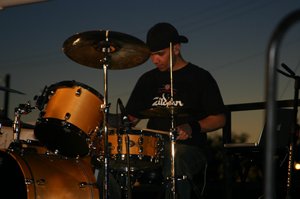
Ready to supercharge your skills and own the pep band drum throne? Mastering pep band drumming isn’t just about volume—it’s about precision, energy, and leadership behind the beats that move the crowd and rally the team. If you’re completely new to drumming, be sure to check out the How to Play Drums for Beginners: Learn Easy Drum Basics guide before diving in.
- Learn how to energize your playing for maximum impact at games and school events.
- Get insider practice tips that boost timing, endurance, and groove.
- Find out which gear upgrades can instantly elevate your performance and comfort.
If you’re ready to take charge of the tempo, become the heartbeat of your band, and have more fun with every performance, these pro-level strategies will get you noticed—on the field and in the stands. Let’s dig into the essential approaches to become a standout pep band drummer!
- Essentials of Pep Band Drumming
- Developing Tight Rhythmic Control
- Projection, Volume, and Drum Sound
- Personnel and Ensemble Awareness
- Top Practice Strategies for Pep Band
- Gear Upgrade Tips
Suggested Products to help you #win at drumming:
-
Vic Firth American Classic 5A Drumsticks
– A trusted classic for pep band drummers, these sticks balance control and power for energetic, reliable performance. -
Ludwig Supralite Snare Drum – 14×5.5
– Perfect for projecting crisp, lively snare sounds during loud pep band performances. -
Pearl Percussion Percussion Percussion Percussion Stand
– This rugged stand keeps your kit stable and comfortable, letting you play with confidence on the move. -
Evans RealFeel 12 Inch Practice Pad
– Offers a realistic playing surface to sharpen your technique silently between gigs and rehearsals.
Essentials of Pep Band Drumming
Pep band drumming goes beyond banging on the snare—it’s about defining energy and driving momentum. As a pep band drummer, you’re responsible for keeping the ensemble together, supporting melodies, and projecting infectious energy. Audience engagement starts with you, so every phrase and accent matters.
Consistency and adaptability are crucial. Pep band arrangements often feature quick changes in tempo and style, so solid timekeeping and the ability to lock in with horns and rhythm section are essential skills. Remember, it’s your responsibility to rally the band and audience—even when the acoustics are challenging.
Because pep bands perform in environments full of noise and distractions, developing clear stick heights, sharp accents, and purposeful dynamics will set you apart. Think of yourself as the musical floor that every other member stands on. For additional insight on the drummer’s leadership role, read Drummer Role in a Band: Why They’re the Backbone of Music.
Developing Tight Rhythmic Control
The true glue of a rock-solid pep band is rhythmic discipline. The most effective pep band drummers blend metronomic pulse with character and drive.
Here’s how you can lock down your groove and timing:
- Subdivision Awareness: Practice with a metronome, varying tempos and subdivisions (8ths, 16ths, triplets) to build muscle memory and flexibility.
- Accent Exercises: Focus on accenting backbeats and hits in unison with the band. Use exercises that shift accents around the bar for control.
- Rudiment Integration: Incorporate snare drum rudiments (paradiddles, flams, rolls) into your warm-ups and fills to add texture and clarity.
Many drummers improve their control at home with reliable sticks and practice pads. The Vic Firth American Classic 5A Drumsticks, combined with a quality pad like the Evans RealFeel 12 Inch Practice Pad, are standards for daily practice—giving realistic rebound and feel without wearing out your gear or your patience. If you want even more targeted control, try exercises in 10 Powerful Drum Warm Ups to Boost Speed and Control.
Projection, Volume, and Drum Sound
Stadiums, gymnasiums, and outdoor fields require your drums to cut through layers of sound. Achieving this isn’t about sheer force; it’s about smart technique and gear choice.
Here are essential ways to enhance your projection and tone:
- Controlled Moeller Motion: Use a fluid Moeller technique for natural volume and efficient energy transfer, especially on accents and backbeats.
- Dynamic Range: Practice crescendo and decrescendo exercises to vary your volume, so highlights leap out instead of constant fortissimo.
- Snare Selection: A bright, articulate snare like the Ludwig Supralite Snare Drum – 14×5.5 ensures your ghost notes and rimshots are clear and commanding.
If your current snare is dull or lacks projection, an upgrade can revolutionize your pep band sound. Even subtle gear changes are noticeable in group settings. To learn how to get even more out of your dynamic range, check out Master Drum Dynamics: Pro Techniques to Boost Your Playing.
Personnel and Ensemble Awareness
Great pep band drummers are also great team players. They listen, adjust, and interact with every musical moment. Manuals may tell you what to play, but lived experience—and hours of rehearsal—teach you how to play for the band’s benefit.
Key tips for ensemble synergy:
- Non-Verbal Communication: Learn conductor cues and develop signals with the rhythm section (head nods, stick lifts) to signal changes or emphasize entries.
- Balancing Volume: Adapt your dynamics based on what you’re hearing—don’t drown out solos or key melodies. Use lighter sticks or rim-clicks during softer sections.
- Instant Recovery: When mistakes happen, recover quickly by locking onto the nearest downbeat. Leading confidently gets the band back on track.
A stable kit setup makes adapting easy. Using a sturdy accessory like the Pearl Percussion Percussion Percussion Percussion Stand will prevent shifting during high-energy sets—meaning one less thing to worry about so you can focus on musicianship.
Top Practice Strategies for Pep Band
Effective, focused practice is the fuel for every great performance. Pep band drummers need stamina, mental agility, and a deep reservoir of groove patterns. For more on effective practice, see the Best Drum Practice Routine for Faster Skills & Timing Mastery.
Here’s a targeted weekly practice routine:
| Day | Focus Area | Practice Goal |
| Monday | Rudiments | Work singles, doubles, and paradiddles at increasing speeds |
| Tuesday | Groove Variations | Practice common pop/rock/hip-hop pep band patterns |
| Wednesday | Ensemble Tunes | Run full pep band charts, focusing on accuracy |
| Thursday | Dynamic Control | Play exercises using whisper-soft to full-volume transitions |
| Friday | Endurance | Play 10+ minutes non-stop with a metronome to build stamina |
Supplement these sessions with pad practice on something like the Evans RealFeel 12 Inch Practice Pad—these tools help you master stick control, even when away from the drums. Mix in listening sessions to pro pep band recordings to absorb phrasing and feel.
Gear Upgrade Tips
Battling gear breakdowns or fighting uncooperative equipment will slow your growth. Smart investments in reliable, performance-oriented gear let you focus on performing, not problem-solving.
Consider these upgrades for a pro-level pep band setup:
- Drumsticks: Flexible options like the Vic Firth American Classic 5A Drumsticks offer perfect balance, especially for high-energy tunes.
- Snare Drum: If your sound doesn’t cut it, the Ludwig Supralite Snare Drum is a favorite for reliability and projection in the wildest venues.
- Practice Pad: Use a quiet, realistic pad like the Evans RealFeel 12 Inch Practice Pad to build speed and control anywhere, anytime.
- Hardware: A stable stand, such as the Pearl Percussion Percussion Percussion Percussion Stand, keeps your drums solid during travel and performance.
When your gear works with you—not against you—you’ll deliver your best possible performance every show. You can also explore the Best Drumsticks for Every Drummer: Top Picks & Buying Guide if you’re ready to try out new sticks tailored for your playing style.
Conclusion
With these professional insights, you’re set to command your pep band drumming with confidence—through sharper technique, greater ensemble connection, and smart gear choices. Practice diligently with the routines outlined here, experiment with small upgrades like new sticks, pads, or snares, and stay open to listening and teamwork. Try out an exercise from this guide at your next rehearsal, browse the recommended gear for that extra edge, and explore more drumming resources to stay inspired. Every crowd awaits your groove—make your next performance your best yet!
FAQs
What are effective warm-up routines for pep band drummers?
Warming up with classic snare rudiments—like singles, doubles, and paradiddles—helps you react to tempo changes and play with confidence. Start slow, focus on even strokes, and use a practice pad if possible. Gradually build speed and incorporate groove-playing before full band rehearsals.
How can I improve timing and accuracy in pep band?
Practicing regularly with a metronome develops a solid sense of internal tempo, which is essential for group playing. Also, integrating subdivision exercises and listening skills will help your timing blend seamlessly with the rest of the band. Focused repetition and attentive listening yield the best results.
What equipment upgrades help pep band drummers most?
Sturdy, balanced drumsticks, a reliable snare drum, and a comfortable, stable stand are top upgrades—each enhances projection, consistency, and confidence. Upgrading your practice pad allows for quiet, detailed technique work off the field. Choose well-reviewed products designed for student and intermediate players.
What is the best way to stay relaxed during pep band performances?
Deep breathing and a relaxed grip prevent tension—even during exciting parts of the show. Plan for brief mental resets by focusing on comfortable posture and loose wrists. Confidence in your gear and preparation is key to performing with ease on game day.
How do I balance volume in loud gymnasiums or stadiums?
Project by using stick heights and controlled stroke technique, instead of relying on brute force. Adjust your dynamics to blend with the full band—especially vocals or melodic instruments. Gear choices, like a snare designed for projection, will help your sound cut through effectively.
Are there practice strategies for drumming without a full kit?
Yes—use a quality practice pad and sticks to work on rudiments and sticking accuracy anywhere. Practice coordination by tapping feet along with hand exercises, and use recordings or backing tracks to mimic full-ensemble play. Consistency with fundamentals builds drumline-ready skills even when you’re off the field.
What are some common mistakes new pep band drummers make?
Overplaying, ignoring conductor cues, and inconsistent tempo are top mistakes for beginners. Focus on clear timekeeping, listening to bandmates, and cue awareness. Prioritize ensemble unity and tastefulness to become an indispensable member of your pep band.