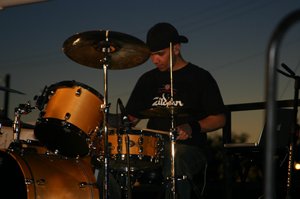
Turning your passion for drumming into a professional career isn’t just about raw talent—it’s a carefully crafted journey filled with dedication, strategy, and growth. Whether you dream of headlining world tours or becoming the backbone of a tight local band, mastering the path to professional drumming opens up endless opportunities.
- Set yourself apart from the crowd with real-world experience and proven practice habits.
- Transform your love of rhythm into a rewarding, creative career with diverse income streams.
- Gain the confidence to gig, record, and network with fellow musicians at the highest level.
If you’re ready to take your skills beyond the practice pad and into the professional realm, read on for the essential steps, gear recommendations, and hard-earned advice you need to become a successful pro drummer. For those just starting, don’t miss How to Play Drums for Beginners: Learn Easy Drum Basics for a solid foundation.
Table of Contents
- Start With Solid Fundamentals
- Develop Your Musical Vocabulary
- Build Your Kit and Tools
- Practice Like a Pro
- Gig, Record, and Build Your Network
- Turn Pro: What It Really Takes
- Conclusion
- FAQs
Suggested Products to help you #win at drumming:
-
Roland V-Drums TD-02KV Electronic Drum Set
– Perfect for quiet practice and realistic feel, this electronic kit helps you develop pro-level technique at home. -
Evans Realfeel 2-Sided Practice Pad
– Develop hand technique and control anywhere with a versatile, portable practice pad every drummer should own. -
Zildjian Planet Z Complete Cymbal Pack
– Elevate your sound and stage presence with this quality cymbal set designed for aspiring and gigging drummers alike. -
Vic Firth American Classic 5A Drum Sticks
– Reliable, comfortable sticks trusted by professionals worldwide for practice, recording, and live performance.
Start With Solid Fundamentals
Every professional drummer’s journey begins with mastering the fundamentals. Your grip, posture, and basic rudiments form the foundation for every technical leap and creative groove you’ll play. Even the most seasoned touring musicians consistently return to the basics in their daily routines.
Why Pro Drummers Obsess Over Basics
The most impressive solos and grooves are built on solid technique. Inconsistent grip or poor hand position can create bad habits that limit your potential. Take the time to:
- Develop proper matched and traditional grip styles
- Work on stick control with single, double, and paradiddle rudiments
- Establish a relaxed, ergonomic posture behind the kit
Consistently practicing fundamentals on tools like the Evans Realfeel 2-Sided Practice Pad makes all the difference during long sessions or gigs, strengthening your muscle memory and stamina. For those new to the basics, check out 10 Powerful Drum Warm Ups to Boost Speed and Control to sharpen your skills further.
Develop Your Musical Vocabulary
Professional drummers are more than timekeepers—they’re musical storytellers. To become truly versatile, you must expand your vocabulary beyond a single style or genre.
Styles Every Modern Drummer Needs
Exploring different drum grooves and feels sets you up for a wider range of gigs and recording opportunities. Here’s a table outlining styles that will boost your versatility:
| Style | Why It’s Essential |
|---|---|
| Rock/Pop | Foundation of modern music, covers many gigs |
| Jazz/Swing | Develops finesse, improvisation, and independence |
| Funk/R&B | Sharpens groove, timing, and pocket |
| Latin/Afro-Cuban | Expands rhythmic creativity and coordination |
| Metal/Punk | Builds speed, endurance, and aggression |
Tackle new genres by learning their signature grooves, fills, and hi-hat patterns. Record yourself to track progress and identify areas to develop your sound. You might also find Master Rock Drumming Techniques: Pro Tips for Killer Grooves helpful for perfecting your rock and pop chops.
Build Your Kit and Tools
Your drum set is your voice—invest wisely in gear that matches your goals and playing style. While you don’t need the most expensive equipment to start, having reliable, expressive tools lets your skills shine in professional settings.
Gear Essentials for Aspiring Pros
Start with a solid, versatile kit and gradually upgrade as your experience grows. A quality set like the Roland V-Drums TD-02KV Electronic Drum Set is an excellent option for practice, gigs, and even remote recording. Don’t overlook your cymbals: sets such as the Zildjian Planet Z Complete Cymbal Pack deliver crisp, dependable sound that makes a difference live and on recordings.
Always have your preferred sticks—many pros trust Vic Firth American Classic 5A Drum Sticks for their balance and durability.
Tips on Maintenance and Sound
- Keep drumheads, hardware, and pedals clean and tuned
- Replace worn sticks and heads to avoid accidental breakage during performances
- Experiment with different tunings to match musical styles and venue acoustics
Protecting and maintaining your investment shows professionalism and avoids issues that could cost you important gigs. To dive deeper into optimizing your drum sound, read Ultimate Drum Mic Setup Guide: Best Mics for Pro Sound.
Practice Like a Pro
Practice is where amateurs become professionals. The key is to practice with intention—not just playing along to songs, but focusing on weaknesses, creativity, and adaptability.
- Set clear goals (tempo, technique, repertoire) for each session
- Use a metronome to challenge your timing and internal clock
- Work on musicality by improvising fills and grooves with different dynamics
- Make time for ear training—memorize song structures and learn to hear subtle tempo changes
Even if you have limited access to your full kit, consistent work with practice pads or electronic sets like the Roland V-Drums TD-02KV keeps your chops sharp and quiet for neighbors or roommates.
Overcoming Common Practice Challenges
It’s easy to hit plateaus. Switch up your routine by experimenting with new genres, studying advanced drum videos, or playing along to tracks outside your comfort zone. Remember—successful professionals embrace both discipline and curiosity.
Gig, Record, and Build Your Network
No matter your skill, becoming a working drummer means getting out of the practice room and into real musical collaborations. Building a reputation starts with saying “yes” to a wide variety of opportunities. If you’re unsure how to land your first gigs, see How to Get Drumming Gigs Fast: Pro Tips for More Shows for actionable advice.
- Play as much as possible—local bands, open mics, church gigs, school ensembles
- Seek out recording projects to build a portfolio for future clients or bands
- Share your progress online to attract connections and future work
The right gear supports your confidence at every level. Trusted sticks like the Vic Firth American Classic 5A and reliable cymbals such as the Zildjian Planet Z Complete Cymbal Pack make you look and sound professional from your first audition to national tours.
Networking and Building Your Brand
Success in drumming isn’t solely about playing ability—it’s about relationships. Show up early, be prepared, and always deliver a positive attitude. Follow up with other musicians, share content regularly, and attend events or workshops to meet peers. Word-of-mouth and visibility are your most powerful tools.
Turn Pro: What It Really Takes
Turning pro is equal parts skill, mindset, and momentum. Lifestyle habits, business savvy, and resilience in the face of setbacks are what set the lifelong pros apart from hobbyists.
- Diversify your income: gigging, teaching, producing, or remote recording
- Stay organized with calendars, practice journals, and gear checklists
- Invest in continuing education—private lessons, masterclasses, or online courses
Most importantly, remember why you started. The daily grind is worth it for those moments where everything clicks—on stage, in the studio, or just grooving with friends.
Conclusion
Becoming a professional drummer is a marathon, not a sprint. The path is full of inspiring breakthroughs, tough lessons, and unforgettable moments behind the kit. Focus on fundamentals, keep expanding your style, choose the right gear for your goals, and never stop connecting with the drumming community.
Try breaking out your practice pad tonight and working through rudiments with new intent, or research tools and cymbals that can take your sound to the next level. Explore the suggested products, keep pushing your comfort zone, and look for new ways to learn—subscribe for more expert drumming tips or connect with fellow drummers on your journey. The world needs what you have to play—step confidently into the beat of your future!
FAQs
What’s the fastest way to improve hand speed and control for drumming?
Using a practice pad daily and focusing on rudiments like singles, doubles, and paradiddles is the most reliable path to faster, cleaner playing. Spend a few minutes with a metronome at both slow and fast tempos, and gradually increase speed as your control improves. Practicing consistently each day is the real “secret” behind pro-level chops. For more exercises, see Top Drumming Speed Drills to Boost Speed and Precision Fast.
What equipment should a beginner drummer invest in first?
A sturdy, responsive practice pad and a pair of quality drum sticks are the most essential starter items for any new drummer. As you progress, consider upgrading to a beginner kit or an electronic set like the Roland V-Drums TD-02KV to practice quietly and effectively at home.
How important is learning multiple drumming styles for a professional career?
Having a broad musical vocabulary—including rock, jazz, funk, and Latin styles—significantly increases your employability as a professional drummer. Each style builds unique skills and prepares you for a wider range of gigs, recordings, and musical collaborations.
How can I break through a “plateau” in my drumming practice?
Try varying your practice routine, explore new genres, or record yourself to identify weaknesses and track progress. Sometimes, taking a lesson with a seasoned teacher or joining a new band can reignite your enthusiasm and provide fresh ideas.
What are the pros and cons of electronic drum sets for aspiring professionals?
Electronic kits like the Roland V-Drums TD-02KV are invaluable for quiet practice, varied sounds, and portability. However, it’s important to also spend time on acoustic drums to develop touch and articulation for live gigs. Many professionals use both for different scenarios.
How do pro drummers keep their gear performance-ready?
Regular maintenance is key: keep hardware tight, heads tuned, and cymbals clean. Replace worn sticks and drumheads when needed so you’re never caught off guard before a performance or recording session.
What’s the best way to start networking in the drumming and music industry?
Show up and perform wherever possible—open mics, local gigs, and online forums all build your reputation. Connect personally with fellow musicians, be reliable, and use social media to share your playing and meet collaborators. Over time, your network will open new doors for professional opportunities.