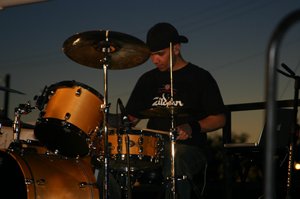
Reggae drumming is more than just a beat—it’s a pulse that drives the entire genre. If you’re new to reggae or just starting your drumming journey, learning these iconic rhythms can open up a whole new world of groove and musical expression. You might also enjoy exploring the Master Reggae Drumming Techniques: Essential Groove Tips guide for even deeper insights.
- Learn how to play signature reggae grooves like the one drop and the steppers rhythm.
- Boost your timing, coordination, and groove feel as a drummer.
- Develop the confidence to jam with others and play authentic reggae beats.
In this guide, we’ll break down foundational reggae drumming patterns, explain the techniques behind them, and give you practice tips for locking into that laid-back island pocket. Let’s get into the groove!
- What Is Reggae Drumming?
- The One Drop Groove
- The Rockers Pattern
- The Steppers Groove
- Practice Tips for Reggae Drumming
- Essential Reggae Drumming Techniques
- Reggae Drumming in Action
- Conclusion
- FAQs
Suggested Products to help you #win at drumming:
-
Alesis Nitro MAX Electronic Drum Set
– A great all-in-one practice kit for beginners diving into reggae and other rhythmic styles. -
Vic Firth American Classic 5A Drum Sticks
– A reliable pair of sticks every beginner should have in their stick bag. -
Evans RealFeel Practice Pad
– An ideal way to practice quiet stick control and reggae grooves at home. -
Donner Percussion Practice Pad Drum Set
– A compact and beginner-friendly setup for developing coordination and rhythm.
What Is Reggae Drumming?
Reggae drumming is the rhythmic backbone of reggae music, marked by its laid-back feel, off-beat grooves, and emphasis on space. Unlike rock or funk, where drummers often drive the beat, reggae is about pulling back and letting the groove breathe.
Developed in Jamaica during the 1960s, reggae rhythms evolved from earlier styles like ska and rocksteady. Reggae drumming typically emphasizes the third beat of the measure and integrates syncopation, ghost notes, and rimshots to create a laid-back but energetically rich feel. For better coordination and timing, you can also explore these Master Drum Timing Skills: Boost Speed, Precision & Control.
The One Drop Groove
The “one drop” is the heartbeat of reggae music. It’s named because it literally “drops” the kick drum on beat 3 instead of 1—creating space and swing.
Basic One Drop Pattern
Start by playing hi-hats on all quarter notes. Then, play a rimshot (or snare) and a bass drum together only on beat 3. You’ll get this:
| Beat | 1 | 2 | 3 | 4 |
|---|---|---|---|---|
| Hi-Hat | ✱ | ✱ | ✱ | ✱ |
| Snare | Rim/✱ | |||
| Kick | ✱ |
Practice it slowly at first, using a metronome set to 60–70 BPM. Keep your hands and feet relaxed, and really listen to the space between beats. A tool like the Alesis Nitro MAX Electronic Drum Set can help you practice this silently with headphones.
The Rockers Pattern
This is the straight-four version of reggae, popularized by drummers like Sly Dunbar. It’s more driving and pronounced than the one drop.
How to Play the Rockers Groove
Play the kick on all quarter notes (1, 2, 3, 4), snare on beats 2 and 4, and keep steady 8th notes on the hi-hat. It feels similar to a standard pop-rock beat, but your feel must remain relaxed and behind the beat.
The strength of this pattern lies in consistency—a practice pad like the Evans RealFeel Practice Pad is ideal for developing the wrist control needed here. You can also benefit from these 10 Powerful Drum Warm Ups to Boost Speed and Control before diving in.
The Steppers Groove
The “steppers” groove adds even more drive. This one features eighth-note kicks across the bar, great for roots reggae or dub styles.
Building the Steppers Groove
Play the bass drum on every 8th note, snare on 2 and 4, and 8th or 16th notes on the hi-hat. It’s an endurance-heavy pattern, so start slow and build stamina. Ghost notes on the snare can add subtle dynamics, too.
To build coordination for this, try using a system like the Donner Percussion Practice Pad Drum Set to isolate limbs and clean up your timing during practice.
Practice Tips for Reggae Drumming
Here’s how to speed up your learning curve with reggae grooves:
- Use a metronome: Stay steady and develop internal timing awareness.
- Loop your patterns: Play each groove for extended rounds (3–5 minutes) without stopping.
- Record yourself: Listen critically for tightness and consistency. You can level up quickly by following a solid Best Drum Practice Routine for Faster Skills & Timing Mastery.
- Play to reggae tracks: Jam with artists like Bob Marley, Steel Pulse, or Toots & The Maytals to get the feel.
Start each practice with 5–10 minutes on your pad setups (like the Vic Firth American Classic 5A Drum Sticks) to warm up your hands before moving to full kit grooves.
Essential Reggae Drumming Techniques
To sound authentic, incorporate these reggae-specific techniques into your playing:
- Cross-stick rimshots on the snare instead of full hits for a dry, woody sound.
- Ghost notes to add texture between snare accents.
- Hi-hat openness on the “ands” between beats for a dubby feel.
- Playing behind the beat to maintain that laid-back feel.
Practice each of these in isolation, then add them into your grooves gradually.
Reggae Drumming in Action
Once you’re comfortable, try improvising with the three core grooves: one drop, rockers, and steppers. Create transitions, add fills, and experiment with hi-hat textures.
Don’t worry about speed—reggae is all about relaxation and groove. Channel your inner groove-meister and let the rhythm breathe. Over time, as you build confidence, you’ll develop your own feel and flavor.
Conclusion
Reggae drumming invites you into a beautiful mix of groove, space, and storytelling through rhythm. Start with the one drop, build your way through rockers and steppers, and always keep practicing with focused intention.
Get your hands on tools like the Alesis Nitro MAX Electronic Drum Set or the Evans RealFeel Practice Pad to enhance your daily practice. With the right gear and mindset, you’re well on your way to mastering reggae rhythms.
Now grab those sticks, hit your practice pad, and start feeling that island groove!
FAQs
What tempo is most reggae drumming played at?
Most reggae songs sit around 66 to 76 BPM, allowing space for groove and laid-back feel. As a beginner, starting at slower tempos helps you focus on accuracy and feel.
How do I add ghost notes to my reggae beats?
Ghost notes are played softly between primary snare hits, often on the “e” and “a” of each beat. They add subtle color and groove but must be played with control—use a pad practice routine to develop this touch.
Are electronic drums good for learning reggae?
Yes, electronic drums like the Alesis Nitro MAX can be great for beginners. They allow for quiet practice, built-in metronomes, and song playback, which are all helpful for learning reggae rhythms.
What’s the difference between one drop and rockers?
The one drop places the kick/snare on beat 3 and is light and open. Rockers put emphasis on 2 and 4 with kicks on all beats, making it more driving. Both serve different feels within reggae.
Can I learn reggae drumming without a full drum kit?
Absolutely. You can use a practice pad set or even a single practice pad to build hand coordination, timing, and rhythm. Once patterns are internalized, translating them to a full kit will feel natural.
What are good reggae songs to practice with?
Start with “One Love” by Bob Marley for one drop, “Guess Who’s Coming to Dinner” by Black Uhuru for rockers, and “Steppin’ Out” by Steel Pulse for the steppers groove. Play along and mimic the feel.
How do I develop “feel” in reggae drumming?
Feel comes from repetition and listening. Record yourself playing against real reggae tracks and critique your groove. Focus on subtle elements like hi-hat dynamics, note spacing, and snare placement.