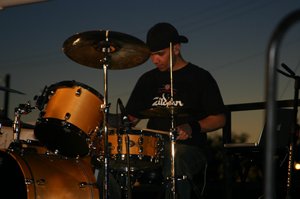
Reggae drumming grooves are instantly recognizable—they’re laid-back, hypnotic, and make you want to move. If you’re searching for infectious rhythms that transform your drumming, mastering the basics of reggae drumming patterns is your key to unlocking new grooves and unlocking your creative potential. To get an even better grounding, explore How to Play Drums for Beginners: Learn Easy Drum Basics for foundational skills that translate perfectly into reggae drumming.
- Build essential limb independence and timing control for all styles.
- Understand classic “one drop,” steppers, and rockers reggae grooves from the roots up.
- Develop a sense of feel, restraint, and groove that will set you apart in any band.
Whether you want to expand your rhythmic vocabulary or need a solid foundation for reggae projects, this guide will show you how to break down, practice, and master the basics of reggae drumming patterns with expert tips and actionable exercises. If you struggle with subtle details, check out Ghost Notes Drumming Explained: Master Subtle Groove Skills to help develop the finesse used in reggae ghost note technique.
- What is Reggae Drumming?
- Essential Reggae Drumming Patterns
- Left Hand Technique and Ghost Notes
- Setting Up Your Kit for Reggae
- Practice Tips for Reggae Drummers
- Conclusion
- FAQs
Suggested Products to help you #win at drumming:
-
Ludwig Pocket Kit Black Sparkle
– An ideal starter drum kit that offers reliable sound quality for learning reggae patterns at home or in rehearsals. -
Hoeanok Cymbal Set 14”18”
– These cymbals are a smart choice for drummers experimenting with new reggae grooves and dynamic hi-hat work. -
Evans G2 Coated Drum Head Pack
– Upgrading your drum heads provides a versatile tone perfect for the warm, punchy sound found in reggae music. -
Ludwig Black Beauty Snare Drum
– The classic snare drum sound for capturing crisp rimshots and articulate ghost notes essential in reggae.
What is Reggae Drumming?
Reggae drumming is all about groove, patience, and space. Born in Jamaica and driven by innovators like Carlton Barrett and Sly Dunbar, reggae rhythms stand out for their infectious pulse and unique feel. The drumming places heavy emphasis on beats that other genres overlook, creating laid-back but powerful grooves that let the music breathe.
Unlike rock or funk, where the backbeat dominates, reggae often pushes the kick and snare to off-beats, relying on syncopation and subtlety. Mastering reggae requires a deep sense of timing and restraint, focusing on groove rather than fills or flashy licks. For more help developing groove and timing, check out Master Drum Timing Skills: Boost Speed, Precision & Control.
Essential Reggae Drumming Patterns
Three core patterns form the backbone of most reggae music: the “One Drop,” “Steppers,” and “Rockers.” Let’s break down each pattern and see how they function:
| Pattern | Kick (Bass Drum) | Snare/+Rim | Hi-Hat | Feel/Application |
|---|---|---|---|---|
| One Drop | Beat 3 | With kick on 3 | Steady eighths | Classic reggae groove—laid-back, signature sound |
| Steppers | All 4 beats | On 3 | Muted or open | Driving and hypnotic—great for dancehall or uptempo |
| Rockers | All 4 beats | On 2 & 4 | Syncopated accents | Bridges reggae with pop/rock—groovy foundation |
How To Play the One Drop Groove
The “One Drop” is reggae’s most iconic groove. Instead of the kick on 1, both bass drum and snare/rim land together on beat 3. Hi-hat keeps steady, slightly closed eighth notes, often with some subtle “skip” swing:
- Count: 1 (rest), 2 (rest), 3 (kick+snare), 4 (rest)
- Hi-hat on all eighths: “one-and, two-and, three-and, four-and”
- Use rim clicks instead of snare for maximum authenticity
Keep it relaxed. Practice at slower tempos (around 68-80 BPM) to develop pocket and control. Recording yourself can help diagnose rushed or lagging notes.
Steppers and Rockers Patterns Explained
“Steppers” places the bass drum on all four beats—similar to four-on-the-floor—while the snare often hits on 3. This is the groove driving many roots and dancehall reggae classics. Start with steady kicks, then introduce hi-hat accents on the “and” counts.
“Rockers” pattern is more flowing; both kick and hi-hat hit all quarter notes, and the snare varies between beats 2 and 4. Syncopation and ghost notes give it flexibility. This pattern bridges reggae and pop, showing up in crossover hits.
Try each pattern for several minutes, focusing first on accuracy, then on the “feel.” Every pattern comes alive with subtle dynamic control and confident timing. For cross-genre drumming ideas, see Master Rock Drumming Techniques: Pro Tips for Killer Grooves.
Left Hand Technique and Ghost Notes
Reggae’s secret sauce often lies in the “ghost notes” and inventive rim-clicks on the snare. Ghost notes—those ultra-quiet taps between main hits—add depth and groove without overpowering the pattern.
Focus on:
- Staying relaxed: Don’t tense your grip; let the stick rebound off the head for subtlety.
- Practicing snare rim clicks for the signature reggae backbeat, especially with a quality snare drum like the Ludwig Black Beauty Snare Drum to get articulate sound.
- Alternating strong and soft hits to enrich your groove: Practice simple alternating strokes with your left hand while keeping your right on the hi-hat.
Try recording 1-minute loops of your ghost note playing. Listening back will reveal your consistency and dynamics more reliably than playing alone.
Setting Up Your Kit for Reggae
A typical reggae kit setup uses smaller kick drums (18”–20”), resonant toms, a responsive snare, and crisp hats and ride cymbals. You don’t need loads of cymbals, but your hi-hat and ride need to cut without overpowering the groove. For practice setups, the Ludwig Pocket Kit Black Sparkle provides an easy entry point for reggae drummers—simple, mobile, and reliable.
The right drum heads can also help: swap stock heads with an Evans G2 Coated Drum Head Pack for a warmer, deeper sound that fits reggae’s character. Try muting your snare with gels or using a wallet on top to control ring, a common trick among working reggae drummers.
Don’t forget cymbal choices: a responsive set like the Hoeanok Cymbal Set 14”18” gives you enough spread without harsh overtones, perfect for nuanced reggae hi-hat and ride work.
Practice Tips for Reggae Drummers
From decades of teaching reggae students, here are some proven strategies that will fast-track your progress:
- Slow down first: Use a metronome at 60-68 BPM. Reggae is all about being “behind the beat” and deeply grooving.
- Loop the “one drop” for 10 minutes, recording yourself for honest feedback on your time-feel.
- Isolate hands and feet: practice the hi-hat pattern solo, then layer in bass and snare after your hands are locked in.
- Play along with classic reggae tracks (Bob Marley’s “Is This Love,” Black Uhuru’s “Guess Who’s Coming to Dinner”) to internalize real-world phrasing and groove.
- Work dynamics religiously. Reggae is quiet—practice ghost notes and rim clicks under conversation level for subtlety.
Every reggae master started with disciplined practice, so embrace the process and celebrate small improvements along the way. For daily practice structure, see Daily Drum Workout: Boost Speed & Control with Pro Drills.
Conclusion
Learning the basics of reggae drumming patterns opens doors to new grooves, studio opportunities, and band gigs. The “one drop,” “steppers,” and “rockers” grooves are timeless, and with focused practice, you’ll groove with authority, whether on a Ludwig Pocket Kit Black Sparkle or any kit you own. Try a technique from this guide today, explore the suggested products when upgrading your gear, and stay hungry for more learning. For more tips or lessons, consider subscribing or exploring our growing library of drumming resources. Keep grooving!
FAQs
What are the main differences between reggae and rock drum beats?
Reggae drum patterns emphasize off-beats and space, often with key accents on the 3rd beat (“one drop”) and heavy use of rim clicks instead of snare backbeats. Rock drumming traditionally emphasizes strong backbeats on 2 and 4, creating a more forward-driving pulse. Reggae requires a lighter touch and careful attention to groove and feel—a unique challenge for many rock drummers switching styles.
How important is hi-hat technique in reggae drumming?
Hi-hat technique is essential for playing authentic reggae rhythms. The hi-hat keeps time with steady eighths, and subtle changes in dynamic and articulation add character to grooves such as “one drop” and “steppers.” Practicing with a quality cymbal set improves your ability to shape the sound and keep grooves tight.
Can I play reggae effectively on a standard drum kit?
Yes, you can play convincing reggae on any kit, though tweaking your drum heads and muting techniques will help you achieve warmer, deeper tones associated with the genre. Smaller kick drums, coated heads, and sensitive snare drums enhance your reggae sound, but groove and technique always matter more than gear.
What practice routines help develop reggae groove?
Consistent metronome work at slow tempos, looping core patterns, and recording yourself are fundamental routines. Focus on playing simple “one drop” and “steppers” beats for extended periods, working on relaxation and ghost note control to deepen your groove. Play along to classic recordings for authentic phrasing.
Should I invest in specific gear for reggae drumming?
While reggae can be played on any kit, investing in items like coated drum heads or responsive snare drums makes it easier to shape the genre’s sound. Gear like the Ludwig Black Beauty Snare Drum or signature hi-hat cymbals will enhance your versatility and performance quality.
Why are ghost notes crucial in reggae drumming?
Ghost notes create subtle rhythmic textures and give reggae its signature depth without cluttering the mix. Practicing your left-hand dynamics and focusing on tasteful ghost notes can elevate your groove from basic to professional, ensuring each pattern is full of life and movement.
How can I improve my reggae rim-click technique?
Practice rim-clicks slowly, paying attention to stick position and grip for consistent tone. Record your rim clicks with a metronome, and experiment with different snare drums—like the Ludwig Black Beauty—for optimum clarity. Over time, your control and articulation will become natural, fueling your reggae playing.